What are the ethical considerations of using healthcare service robots? Healthcare Service Robots
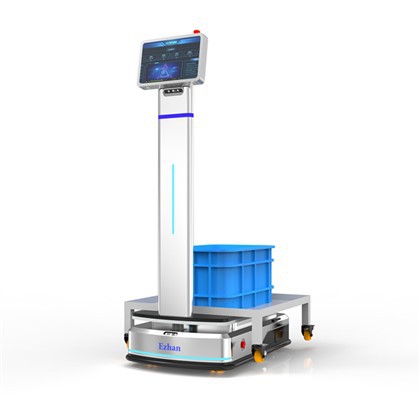
Hey there! I’m a supplier of healthcare service robots, and I’ve been thinking a lot lately about the ethical side of these nifty machines. You know, healthcare service robots are becoming more and more common these days. They can do all sorts of things, from helping with patient care to cleaning hospital rooms. But with all this new technology comes a bunch of ethical questions that we really need to think about.
First off, let’s talk about patient privacy. When robots are involved in patient care, they might collect a ton of personal information. This could include things like medical history, symptoms, and even how a patient’s day-to-day life is going. As a supplier, we’ve got to make sure that all this data is kept super secure. I mean, patients share this info with the hope that it’ll stay private, and it’s our responsibility to make sure it does. We need to use top – notch encryption and access controls to keep hackers out and make sure only the right people can see the sensitive stuff.
Another biggie is the issue of patient autonomy. Healthcare is all about the patient having a say in their own treatment. But when robots are in the mix, it can get a bit tricky. For example, some robots are designed to give reminders for taking medicine or following a treatment plan. While this is helpful, we don’t want the robot to be so pushy that it takes away the patient’s right to make their own decisions. I’ve seen cases where patients felt pressured by automated reminders, like they had no choice but to follow what the robot said. We’ve got to program our robots to respect patient autonomy, to give info and suggestions but still let the patient call the shots.
Now, let’s touch on how robots could affect the relationship between healthcare providers and patients. In a way, robots can be great helpers. They can take care of some of the more repetitive tasks, like taking vital signs, so that doctors and nurses have more time to focus on building relationships with their patients. But there’s also a risk that patients might start to feel like they’re being treated by machines instead of real people. Healthcare is an emotional field, and patients often need that human touch. As a supplier, we’re working on making our robots more human – like in their interactions, so they can support the human – patient relationship rather than replace it.
Job displacement is another concern. As robots become more capable of doing tasks that were once done by humans, there’s a fear that a lot of healthcare workers might lose their jobs. But here’s the thing – I see robots as partners, not replacements. For example, our robots can assist with heavy lifting in a hospital, which means fewer chances of injury for the human staff. And by taking over the more mundane tasks, robots allow healthcare workers to use their skills in more value – added areas, like providing emotional support to patients. We need to communicate this clearly to the healthcare community so that they see the potential benefits of using robots instead of just worrying about losing their jobs.
There’s also the question of bias in robot algorithms. Just like any technology, the algorithms that power healthcare robots can be biased. If the data used to train the robot has some kind of bias, say based on race, gender, or socioeconomic status, the robot might end up providing different levels of care to different patients. This is a huge ethical no – no. We’re constantly working to make sure our algorithms are fair and unbiased. We use diverse data sets to train our robots, and we’ve also put in place regular audits to check for any signs of bias.
And what about liability? When something goes wrong with a robot’s performance in a healthcare setting, who’s to blame? Is it the manufacturer (that’s us), the healthcare provider who uses the robot, or the software programmer? This is a super complex issue. We’re doing our best to make our robots as reliable as possible, but in case of an incident, we need to have clear guidelines on who takes responsibility. This ensures that patients can get the compensation they deserve if something goes wrong, and it also gives healthcare providers the confidence to use our robots.
Another consideration is the end – of – life disposal of these robots. Since our robots often contain electronic components and sometimes even hazardous materials, we need to make sure they’re disposed of in an environmentally friendly way. This is not only good for the planet but also an ethical obligation. We’ve set up a system to help healthcare facilities properly recycle or dispose of our robots when they’re no longer in use.
Now, I know all these ethical considerations might seem like a lot, but they’re actually a good thing. They show that we’re taking our role seriously as suppliers of healthcare service robots. At the end of the day, we’re all about improving patient care and making the healthcare system more efficient. If we can address these ethical issues, it’ll only make our robots more trusted and useful in the long run.

If you’re a healthcare provider and you’re interested in learning more about our healthcare service robots, or if you want to discuss how we’re handling these ethical considerations, I’d love to hear from you. We’re always open to a good conversation and to exploring how our robots can fit into your healthcare facility. Let’s talk about how we can work together to bring the next level of care to your patients.
Software System References
- Moor, J.H. (2006). The nature, importance, and difficulty of machine ethics. IEEE Intelligent Systems, 21(4), 18 – 21.
- Floridi, L., & Sanders, J.W. (2004). On the Morality of Artificial Agents. Minds and Machines, 14(3), 349 – 379.
- Mittelstadt, B.D., & Floridi, L. (2016). The ethics of algorithms: Mapping the debate. Big Data & Society, 3(2), 2053951716679679.
Shenzhen Ezhan Technology Co., Ltd.
We’re known as one of the most reliable healthcare service robots manufacturers and suppliers in China. With abundant experience, we warmly welcome you to buy bulk customized healthcare service robots from our factory. If you have any enquiry about cooperation, please feel free to email us.
Address: Room 1808, 1809, 1810, Building 2, Aipark, Baolong 4th Road, Longgang District, Shenzhen City
E-mail: sales01@ezhankeji.com
WebSite: https://www.ezhanrobot.com/
