Are wool or cashmere socks more expensive than cotton socks? This is a question that often pops up among consumers when they’re shopping for socks. As a supplier of wool and cashmere socks, I’ve had my fair share of discussions on this topic. In this blog, I’ll delve into the various factors that contribute to the cost of these different types of socks and help you understand why wool or cashmere socks might be pricier than cotton ones. Wool Or Cashmere Socks
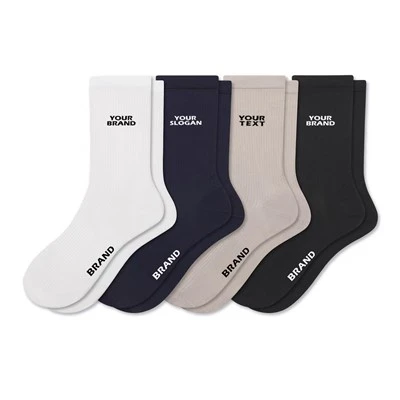
Let’s start by looking at the raw materials. Cotton is one of the most widely grown and produced natural fibers in the world. Its large – scale cultivation in many countries, such as the United States, China, and India, ensures a relatively stable and abundant supply. The farming techniques for cotton are well – established and can be carried out on a large scale with the help of modern machinery, which keeps the cost of raw cotton relatively low.
On the other hand, wool comes from sheep, and the quality and quantity of wool can vary greatly depending on the breed of the sheep, the region where they are raised, and the season when the wool is shorn. Some high – quality wools, like merino wool, come from merino sheep. These sheep require specific environmental conditions and careful breeding to produce fine – quality wool. The shearing process is also labor – intensive, as each sheep has to be handled individually. Moreover, after shearing, the wool needs to go through a series of processing steps, including cleaning to remove dirt, grease, and debris, carding to align the fibers, and spinning to turn the fibers into yarn. All these additional steps increase the cost of wool production.
Cashmere takes the expense to another level. Cashmere is derived from the fine undercoat of cashmere goats. Only a small amount of cashmere can be harvested from each goat, and the collection process is extremely delicate. Cashmere goats are usually combed rather than shorn, which is a time – consuming and labor – intensive process. The annual yield per goat is so limited that it takes the wool from several goats to make a single pair of cashmere socks. Additionally, cashmere goats are often raised in harsh and remote mountainous regions, which further adds to the cost of production and transportation.
Next, we’ll examine the manufacturing process. Cotton is relatively easy to work with. It can be spun into yarn quickly using high – speed spinning machines, and cotton sock production is highly automated. The knitting and finishing processes are also well – streamlined, allowing manufacturers to produce a large number of cotton socks in a short period. This high production efficiency significantly reduces the cost per unit.
In contrast, wool and cashmere require more specialized manufacturing techniques. The fibers are more delicate and prone to damage during processing. Specialized machinery and expertise are needed to spin and knit these fibers. For example, wool and cashmere yarns often need to be processed at lower speeds to prevent fiber breakage. The knitting process has to be carefully controlled to ensure the right texture and elasticity. After knitting, additional finishing treatments may be required, such as shrinking and softening, to enhance the comfort and durability of the socks. These extra steps increase the time and cost involved in manufacturing wool and cashmere socks.
Another aspect to consider is the performance and quality of the socks. Cotton socks are breathable, absorbent, and comfortable for everyday wear. They are suitable for a wide range of activities and weather conditions. However, they do have some limitations. Cotton socks can lose their shape quickly after washing, and they may not provide sufficient insulation in cold weather.
Wool socks, especially those made from high – quality wool, have several advantages. Wool is an excellent insulator, keeping your feet warm in cold weather and cool in warm weather. It can absorb moisture without feeling wet and has natural antibacterial properties, which helps to reduce foot odor. Wool socks are also more durable and can maintain their shape over time. The superior performance and quality of wool socks justify their higher price tag for many consumers who value functionality and longevity.
Cashmere socks are known for their unparalleled softness and luxury. The fine fibers of cashmere create a silky – smooth texture that is gentle on the skin. They also offer excellent warmth and are incredibly lightweight. Cashmere socks are often considered a premium product, suitable for special occasions or for those who want to indulge in a high – end experience. The luxurious feel and high – end performance of cashmere socks make them the most expensive option among the three.
Consumer demand also plays a role in determining the price. Cotton socks are a staple in many wardrobes. The high demand for affordable, everyday socks drives the mass production of cotton socks, which in turn reduces the cost. In contrast, wool and cashmere socks are often seen as a luxury or a specialized product. The target market for these socks is smaller, consisting mainly of consumers who are willing to pay more for the superior quality, performance, or luxury feel. The lower volume of sales means that the cost per unit has to be higher to cover the production and marketing expenses.
As a supplier of wool and cashmere socks, I understand that the higher price of these products may be a deterrent for some consumers. However, I firmly believe that the value they offer is well worth the investment. If you’re someone who spends a lot of time outdoors in cold weather, a pair of wool socks can keep your feet warm and dry, reducing the risk of cold – related injuries. And if you’re looking for a special gift or simply want to treat yourself to something luxurious, cashmere socks are the perfect choice.
If you’re interested in learning more about our range of wool and cashmere socks or are considering placing an order for your store or business, I invite you to reach out. We’re always happy to discuss our products, provide samples, and offer competitive pricing. Our team of experts can also help you understand the different qualities and styles of wool and cashmere socks to find the best fit for your needs.
In summary, wool and cashmere socks are generally more expensive than cotton socks due to the higher cost of raw materials, more complex manufacturing processes, superior performance, and their positioning as luxury or specialized products. However, the value they bring in terms of comfort, durability, and luxury experience is undeniable. Whether you’re a retailer looking for high – end products to stock or a consumer looking to upgrade your sock collection, I encourage you to explore the world of wool and cashmere socks.
Theme Gift Set References:
- "Textile Science" by Robert H. Laing, which provides in – depth knowledge about different natural fibers and their production processes.
- Industry reports on the global wool, cashmere, and cotton markets, which offer insights into supply, demand, and pricing trends.
Zhuji Fuchun Knitting Co., Ltd.
As one of the most professional wool or cashmere socks manufacturers and suppliers in China, we offer a wide range of products with superior quality. Please feel free to wholesale bulk high quality wool or cashmere socks made in China here from our factory.
Address: Building 6, No. 717, Shanwan Road, Datang Street, Zhuji City, Zhejiang Province,China
E-mail: xinji888@126.com
WebSite: https://www.fuchunsocks.com/
