Hey there! I’m a supplier of food delivery robots, and I often get asked about the learning curve for operating these nifty machines. So, I thought I’d share my insights and experiences on this topic. Food Delivery Robot
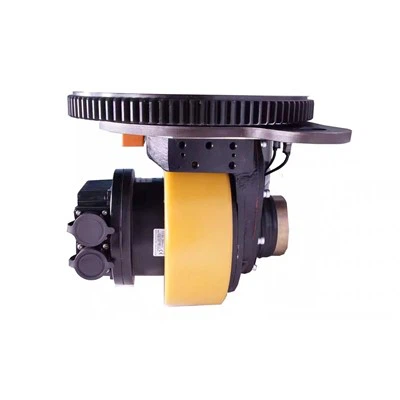
First off, let’s talk about what a learning curve is. In simple terms, it’s the amount of time and effort it takes for someone to learn a new skill or task. When it comes to operating a food delivery robot, the learning curve can vary depending on a few factors.
Factors Affecting the Learning Curve
1. Technical Knowledge
If you or your staff have a background in robotics, engineering, or technology, the learning curve will likely be shorter. Understanding concepts like programming, sensors, and navigation systems can give you a head start. For example, if you’re familiar with basic coding languages, you’ll find it easier to customize the robot’s routes or adjust its settings.
On the other hand, if you’re new to the world of robotics, it might take a bit more time to wrap your head around the technical aspects. But don’t worry! Most food delivery robots come with user – friendly interfaces and detailed manuals that make it easier for beginners.
2. Robot Complexity
The complexity of the food delivery robot itself plays a big role. Some robots are designed to be very simple, with just a few basic functions like moving forward, backward, and turning. These are great for small – scale operations or those on a budget. They usually have a relatively short learning curve, and you can get up and running in no time.
However, more advanced robots come with features like obstacle avoidance, real – time tracking, and integration with delivery apps. While these features offer a lot of benefits, they also require a bit more learning. You’ll need to understand how to set up the obstacle avoidance system, monitor the robot’s location, and troubleshoot any issues that may arise.
3. Training and Support
The quality of training and support provided by the robot supplier is crucial. A good supplier will offer comprehensive training programs, either in – person or online. They’ll teach you everything from how to turn on the robot to how to handle complex delivery scenarios.
For instance, our company offers a two – day training course where we cover all the basics. We start with the robot’s physical components, then move on to its software and how to use the control panel. We also provide hands – on experience, so you can practice operating the robot in a real – world setting.
In addition to training, ongoing support is essential. You should be able to reach out to the supplier’s technical team whenever you have a question or encounter a problem. Our team is available 24/7 to help with any issues, whether it’s a software glitch or a hardware problem.
The Stages of the Learning Curve
1. Introduction
When you first get your food delivery robot, the initial stage is all about getting familiar with it. You’ll learn about its physical appearance, the different buttons and controls, and how to power it on and off. This is usually a quick process, and you can get through it in a matter of minutes.
For example, you’ll notice that the robot has a storage compartment for the food, a display screen for showing information, and a set of wheels for movement. You’ll also learn how to open and close the storage compartment and how to check the battery level.
2. Basic Operation
Once you’re familiar with the robot’s physical features, it’s time to learn the basic operations. This includes moving the robot forward, backward, left, and right. You’ll also learn how to set a destination and start a delivery.
Most food delivery robots use a combination of GPS and mapping technology to navigate. You’ll need to learn how to input the delivery address into the robot’s system and how to monitor its progress. This stage may take a few hours of practice, but with a bit of patience, you’ll get the hang of it.
3. Advanced Features
After mastering the basic operations, you can start exploring the advanced features of the robot. This might include setting up custom delivery routes, integrating the robot with your existing delivery app, or using the obstacle avoidance system.
For example, if you want to set up a custom delivery route, you’ll need to understand how the robot’s mapping software works. You can use it to mark specific points on the map and tell the robot to follow a particular path. This stage can take a few days to a week to fully understand, depending on your technical skills.
4. Troubleshooting
Even the most reliable food delivery robots can encounter problems from time to time. That’s why it’s important to learn how to troubleshoot. This includes identifying common issues like a dead battery, a software error, or a problem with the sensors.
Our training program includes a section on troubleshooting. We teach you how to diagnose the problem and what steps to take to fix it. For example, if the robot is not moving, you can check the battery level, the wheels, and the software settings.
Real – World Experiences
I’ve seen many customers go through the learning curve of operating a food delivery robot. One of our customers, a small restaurant owner, was initially worried about using the robot. He had no prior experience with robotics, and he was afraid that it would be too complicated.
But after attending our training course, he was surprised at how easy it was to operate the robot. He started with the basic operations and gradually moved on to the advanced features. Within a few weeks, he was using the robot to make regular deliveries, and his customers loved it.
Another customer, a large food delivery service, had a team of drivers who were trained to operate the robots. They found that the learning curve was relatively short, especially since they had some experience with technology. They were able to quickly integrate the robots into their existing delivery system and increase their efficiency.
Tips to Shorten the Learning Curve
- Start Small: Don’t try to learn everything at once. Start with the basic operations and gradually move on to the advanced features.
- Practice Regularly: The more you practice, the better you’ll get. Set aside some time each day to operate the robot and try out different functions.
- Take Advantage of Training: Make sure you attend the training program provided by the supplier. It’s a great way to learn the ins and outs of the robot.
- Join a Community: There are many online communities where you can connect with other food delivery robot operators. You can share your experiences, ask questions, and learn from each other.
Conclusion

The learning curve for operating a food delivery robot can vary depending on your technical knowledge, the complexity of the robot, and the quality of training and support. But with a bit of patience and practice, anyone can learn how to operate these robots effectively.
Desktop Companion Robot If you’re interested in purchasing a food delivery robot for your business, I’d love to have a chat with you. We can discuss your specific needs, answer any questions you may have, and help you choose the right robot for your operation. Just reach out, and we’ll start the conversation.
References
- Robotics Today Magazine, various issues on food delivery robots
- Industry reports on the adoption of food delivery robots
Hangzhou Janz Intelligent Technology Co., Ltd.
As one of the most professional food delivery robot manufacturers and suppliers in China, we offer a wide range of products with superior quality. Please feel free to buy advanced food delivery robot at competitive price from our factory. Contact us for quotation.
Address: Room 240, 2nd Floor, 289-16, Creative Road, Yinhu Street, Fuyang District, Hangzhou City, Zhejiang Province
E-mail: amy@hzjanz.com
WebSite: https://www.simplexrobots.com/
