Can a Pipe Tee be used in a sewage pipeline?
As a supplier of pipe tees, I often encounter inquiries from customers regarding the suitability of our products for various applications, including sewage pipelines. This is a critical question, as the proper selection of piping components is essential for the efficient and reliable operation of sewage systems. In this blog post, I will delve into the technical aspects of using pipe tees in sewage pipelines, exploring the advantages, challenges, and key considerations. Pipe Tee

Advantages of Using Pipe Tees in Sewage Pipelines
Pipe tees offer several significant advantages when used in sewage pipelines. Firstly, they provide a convenient way to split or combine the flow of sewage within the system. In large – scale sewage networks, it is often necessary to divert the flow to different treatment facilities or to combine flows from multiple sources. A pipe tee allows for seamless integration of these flow paths, ensuring a smooth and efficient transfer of sewage.
Secondly, pipe tees can be used to connect different sections of the sewage pipeline at various angles. This flexibility is crucial in sewage systems, which often need to navigate around obstacles such as buildings, underground utilities, and natural terrain features. By using pipe tees, installers can easily adjust the direction of the pipeline without causing significant disruptions to the flow.
Another advantage is the ease of installation. Pipe tees are relatively simple to install compared to more complex piping components. They can be quickly connected to the existing pipeline using standard joining methods such as welding, threading, or using pipe fittings. This reduces the installation time and cost, which is a major consideration for large – scale sewage projects.
Challenges and Considerations
While there are many advantages to using pipe tees in sewage pipelines, there are also several challenges and factors that need to be carefully considered.
One of the main challenges is the potential for blockages. Sewage contains a variety of solid and semi – solid materials, such as toilet paper, food scraps, and debris. These materials can accumulate at the junction of the pipe tee, leading to blockages and reduced flow capacity. To mitigate this risk, it is essential to select pipe tees with a suitable design and size. Larger bore diameters can help prevent the accumulation of solids, and smooth interior surfaces can facilitate the flow of sewage.
Corrosion is another significant concern in sewage pipelines. Sewage is often acidic or alkaline, and it may also contain corrosive chemicals and microorganisms. Over time, these substances can corrode the pipe tee, leading to leaks and structural failures. To address this issue, pipe tees used in sewage pipelines should be made from corrosion – resistant materials. Common materials include stainless steel, PVC (polyvinyl chloride), and HDPE (high – density polyethylene).
Hydraulic performance is also a key consideration. The presence of a pipe tee in a sewage pipeline can cause changes in the flow velocity and pressure. These changes can lead to issues such as water hammer, which can damage the pipeline and its components. To ensure proper hydraulic performance, it is important to conduct detailed hydraulic calculations during the design phase. This can help determine the optimal size and configuration of the pipe tee to minimize the impact on the flow.
Material Selection for Sewage Pipe Tees
As mentioned earlier, material selection is crucial when it comes to using pipe tees in sewage pipelines. Here is a more in – depth look at some of the commonly used materials:
- Stainless Steel: Stainless steel pipe tees offer excellent corrosion resistance, high strength, and durability. They can withstand the harsh chemical environment of sewage and are suitable for both underground and above – ground applications. However, stainless steel can be relatively expensive compared to other materials, and it may require special welding techniques during installation.
- PVC: PVC pipe tees are lightweight, easy to install, and cost – effective. They have good chemical resistance and are resistant to biological growth. PVC is a popular choice for small – to medium – sized sewage systems, especially in residential and commercial applications. However, PVC has lower temperature and pressure ratings compared to some other materials, and it may become brittle over time with exposure to UV light.
- HDPE: HDPE pipe tees are known for their high flexibility, impact resistance, and chemical resistance. They are suitable for a wide range of sewage applications, including those with challenging soil conditions. HDPE is also environmentally friendly, as it can be recycled. However, HDPE pipe tees may require specialized joining methods, such as heat fusion.
Installation and Maintenance
Proper installation and maintenance are essential for ensuring the long – term performance of pipe tees in sewage pipelines.
During installation, it is important to follow the manufacturer’s guidelines and industry best practices. The pipe tee should be properly aligned and securely connected to the pipeline. Any gaps or misalignments can lead to leaks and reduced flow efficiency. Additionally, proper support and anchoring should be provided to prevent movement and damage to the pipe tee.
Regular maintenance is also crucial. This includes inspecting the pipe tee for signs of corrosion, blockages, and damage. Any issues should be addressed promptly to prevent further deterioration. Cleaning the pipeline and the pipe tee can help remove accumulated solids and prevent blockages.
Conclusion
In conclusion, pipe tees can be effectively used in sewage pipelines, provided that the appropriate design, material, and installation and maintenance practices are employed. The advantages of using pipe tees, such as flow splitting and direction change, make them a valuable component in sewage systems. However, challenges such as blockages and corrosion need to be carefully managed.
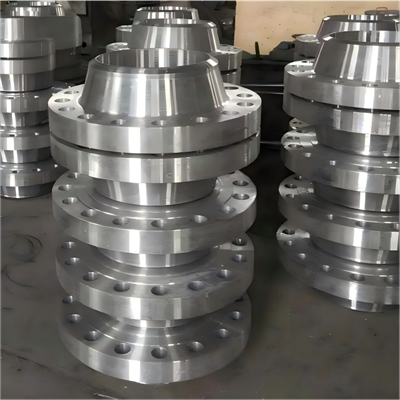
As a pipe tee supplier, I am committed to providing high – quality products and expert advice to our customers. We understand the unique requirements of sewage pipeline applications and can help you select the most suitable pipe tee for your project. Whether you are working on a small residential sewage system or a large – scale municipal wastewater treatment plant, our team is here to support you.
EN Flanges If you are interested in learning more about our pipe tees or have any questions regarding their use in sewage pipelines, please feel free to contact us to discuss your specific needs and requirements. We are looking forward to the opportunity to collaborate with you on your next project.
References
- "Sewer Pipeline Design and Construction", by John A. Day
- "Handbook of Chemical Resistance for Plastics", by William J. Eilerman
- "Pipe Fittings and Joining Methods: A Comprehensive Guide", by David R. Smith
Hebei Haihao Group Huadian High Pressure Pipe Fittings Co., Ltd.
As one of the most professional pipe tee manufacturers and suppliers in China, we are able to meet the needs of the majority of our customers. Please rest assured to wholesale high quality pipe tee made in China here from our factory. For price consultation, contact us.
Address: Donglin Industrial Zone, Mengcun County, Cangzhou City, Hebei Province, China
E-mail: haihaohuadian@outlook.com
WebSite: https://www.hhfittings.com/
