Hey there, fellow machining enthusiasts! I’m a supplier of Universal Chamfering Cutters, and I’ve seen firsthand how the right cutting parameters can make or break the performance of these tools. In this blog, I’ll share my insights on how cutting speed, feed rate, and depth of cut affect the performance of a Universal Chamfering Cutter. Universal Chamfering Cutter
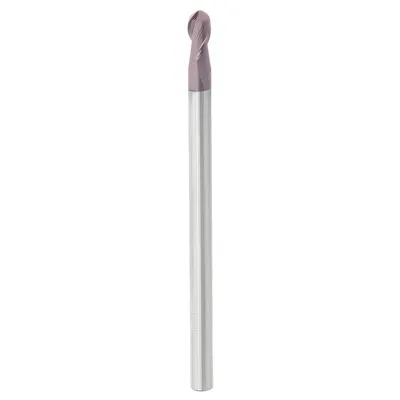
Let’s start with cutting speed. This is basically how fast the cutter rotates while it’s doing its job. If you set the cutting speed too low, the cutter might not cut through the material efficiently. It’ll take longer to get the job done, and you might end up with a rough finish on the chamfer. On the other hand, if you crank up the cutting speed too high, the cutter can overheat. This can cause premature wear and tear on the cutter, reducing its lifespan. And in some cases, it might even lead to the cutter breaking or chipping, which is a real headache.
For example, when working with a soft material like aluminum, you can usually get away with a higher cutting speed. Aluminum is easy to cut through, so the cutter won’t have to work as hard. But if you’re dealing with a tougher material like stainless steel, you’ll need to go a bit slower. The harder the material, the more heat and stress the cutter will encounter, so a lower cutting speed helps keep things in check.
Next up is the feed rate. This is how fast the cutter moves into the material as it’s cutting. A low feed rate means the cutter is taking small, gentle bites out of the material. This can be good for getting a really precise and smooth finish, especially when you’re working on a high – precision job. But it also means the job will take longer.
If you set the feed rate too high, the cutter might take on more material than it can handle. This can cause the cutter to stall, or it might leave uneven marks on the chamfer. You could also damage the cutter itself, as it has to work too hard to cut through the excess material. So, finding the right feed rate is crucial. It’s a balance between getting the job done quickly and maintaining the quality of the cut.
For instance, if you’re making a shallow chamfer on a thin sheet of material, you can use a relatively high feed rate. The cutter doesn’t have to go deep, so it can move through the material faster. But for a deep chamfer on a thick piece of metal, you’ll want to slow down the feed rate to ensure a clean and accurate cut.
Now, let’s talk about the depth of cut. This is how far the cutter penetrates into the material. A small depth of cut is great when you need a fine finish or when you’re working with a brittle material. It puts less stress on the cutter and the material, reducing the risk of cracking or chipping. However, if you’re trying to remove a large amount of material, making multiple passes with a small depth of cut can be time – consuming.
On the flip side, a large depth of cut allows you to remove more material in one go. This can speed up the machining process significantly. But it also requires more power from the machine and puts more stress on the cutter. If the cutter isn’t up to the task, it might break or wear out quickly. You also need to be careful that the large depth of cut doesn’t cause the material to vibrate too much, which can affect the quality of the chamfer.
Imagine you’re making a chamfer on a block of titanium. Titanium is a strong and tough material. If you try to take a really large depth of cut right off the bat, the cutter might struggle. Instead, it’s better to start with a smaller depth of cut and gradually increase it if needed. This way, you can manage the stress on the cutter and get a better – quality chamfer.
Another factor to consider is the coolant. Coolant plays a big role in the performance of a Universal Chamfering Cutter. When the cutter is cutting through the material, it generates a lot of heat. Coolant helps to reduce this heat, which in turn reduces the wear on the cutter and improves the surface finish of the chamfer.
There are different types of coolants available, such as water – based and oil – based. Water – based coolants are often more environmentally friendly and better at cooling. Oil – based coolants, on the other hand, are great for lubrication, which can reduce friction between the cutter and the material.
When the cutting speed, feed rate, and depth of cut are all set correctly, and the right coolant is being used, the Universal Chamfering Cutter can perform at its best. You’ll get a clean, precise, and smooth chamfer every time. The cutter will also last longer, which means less money spent on replacements.
But getting these parameters right isn’t always easy. It takes some trial and error, especially when you’re working with different materials. That’s where my experience as a Universal Chamfering Cutter supplier comes in handy. I can provide you with some general guidelines, but I also know that every job is unique.
I’ve worked with a wide range of customers, from small – scale hobbyists to large – scale manufacturing plants. Each one has different needs and challenges. Whether you’re making precision parts for aerospace applications or just doing some DIY projects at home, I can help you find the best cutting parameters for your Universal Chamfering Cutter.
If you’re looking to improve the performance of your Universal Chamfering Cutter or if you’re thinking about purchasing a new one, don’t hesitate to get in touch. I’m here to offer advice, answer your questions, and help you make the most of your machining processes. Let’s work together to get the best results and take your projects to the next level!
So, if you’re ready to take the plunge and optimize your Universal Chamfering Cutter’s performance, reach out and let’s start a conversation. I’m looking forward to hearing from you and helping you achieve your machining goals!
Round Nose End Mill References
- "Machining Handbook" by Industrial Press Inc.
- "Cutting Tool Engineering" magazine articles on chamfering cutters.
Small Craftsman (Shandong) Machine & Tools Co., Ltd.
Small Craftsman (Shandong) Machine & Tools Co., Ltd. is one of the most experienced universal chamfering cutter manufacturers and suppliers in China, also supports customized service with low price. Please feel free to buy bulk high quality universal chamfering cutter in stock here from our factory. Contact us for pricelist.
Address: No.9 Quanxin Rd., Sishui Economic Developing Zone, Jining, Shandong, China.
E-mail: 6196@ocutchina.com
WebSite: https://www.ocutooling.com/
