Hey there! I’m a supplier of Machinery Sheds, and I know firsthand how important it is to keep these structures in top – notch condition. Whether you’re a farmer with tractors, a contractor with heavy equipment, or just someone who has a collection of power tools, maintaining your machinery shed is crucial for the longevity of both the shed and your equipment. In this blog, I’ll share some tips on how to keep your machinery shed in great shape. Machinery Sheds
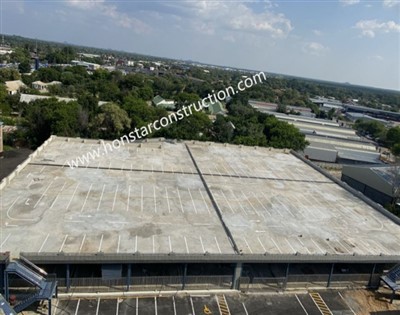
Regular Inspections
First off, regular inspections are a must – have. You can’t fix what you don’t know is broken, right? I’d recommend doing a quick once – over at least once a month. Take a walk around the outside of the shed, looking for any signs of damage to the walls, roof, or foundation.
Check for things like loose panels or shingles. If you notice any panels that are starting to come off, it’s important to fix them right away. Otherwise, water can seep in during the rainy season or snow can pile up in the gaps, causing more damage over time. Also, look for any cracks in the foundation. Even small cracks can lead to big problems if they’re not addressed.
On the inside, check for signs of leaks. Look for water stains on the walls or ceiling. If you find any, it means there’s a leak somewhere, and you need to track it down and fix it. Inspect the doors and windows too. Make sure they open and close smoothly and that the seals are intact. A broken seal can let in drafts, which can be a problem in the winter when you’re trying to keep the shed warm.
Cleaning
Cleaning your machinery shed is not just about making it look nice; it’s also about preventing damage. Dirt, dust, and debris can build up over time and cause problems. For example, if there’s a lot of dust on the electrical components in your shed, it can increase the risk of a short – circuit.
Start by sweeping the floor regularly. You can use a broom or a leaf blower if the shed is large. Get rid of any leaves, twigs, or other debris that might have blown in. If there are any spills on the floor, clean them up as soon as possible. Some spills, like oil or fuel, can damage the floor surface and create a fire hazard.
Wipe down the walls and equipment with a damp cloth. This will remove any dirt or grime that has accumulated. You can also use a mild detergent if the dirt is really stubborn. Just make sure to rinse it off thoroughly so that there’s no residue left behind.
Roof Maintenance
The roof of your machinery shed is one of the most important parts. It protects your equipment from the elements, so you need to take good care of it. As I mentioned earlier, check for loose shingles or panels during your regular inspections. If you find any, replace them right away.
Trim any tree branches that are hanging over the shed. Branches can scratch the roof or even break it during a storm. Also, make sure the gutters are clean. Clogged gutters can cause water to back up on the roof, leading to leaks and water damage. You can use a gutter scoop to remove any leaves or debris from the gutters.
If you live in an area with heavy snowfall, you might need to remove the snow from the roof. Too much snow can put a lot of weight on the roof and cause it to collapse. You can use a roof rake to safely remove the snow from the ground. Just be careful not to damage the roof while you’re doing it.
Foundation Care
The foundation is the base of your machinery shed, and it needs to be strong. As I said before, look for cracks in the foundation during your inspections. If you find small cracks, you can fill them with a concrete patching compound. But if the cracks are large or if there’s any sign of shifting, you might need to call in a professional.
Make sure the ground around the shed is properly graded. Water should drain away from the shed, not towards it. If there’s standing water around the foundation, it can cause the concrete to weaken over time. You might need to add some soil or gravel to create a slope away from the shed.
Pest Control
Pests can be a real nuisance in a machinery shed. Rats, mice, and insects can chew through wiring, damage equipment, and even spread diseases. To prevent pests from getting into your shed, seal any holes or cracks in the walls, doors, and windows. You can use caulk or weatherstripping to fill in the gaps.
Keep the shed clean and tidy. Don’t leave any food or debris lying around, as this can attract pests. You can also set up traps or use pest – control products if you have a pest problem. Just make sure to follow the instructions carefully and keep the products out of reach of children and pets.
Equipment Storage
How you store your equipment in the shed can also affect the shed’s maintenance. Make sure the equipment is properly organized and stored in a way that doesn’t put too much stress on the shed’s structure. For example, don’t stack heavy equipment too high or lean it against the walls.
Use storage racks or shelves to keep your equipment off the floor. This will not only make it easier to find what you need but also prevent damage to the floor and the equipment. If you have any equipment that needs to be covered, use a tarp or a cover to protect it from dust and moisture.
Weatherproofing
Depending on where you live, your machinery shed might be exposed to extreme weather conditions. In the summer, the heat can cause the shed to expand, and in the winter, the cold can make it contract. This can lead to cracks and leaks over time.
To weatherproof your shed, you can add insulation to the walls and ceiling. This will help regulate the temperature inside the shed and reduce the stress on the structure. You can also apply a waterproof coating to the roof and walls. This will prevent water from seeping in and causing damage.
Maintenance Records
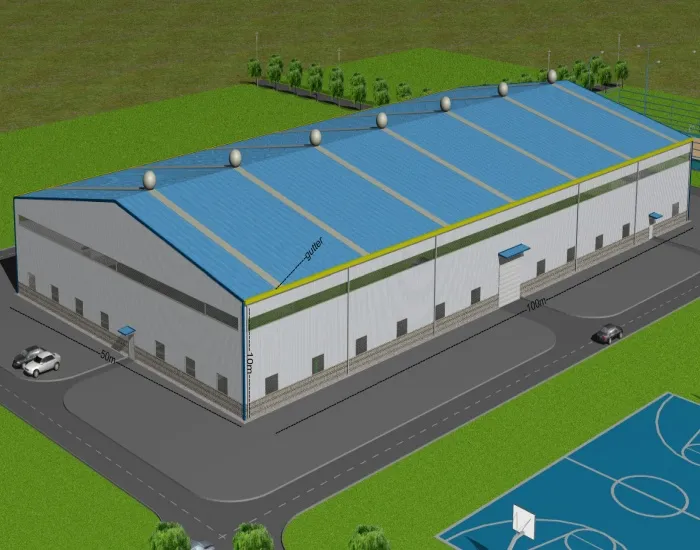
Finally, keep a maintenance record for your machinery shed. Write down when you did all the inspections, cleanings, repairs, and any other maintenance tasks. This will help you keep track of what needs to be done and when. It can also be useful if you ever need to sell the shed or if there’s a problem with your insurance.
Livestock Buildings So, there you have it – my tips on how to maintain a machinery shed. By following these steps, you can keep your shed in great condition for years to come. And if you’re in the market for a new machinery shed or need some advice on shed maintenance, don’t hesitate to reach out. I’m here to help you make the best decisions for your equipment storage needs. Good luck with keeping your shed in top shape!
References
- Home gardening and maintenance magazines
- Agricultural equipment maintenance guides
- Construction and building blogs focusing on sheds and similar structures
Shandong Honstar Construction Co., Ltd.
As one of the most experienced machinery sheds manufacturers in China, we have world-leading production equipment and strong manufacturing capabilities. Please feel free to buy cost-efficient machinery sheds for sale here from our factory. Contact us for more details.
Address: No.365,Xinhai street,Weifang,Shandong,China
E-mail: info@honstarconstruction.com
WebSite: https://www.steelbuildingchina.com/
