Hey there! I’m a supplier of steel structure bridges, and I’ve been knee – deep in the world of these amazing engineering marvels for quite a while now. One question that comes up a lot is how the connections in a steel structure bridge are made. Well, let me break it down for you. Steel Structure Bridge
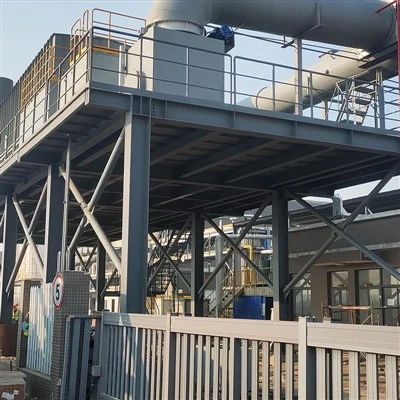
First off, it’s important to understand why proper connections matter. A steel bridge is only as strong as its weakest link, so to speak. The connections are what hold the entire structure together, transferring loads and forces smoothly between different parts of the bridge. They’ve got to be super reliable, because when it comes to bridges, safety is non – negotiable.
There are a few main types of connections we commonly use in steel structure bridges: bolted connections, welded connections, and riveted connections (although riveted ones are less common these days).
Let’s start with bolted connections. These are like the lego pieces of the bridge world. You’ve got bolts, nuts, and washers, and they’re used to join different steel members together. The great thing about bolted connections is that they’re relatively easy to install and can be disassembled if needed for repairs or modifications.
When we’re making a bolted connection, we first drill holes in the steel members at the right locations. The size and spacing of these holes are carefully calculated based on the design of the bridge. Then, we insert the bolts through the holes, put on the washers to distribute the load evenly, and tighten the nuts. It’s crucial to torque the bolts to the right specifications. If they’re not tightened enough, the connection can become loose over time, which is a big no – no for a bridge. On the other hand, if you over – tighten them, you can damage the bolts or the steel members.
We usually use high – strength bolts for bridge connections. These bolts are made from special steel alloys that can withstand a lot of stress. They’re heat – treated and have strict manufacturing standards to ensure their quality.
Another big advantage of bolted connections is that they allow for some flexibility in the structure. Steel expands and contracts with changes in temperature, and bolted connections can accommodate these movements a bit better than some other types. It reduces the risk of stress cracking in the steel.
Now, let’s talk about welded connections. Welding is like creating a permanent bond between the steel members. It’s a process where we use heat to melt the edges of the steel pieces and then let them cool and solidify, fusing them into one.
There are different types of welding methods we might use. One common one is shielded metal arc welding (SMAW). It’s a fairly simple and versatile method. We use an electrode that has a flux coating. When the electrode is struck against the steel, an electric arc is formed, which generates enough heat to melt the steel and the electrode. The flux coating on the electrode creates a protective gas shield that prevents the molten metal from reacting with the air and forming impurities.
Another popular method is gas metal arc welding (GMAW), also known as MIG welding (Metal Inert Gas). In this process, a continuous wire electrode is fed through a welding gun, and a shielding gas is used to protect the weld pool. GMAW is faster than SMAW and can produce a smoother and more consistent weld.
Welded connections are known for their high strength and stiffness. They can efficiently transfer large loads and forces between the steel members. However, they also have some drawbacks. Welding requires skilled workers, and if the welding is not done correctly, it can lead to defects like cracks, porosity, or lack of fusion. These defects can seriously compromise the integrity of the bridge. Also, once a welded connection is made, it’s very difficult to repair or modify without cutting and rewelding, which can be time – consuming and costly.
Riveted connections used to be the norm in the old – school bridge – building days. Back then, steelworkers would heat up rivets until they were red – hot and then hammer them into holes in the steel members. As the rivets cooled, they would shrink and create a tight connection.
But these days, riveted connections have largely fallen out of favor. The process is very labor – intensive, and it’s hard to control the quality of the connection as precisely as with bolts or welds. Modern engineering standards also demand more consistent and reliable connections, which is why we see fewer riveted bridges these days. However, there’s still a certain charm to the old – fashioned riveted structures, and you can still find some historical bridges that use this method.
When we’re deciding which type of connection to use for a particular bridge, we take a bunch of factors into account. The design of the bridge is a big one. Some bridge designs require connections that can handle a lot of shear forces, while others need connections that are better at handling tension or compression.
The environment where the bridge will be located also matters. If the bridge is in an area with a lot of seismic activity, we might choose connections that are more flexible to absorb the energy from earthquakes. In a corrosive environment, like near the ocean, we need to make sure the connections are protected against rust and corrosion.
Cost is always a consideration too. Bolted connections are generally cheaper and faster to install, so they might be a good choice for a smaller or less complex bridge. Welded connections can be more expensive, especially if they require highly skilled labor and advanced welding equipment, but they might be worth it for a large – scale, high – load bridge.
As a steel structure bridge supplier, I know how critical it is to get these connections right. We work closely with engineers and construction teams to ensure that the bridges we supply are safe, durable, and built to last.

If you’re thinking about a project that involves a steel structure bridge, whether it’s a small pedestrian bridge or a large highway overpass, we’re here to help. We’ve got the expertise and the resources to provide you with top – notch bridges and make sure the connections are made just right. Get in touch with us to start a conversation about your project and see how we can bring your vision to life.
Steel Structure Bridge References
- "Steel Structures: Design and Behavior" by Salmon, Johnson, and Malhas
- "Bridge Engineering Handbook" edited by Chen – Nee Chu
Suzhou Wanyu Steel Structure Construction and Installation Engineering Co., Ltd.
With abundant experience, we are one of the most professional steel structure bridge manufacturers and suppliers in China. We warmly welcome you to buy customized steel structure bridge at competitive price from our factory. If you have any enquiry about pricelist, please feel free to email us.
Address: No. 78, Putian Road, Suzhou Industrial Park, Suzhou, Jiangsu Province
E-mail: Zhu@szwanyu.com
WebSite: https://www.wy-metalstructure.com/
