In the vast world of products, packaging plays a pivotal role. As an other packaging supplier, I’ve seen firsthand how crucial it is to ensure the compatibility of our packaging with different products. It’s not just about slapping a box around an item; it’s about a harmonious match that benefits both the product and the end – user. Other Packaging
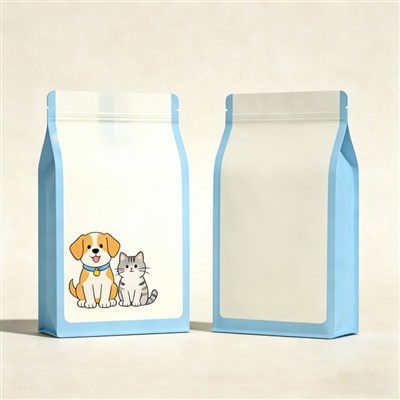
First off, let’s talk about understanding the product. You can’t just assume that one type of packaging fits all. Take perishable goods, for example. If you’re dealing with fresh produce, you need packaging that can maintain the right level of humidity and ventilation. Plastic clamshells are great for this because they can keep the produce visible while allowing air to circulate, preventing mold and spoilage. On the other hand, if you’re packaging a high – end electronic gadget, you need something that provides shock absorption and static protection. Foam inserts inside a hard – shell box can do the trick, safeguarding the delicate components from damage during shipping and handling.
Another factor to consider is the transportation aspect. Products are shipped all over the world, facing different conditions along the way. Fragile items like glassware or ceramics demand extra care. Bubble wrap, corrugated cardboard dividers, and sturdy outer boxes are essential. They prevent breakage by absorbing shocks and vibrations during transit. For larger and heavier products, like furniture, we might use palletized packaging. This not only makes it easier to move the product around but also provides stability during long – distance hauling.
The environmental impact is also a big deal nowadays. More and more consumers are conscious of eco – friendly options. So, as a packaging supplier, we need to offer solutions that are sustainable. For products that don’t require a lot of protection, we can use recycled paper or cardboard. These materials are not only biodegradable but also help reduce waste. If a product needs a bit more durability, we can look into bioplastics, which are made from renewable resources and break down faster than traditional plastics.
Let’s get into the nitty – gritty of the design process. The shape of the packaging should be tailored to the product. A cylindrical product won’t fit well in a square box. It’s all about optimizing space and ensuring a snug fit. This not only reduces the amount of packaging material used but also makes the product look more presentable. We can also use custom printing to add branding and instructions directly on the packaging. For example, if it’s a food product, we can print cooking instructions or nutritional information. This way, the packaging is not just a container but also a form of communication with the consumer.
There’s also the issue of legal compliance. Different products have different regulations regarding packaging. Food products, for instance, have strict rules about labeling, including ingredient lists, expiration dates, and allergen warnings. Cosmetics need to have proper safety information and ingredient disclosures. As a packaging supplier, we need to stay up – to – date with these regulations to ensure that our packaging meets all the requirements. Failure to do so can lead to hefty fines and damage to the brand’s reputation.
Now, let’s discuss the importance of testing. Before rolling out a new packaging design for a product, we need to conduct various tests. Drop tests can simulate the real – world scenario of a package being accidentally dropped during shipping. Compression tests check if the packaging can withstand the weight of other products stacked on top of it. We can also do environmental tests, like subjecting the packaging to different temperatures and humidity levels to see how it holds up. By conducting these tests, we can identify any potential weaknesses in the packaging and make the necessary adjustments.
In addition to understanding the product itself, it’s also vital to consider the end – user experience. The packaging should be easy to open. Nobody wants to struggle with a package that requires a lot of effort to access the product inside. We can design packaging with tear – strips or easy – open tabs. Also, the packaging should be easy to store. After the product is used, consumers should be able to dispose of the packaging in an environmentally friendly way.
Furthermore, as a packaging supplier, we need to keep an eye on the latest trends. The packaging industry is constantly evolving, with new materials and technologies emerging all the time. For example, smart packaging is becoming more popular. This type of packaging can provide information about the product’s freshness, temperature history, and even tell the user when it’s time to reorder. By staying ahead of the curve, we can offer our customers the most innovative and effective packaging solutions.
We also need to work closely with our customers. As a supplier, we’re not just here to provide a one – size – fits – all solution. We need to have in – depth conversations with our clients to understand their specific needs. Maybe they have a new product launch coming up and want a unique packaging design to stand out on the shelves. Or perhaps they’re looking to reduce their packaging costs without compromising on quality. By working together, we can come up with the best possible packaging options.
Cost is, of course, a major consideration for our customers. We need to find a balance between providing high – quality packaging and keeping the costs down. This could involve sourcing materials more efficiently, optimizing our production processes, or using standard sizes whenever possible. By reducing waste and streamlining operations, we can offer more competitive prices to our clients.
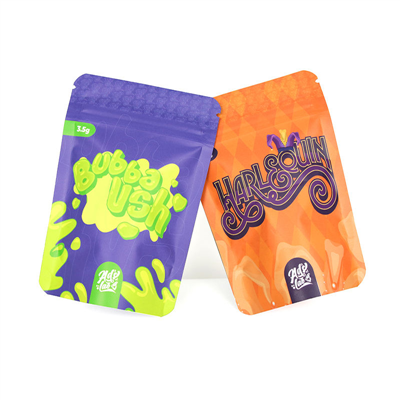
In conclusion, ensuring the compatibility of other packaging with different products is a complex but rewarding task. It requires a deep understanding of the product, transportation, environmental impact, design, legal compliance, testing, user experience, trends, collaboration, and cost – effectiveness. As an other packaging supplier, we’re committed to providing the best solutions for our customers. If you’re in the market for reliable and compatible packaging for your products, feel free to reach out. Let’s have a chat about your specific requirements and see how we can work together to create the perfect packaging solution.
Coffee Bag References:
- Packaging World Magazine
- Institute of Packaging Professionals Publications
- Environmental Protection Agency Guidelines on Packaging
Shenzhen Hongbang Packaging Production Co., Ltd.
We are one of the most experienced other packaging manufacturers and suppliers in China, specialized in providing high quality custom service. Please feel free to buy bulk other packaging made in China here from our factory. For quotation and free sample, contact us now.
Address: Room 601, BLDG D, Wisdom Centre, No. 58 Nanlian Road, Longgang, Shenzhen China 518116
E-mail: pm@hongbangpack.com
WebSite: https://www.hongbangpack.com/
