As a supplier of DTH Sub Adapters, I am often asked whether a DTH Sub Adapter can be used with a DTH antenna. This question is not only relevant to our potential customers but also crucial for anyone interested in enhancing their Direct – to – Home (DTH) television experience. In this blog post, I will explore this topic in depth, aiming to provide you with a comprehensive understanding of the compatibility between DTH Sub Adapters and DTH antennas. DTH Sub Adapter

Understanding DTH Antennas and DTH Sub Adapters
To start, let’s define what a DTH antenna and a DTH Sub Adapter are. A DTH antenna, commonly known as a satellite dish, is a parabolic structure designed to receive signals from communication satellites in geostationary orbit. These dishes come in various sizes, with larger ones generally providing better signal reception, especially in areas with poor satellite signal strength. The antenna focuses the incoming satellite signals onto a feed horn, which then transfers the signals to a Low – Noise Block downconverter (LNB). The LNB further amplifies and converts the high – frequency satellite signals into a lower frequency range for easier transmission through coaxial cables to the DTH receiver.
On the other hand, a DTH Sub Adapter is a device that adds versatility to the DTH setup. It acts as an intermediary connector that can be used to split signals, combine multiple signals, or adapt different types of connections. For example, it can split one satellite signal into multiple outputs, allowing several DTH receivers to access the same satellite channels simultaneously. Additionally, it can be used to connect different types of cables or components that may not be directly compatible with each other.
Compatibility Factors
The compatibility between a DTH Sub Adapter and a DTH antenna depends on several key factors.
Signal Frequency and Bandwidth
DTH satellite signals operate within specific frequency ranges. For example, C – band signals typically range from 3.7 to 4.2 GHz, while Ku – band signals are in the 10.7 to 12.75 GHz range. A DTH Sub Adapter must be designed to handle the frequency of the signals received by the DTH antenna. If the adapter has a limited frequency range that does not match the satellite signals, it will result in signal loss or distortion. As a supplier, we ensure that our DTH Sub Adapters are engineered to support a wide range of frequencies commonly used in DTH satellite systems. This allows our products to be compatible with most types of DTH antennas, whether they are receiving C – band or Ku – band signals.
Signal Strength
The strength of the satellite signal received by the DTH antenna is also a critical factor. A DTH Sub Adapter should not significantly degrade the signal strength, especially when splitting the signal to multiple outputs. Our DTH Sub Adapters are equipped with high – quality signal amplifiers and low – loss components. These features help to maintain the signal strength as it passes through the adapter, ensuring that each connected DTH receiver gets a sufficient and clear signal. However, it’s important to note that the number of outputs and the length of the coaxial cables used can also affect the overall signal strength. When using our DTH Sub Adapters, we recommend following the installation guidelines to minimize signal loss.
Connector Types
The physical connectors on both the DTH antenna and the DTH Sub Adapter must be compatible. Most DTH antennas and related equipment use F – type connectors, which are a standard for coaxial cable connections in the television and satellite industry. Our DTH Sub Adapters are designed with F – type connectors, making them easy to connect directly to DTH antennas. In some cases, where there may be a need to connect different types of cables or components, we also offer adapters that can convert between different connector types, providing even more flexibility in the DTH setup.
Advantages of Using a DTH Sub Adapter with a DTH Antenna
There are several benefits to using a DTH Sub Adapter with a DTH antenna.
Multi – Room Setup
One of the main advantages is the ability to create a multi – room DTH setup. With a DTH Sub Adapter, you can split the signal from a single DTH antenna to multiple DTH receivers located in different rooms of a house. This means that each room can have its own independent DTH TV connection, allowing family members to watch different programs simultaneously. This is a great solution for households with multiple TV sets and users with diverse viewing preferences.
Cost – Efficiency
Installing multiple DTH antennas for each TV set can be expensive and may not be practical in terms of space and installation requirements. By using a DTH Sub Adapter with a single DTH antenna, you can save on the cost of additional antennas and installation fees. Our DTH Sub Adapters are affordable, making them a cost – effective option for enhancing your DTH system.
Signal Quality Management
A high – quality DTH Sub Adapter, like the ones we supply, can help manage and optimize the signal quality. Even when splitting the signal, it can ensure that each connected receiver gets a stable and clear signal. This is especially important in areas with marginal satellite signal strength. The adapter’s built – in amplifiers and signal – conditioning features can boost the signal and reduce interference, resulting in better picture and sound quality on your TV.
Installation and Configuration
When installing a DTH Sub Adapter with a DTH antenna, it’s essential to follow the proper procedures.
First, turn off all the connected DTH receivers and the power supply to the DTH antenna’s LNB. Then, disconnect the coaxial cable from the LNB output and connect it to the input port of the DTH Sub Adapter. Next, connect the coaxial cables from each DTH receiver to the output ports of the adapter. Make sure all the connections are tight to prevent signal leakage.
Once the physical connections are made, you may need to perform some configuration on the DTH receivers. This usually involves scanning for available satellite channels. Each receiver should be configured separately, and in most cases, the built – in scanning function of the DTH receiver can easily detect and set up the channels.
Conclusion
In conclusion, a DTH Sub Adapter can indeed be used with a DTH antenna, provided that the compatibility factors such as signal frequency, signal strength, and connector types are carefully considered. Using a DTH Sub Adapter offers numerous advantages, including multi – room setup, cost – efficiency, and improved signal quality management.
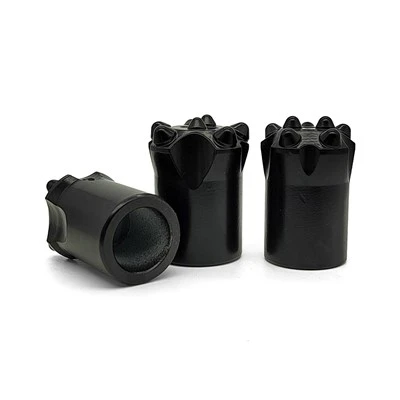
As a trusted supplier of DTH Sub Adapters, we are committed to providing high – quality products that meet the diverse needs of our customers. Our products are designed to be compatible with a wide range of DTH antennas and are backed by our expertise in the satellite TV industry.
Shank Adapters If you are interested in enhancing your DTH system with a DTH Sub Adapter, we invite you to contact us for more information and to discuss your specific requirements. Our team of experts is ready to assist you in choosing the right product and providing guidance on installation and configuration.
References
- Electronic Engineering Handbook: A comprehensive reference for electronic components and their compatibility.
- Satellite TV Technology Guide: A guide specifically focused on the technologies related to DTH satellite systems.
- Industry reports on Direct – to – Home television systems and components.
Super Rock Machinery Equipment (Qingdao) Co., Ltd.
We are one of the most professional DTH sub adapter manufacturers and suppliers in China, featured by quality products and good price. Please feel free to buy advanced DTH sub adapter for sale here from our factory. Welcome to view our website for more information.
Address: No. 45, Pengwan Road, Qianwan Bonded Port Area, Qingdao Sub-district, Free Trade Pilot Zone, Shandong China
E-mail: sales@superrocktools.com
WebSite: https://www.superrocktools.com/
