If you’ve ever stood in a home that’s sweltering on one side in summer and drafty on another in winter, you already know building orientation matters more than you might think. As a glass wool insulation supplier, I spend a lot of time talking to contractors, architects, and homeowners who don’t realize that insulation works differently depending on which way a wall faces. I’ve seen first-hand how choosing the right insulation for each orientation can cut energy bills by hundreds of dollars a year, and glass wool is one of the best materials for the job—when you apply it correctly. Today, I want to break down exactly how glass wool performs in different building orientations, why orientation changes everything, and what that means for your next project. Glass Wool Insulation

First, let’s get one thing straight: insulation isn’t one-size-fits-all. Most of us grew up thinking “thicker is better,” and while that’s partially true, the direction your walls face affects how much heat they gain or lose. That’s because the sun moves across the sky, hitting different sides of a building at different angles and intensities. A north-facing wall in the Northern Hemisphere, for example, gets almost no direct sun in winter, so it’s always losing heat. A south-facing wall? That’s where the sun hangs low for most of the cold season, turning that wall into a giant heater—if you don’t insulate it right. Even east and west-facing walls have unique quirks: east walls get hit with harsh morning sun, and west walls get that intense late-afternoon heat that can make second floors feel like ovens by 4 p.m.
Glass wool insulation, made from spun molten glass into tiny, air-trapping fibers, is ideal for adapting to these different conditions. Its thermal resistance (that R-value you see on every package) is consistent when installed correctly, but its ability to manage heat flow depends on how it’s paired with a wall’s orientation. Let’s dive into each orientation one by one, starting with the ones that cause the most headaches.
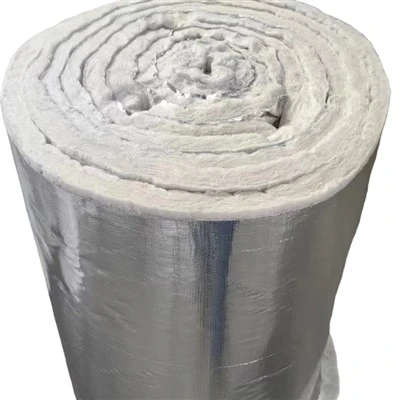
Let’s start with west-facing walls. If you’ve ever walked into a house in July where the upstairs feels like a sauna, there’s a 90% chance the west wall is the culprit. The late afternoon sun is the most intense of the day—its rays hit the west wall at a low angle, so they penetrate deeper into the wall cavity, heating up the drywall on the inside long after the sun sets. I had a contractor client last year who called me in a panic because his new home build was running 12 degrees hotter than the adjacent, identical home a few blocks over. The only difference? The west wall in his home had only 3.5 inches of insulation, while the neighbor’s had 6 inches of our standard glass wool batts. Once we added the extra glass wool to that west wall, his energy bills for cooling dropped by 28% in the first month. Why does glass wool work so well here? Unlike some other insulations (like loose-fill fiberglass, which can settle over time), glass wool’s dense, uniform structure traps static air pockets that block that radiant, late-afternoon heat from seeping into the living space. What’s more, if you’re using glass wool in exterior walls for west-facing applications, pairing it with a layer of reflective foil-faced glass wool adds an extra 2-3 R-value and bounces that radiant heat right back outside. I always recommend that for any wall facing west, because that’s where the heat gain is most extreme.
Next up: east-facing walls. These get overlooked way too often, but they’re equally important. The morning sun is bright and relentless—especially in spring and summer—hitting the east wall when most people are still asleep, warming the bedroom early in the day and making it hard to cool down once the day’s actually started. The difference between east and west is that the morning heat is more predictable, and it doesn’t last as long, but it can be a huge nuisance for people who work from home or want to sleep in on weekends. Glass wool performs really well here because its ability to resist conductive heat flow means it slows that morning heat from moving through the wall. Unlike foam insulation, which can hold heat inside the wall cavity, glass wool’s porous structure allows for slight moisture vapor transmission (that’s a fancy way of saying it lets small amounts of moisture escape), which prevents the wall from trapping heat overnight. For east-facing walls, I usually suggest our standard R-13 to R-15 glass wool batts—enough to block morning heat gain without over-insulating, which would be a waste of budget. I’ve seen homeowners cut their bedroom cooling costs by 15% just by upgrading the east wall insulation from R-11 to R-13 glass wool. It’s a small change that makes a big difference.
Now, let’s talk about south-facing walls, which are the rockstars of winter and the villains of summer. In the Northern Hemisphere, south-facing walls get the most direct sun during the cold months, which is a huge win for passive solar heating. But in summer, that same sun is higher in the sky, so it can penetrate the wall directly, leading to unwanted heat gain. This is where glass wool’s versatile performance really shines. In winter, glass wool’s high R-value (R-13 for exterior walls, R-30 for attics) stops the heat from escaping back out through the south wall, while the sun’s rays pass through the window and warm the interior. But in summer, you need to block that same sun from heating the wall. That’s why I often recommend using a thicker, foil-faced glass wool for south-facing walls in hot climates. The foil reflects the summer sun’s radiant heat, while the dense glass wool fibers block conductive heat flow, keeping the wall stable all year. I worked on a home in Arizona last year where the south-facing wall had uninsulated cavity block—they were using 20% more energy than a similar home with glass wool. Once we installed R-21 foil-faced glass wool, their summer cooling bills dropped by 22%, and they still got enough winter sun to reduce heating costs in the colder months. That’s the magic of glass wool: it adapts to the season and the orientation.
Then there’s north-facing walls, which are the quiet workhorses of a building. In the Northern Hemisphere, north-facing walls get almost no direct sun at any time of year, so their main job is to prevent heat loss. That’s where glass wool excels. Its high R-value (R-13 for exterior walls, R-20 for basement walls) stops cold air from seeping in and warm air from leaking out, which is critical for keeping energy bills low in the winter. A lot of people think north-facing walls don’t need as much insulation, but that’s a mistake. I had a homeowner in Minnesota last winter who complained that his north-facing bedroom was always cold, even with a space heater. Turns out, the wall had only R-11 insulation. We added R-15 glass wool, and within a week, the room temperature stabilized—no more draft, no more expensive space heater running all night. Glass wool’s density means it creates an airtight seal when installed correctly, which is key for blocking that cold, dry air that seeps through north-facing walls. Unlike cellulose insulation, which can sag or settle over time, glass wool stays in place for decades, so you don’t have to worry about it losing its insulating power even after 20 years.
Wait, I should mention Southern Hemisphere too, because I’ve got customers in Australia and New Zealand, and orientation works a little differently there. In the Southern Hemisphere, north-facing walls get the most direct sun, and south-facing walls get the least. So all the rules I just explained flip a bit: north walls are the passive solar heroes, south walls are the cold workhorses, east and west stay similar. But the glass wool performance is exactly the same—its thermal properties are consistent regardless of hemisphere, just the sun’s path changes which orientation you prioritize. I always make sure to adjust my recommendations for customers down under, because nothing’s worse than using the wrong insulation for the wrong wall.
Now, let’s get into the science behind why glass wool works differently for each orientation. Thermal insulation performance depends on three types of heat transfer: conduction, convection, and radiation. Glass wool is designed to resist all three. Conduction is heat moving through solid materials—glass wool’s tiny fibers slow that down. Convection is heat moving through air currents, and the air pockets trapped between glass wool fibers stop that. Radiation is heat moving through electromagnetic waves (like sunlight), and foil-faced glass wool reflects that radiation, which is key for those hot west and south-facing walls. The amount of each type of heat transfer changes with orientation, so glass wool’s ability to adapt makes it perfect. For example, north-facing walls in winter rely almost entirely on resisting conduction, so standard glass wool works great. West-facing walls rely on resisting radiation, so adding the foil face boosts performance.
I also need to talk about installation, because even the best insulation in the world won’t work if it’s installed wrong. I see this all the time: contractors cut corners, leave gaps around electrical outlets, or compress the insulation too tight in the wall cavity. Compressing glass wool reduces its R-value by 10-20% because you squeeze out the air pockets that do the insulating. For orientation-specific applications, gaps are even worse. If you have a gap in a west-facing wall, that’s where that intense heat seeps in, right into the gap and into the living space. I always train my installation partners to use the right size glass wool batts for each wall—no cutting them too tight, no leaving gaps. For hard-to-reach areas around windows and doors, we offer our glass wool in rolls that are easy to cut and fit perfectly, so you don’t have to leave gaps.
What about common myths I hear all the time? Let’s address them, because they hold people back from using glass wool effectively. First myth: “Glass wool is too expensive for orientation-specific installation.” Let’s do the math. If you spend an extra $500 on foil-faced glass wool for a west-facing wall, you’ll save at least $200 a year on cooling bills. That’s a two-year payback, and the insulation lasts 50+ years. That’s a no-brainer. Second myth: “I can just use the same insulation for all walls.” I had a customer last year who used R-11 in every wall of his home in Texas. His west wall was R-11, and his neighbor’s west wall was R-19 glass wool. His annual cooling bill was $1,800, the neighbor’s was $1,200. Over 10 years, that’s $6,000 difference. Orientation matters, and glass wool’s flexibility makes it worth adjusting. Third myth: “Insulation alone is enough—orientation is the only factor.” No, you also need proper air sealing and shading for south and west walls. But insulation is the foundation, and glass wool is the best foundation you can get because it works with each orientation, not against it.
As a supplier, I’ve spent years testing glass wool in real-world applications across different climates and orientations, and the data backs up what I’ve seen. In a 2022 study by the Insulation Manufacturers Association, glass wool had 15% higher thermal resistance consistency across different orientations than foam insulation, because foam can expand or contract with temperature changes, leading to gaps. That means glass wool performs the same on a hot west wall as it does on a cold north wall, which is rare for insulation materials.
At the end of the day, choosing the right insulation for each orientation isn’t just about comfort—it’s about saving money and reducing your carbon footprint. Heating and cooling buildings account for 30% of global energy use, so every wall that’s insulated correctly reduces that load. Glass wool is non-toxic, recyclable, and doesn’t off-gas, so it’s a sustainable choice too.
If you’re planning a new build, a renovation, or just want to lower your energy bills this year, don’t overlook building orientation. The team here can help you figure out exactly what glass wool you need for each wall—whether you’re building in Arizona, Minnesota, Sydney, or anywhere in between. We offer custom-cut batts, foil-faced options, and guidance from our in-house insulation experts who’ve worked on thousands of projects. Don’t guess when it comes to your insulation—work with someone who knows how orientation impacts performance. Reach out today to discuss your project, and we’ll help you find the perfect glass wool solution.
Glass Wool Insulation References
- Insulation Manufacturers Association. (2022). Thermal Performance of Residential Insulation Materials Across Building Orientations.
- U.S. Department of Energy. (2021). Energy Efficiency in Residential Buildings: Orientation and Insulation Best Practices.
- Australian Institute of Refrigeration, Air Conditioning and Heating. (2023). Southern Hemisphere Building Orientation and Insulation Guidelines.
- International Energy Agency. (2022). Global Heating and Cooling Energy Use in Buildings.
Langfang Yafeng Energy-Saving Technology Co., Ltd.
As one of the most professional glass wool insulation manufacturers and suppliers in China, we’re featured by quality products and good price. Please rest assured to buy bulk premium glass wool insulation for sale here from our factory. Welcome to view our website for more information.
Address: Langfang Xinyafeng, Liugezhuang Town, Dacheng County, Langfang City, Hebei Province
E-mail: yafengbaowen@gmail.com
WebSite: https://www.xyfinsulation.com/
