If you’ve ever sat down at a restaurant and noticed the subtle, thoughtful details that make the space feel intentional—from the way light filters through a wall divider to the quiet grip of a menu stand on a wet table—chances are perforated metal played a part. As a perforated metal supplier who’s worked with dozens of independent eateries, chain restaurants, and upscale hotel dining spots over the past 12 years, I’ve watched this versatile material shift from a behind-the-scenes industrial product to a core design and functional workhorse in foodservice spaces. It’s not just a pretty metal cutout; it solves real problems for chefs, owners, and diners alike, and I want to break down exactly how it’s used, why it works, and what makes it worth the investment for any restaurant operator. Perforated Metal

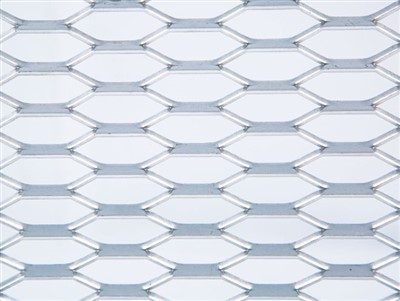
First, let’s ground this in what perforated metal is, because not everyone who walks into my showroom knows the difference between a sheet with tiny holes and other cut metal materials. Perforated metal is a flat sheet (usually aluminum, steel, or stainless steel, with stainless being our most popular pick for restaurants) that’s punched, drilled, or laser-cut with uniform holes in any size, shape, or pattern. The holes can be round, square, slotted, or even custom shapes like leaves or stars, and their size, spacing, and density change how the material behaves—whether it’s letting light pass through, blocking smoke, or holding weight without bending. That flexibility is why it’s such a perfect fit for restaurants, which have unique needs that balance safety, aesthetics, and function.
One of the most common uses I get asked about, especially from new restaurant owners, is ventilation and smoke extraction in open kitchens. Open kitchens have exploded in popularity over the last 15 years—diners love watching chefs toss pasta, grill steaks, and assemble dishes right in front of them, and chefs say it fosters a more connected vibe. But that openness brings a problem: grease, smoke, and cooking fumes don’t just disappear. Perforated metal solves this with a specific type of sheet called a perforated grease filter. We typically supply 20-gauge 304 stainless steel for these, with 1/8-inch round holes spaced 1/16 inches apart. The holes are small enough to catch large grease particles before they reach the kitchen’s exhaust fan, but large enough to let air flow freely—so the fan doesn’t have to work as hard, cutting down on energy costs. I recently worked with a small bistro in Portland that switched from disposable aluminum grease filters (which they had to replace every two weeks) to our perforated steel ones. They told me they’ve only cleaned the metal filters four times in a year, and their electric bill dropped by 12% because the exhaust system runs more efficiently. That’s a big win for a small operation where every dollar counts.
Beyond ventilation, perforated metal is a go-to for wall dividers and space segmentation, which is critical in restaurants that need to balance privacy and a sense of openness. Large chain restaurants, for example, often have long, narrow spaces that feel like a cafeteria if they don’t have dividers, and upscale fine-dining spots need to make small tables feel intimate without walling guests off entirely. Perforated metal dividers do both: they create physical boundaries so diners don’t overhear conversations at adjacent tables, but the open holes let light and sound filter through, so the space doesn’t feel cramped or closed off. We’ve supplied these for everything from fast-casual taco shops with colorful anodized aluminum dividers (bright, durable, and easy to wipe down with a degreaser) to fine-dining steakhouses with brushed stainless steel dividers in a diamond pattern. One high-end steakhouse in Chicago used 4-foot tall perforated metal dividers with ½-inch round holes to segment their bar area from the main dining room. Their manager told me that within a month of installing them, customer reviews mentioned “much less noise” and “a more private feel than last time,” and they didn’t get a single complaint about feeling separated from the rest of the space.
Menu stands and table accessories are another area where perforated metal shines, especially for restaurants that want to look polished but don’t want items that get stained, dented, or rusty. Disposable paper menu holders are cheap, but they fall apart if a glass of water spills on them, and plastic holders can look cheap in a spot that’s going for a modern or industrial vibe. Perforated metal menu stands, though, are durable, easy to clean, and customizable. We make them with 16-gauge stainless steel, with small round holes that let water drain through if it spills, and they can be stamped with the restaurant’s logo or a simple pattern to match the space. A coffee chain in Seattle uses our custom brass perforated menu holders for their seasonal drink menus, and they told me that the stands have held up for three years without a scratch, even with baristas tossing them in a bin after use. We also make table bases for small bistro tables—perforated steel bases are lighter than solid metal, so they’re easy to move when the restaurant rearranges tables for large groups, but strong enough to hold a full table and set of dishes. One bakery in Boston used our slotted perforated steel table bases, and they said they can rearrange 10 tables in half the time they used to take with heavy solid bases.
Safety is a non-negotiable in restaurants, and perforated metal plays a key role there too. Slip-and-fall accidents are a top risk in foodservice, especially near dishwashing stations, entryways, and back-of-house areas where floors get wet. Perforated metal floor mats (also called grates) are designed for this: they have large, evenly spaced holes that let water and food scraps drain through, so the mat stays dry and non-slip, unlike solid rubber mats that hold water and become slippery. We supply these in aluminum for back-of-house areas (lighter, cheaper) and stainless steel for front-of-house entryways, where they need to look clean and polished. A casual seafood restaurant in Miami switched from rubber mats near their outdoor patio, which would get moldy and slippery after rain, to our ½-inch slotted stainless steel floor grates. They had three minor slip incidents in 2022, and zero in 2023 after the install. Also, for outdoor dining areas, perforated metal is used for railings and planters. Unlike wood, which rots, or glass, which can break, perforated metal railings are durable, and the holes let air circulate around plants in planters, keeping them healthy. A Mexican restaurant in Austin uses our black powder-coated perforated metal railings for their rooftop patio, and they said they haven’t had to repair or replace any of them in five years, even through Texas’s extreme heat and occasional rainstorms.
Design flexibility is where perforated metal really stands out, especially as restaurants lean into unique, on-brand aesthetics. Many operators think perforated metal only comes in standard round holes, but we can custom-cut any pattern—from geometric shapes to even intricate brand logos—using laser cutting, which gives a clean, precise edge. For example, a vegan café in Denver wanted a feature wall that reflected their plant-based focus, so we worked with their designer to create a wall of perforated metal with small leaf-shaped holes, arranged in a pattern that looks like a tree canopy. The leaf holes let soft, diffused light from the windows filter through, and at night, when the cafe’s string lights are on, the leaf shadows cast on the walls create a warm, cozy vibe. Another popular custom use is for artwork or signage: perforated metal is light enough to mount on walls without heavy structural support, and the holes create a layered look that’s different from flat painted signs. We made a custom “10” sign for a 10th anniversary restaurant in Detroit, using 24-gauge aluminum with ¼-inch round holes, so it’s lightweight and easy to hang, and the holes give it a modern, textured look that stands out against the brick wall.
I’ve also seen common mistakes that restaurant operators make when choosing perforated metal, which I want to share to help you avoid them. First, don’t pick a material just because it’s cheap—stainless steel is more expensive upfront than aluminum, but it resists corrosion from grease, water, and cleaning chemicals, which is critical in a restaurant. I had a client who bought cheap aluminum perforated metal for their kitchen ventilation filters, and within six months, the metal had rusted from exposure to grease and dishwasher cleaners, and they had to replace all the filters. Second, don’t forget about cleaning—perforated metal needs to be easy to wipe down, especially in high-traffic areas. Avoid hole sizes that are too small, because food scraps and grease can get trapped, making it hard to clean; we usually recommend a minimum 1/8-inch hole for kitchen areas, larger for floor grates. Third, measure twice before ordering—perforated metal is custom-cut, so if you order a wall divider that’s 4 feet tall when you need 4.5 feet, you’ll have to pay for a new sheet. I always tell my clients to bring exact measurements of the space, or send a team member to take them, to avoid delays.
So, what does this mean for restaurant owners and operators? Perforated metal isn’t just a trend—it’s a practical, long-lasting material that solves multiple problems at once. It cuts energy costs for ventilation, improves safety with non-slip flooring, creates intimate, flexible spaces with dividers, and adds a custom, on-brand design element that stands out to diners. For small, independent restaurants, it’s a cost-effective upgrade that pays for itself over time—through lower utility bills, less frequent replacement of disposable items, and fewer accident-related costs. For larger chains, it’s a consistent, durable material that works across multiple locations, with custom options to fit each space’s brand.
If you’re a restaurant owner, designer, or operations manager who’s looking to upgrade parts of your space, solve a specific problem, or add a unique design element, perforated metal is worth exploring. I’ve worked with restaurants of all sizes and types, from food trucks to Michelin-starred eateries, and I can help you pick the right material, hole size, and pattern to fit your needs. Whether you need ventilation filters, wall dividers, floor grates, or custom design elements, we can tailor the perforated metal to your space.
Micro Perforated Metal References:
- Restaurant Design and Construction Guide, National Restaurant Association, 2022.
- Perforated Metal Applications in Foodservice, Metal Architecture Magazine, Vol. 47, No. 3, 2021.
- Foodservice Safety Standards, Occupational Safety and Health Administration (OSHA), 2023.
- Custom Metal Fabrication for Hospitality Spaces, Hospitality Design Magazine, 2022.
Anping Yilida Metal Wire Mesh Co., Ltd.
Anping Yilida Metal Wire Mesh Co., Ltd. is one of the most reliable perforated metal manufacturers and suppliers in China, also supports customized service. Please feel free to buy bulk high quality perforated metal made in China here from our factory.
Address: Wire Mesh Development Zone, Anping, Hebei Province, China
E-mail: sales@wiremesh-yg.cn
WebSite: https://www.yilidametal.com/
