If you’ve ever watched a motorcycle being winched onto a shipping trailer, you know it’s not just about loading it up and hitting the road. As a vehicles shipping supplier, I’ve handled thousands of bikes—from vintage 1970s cafe racers to brand-new adventure tourers—and I can tell you: the difference between a smooth, damage-free delivery and a stressful mess often boils down to one thing: proper pre-shipping prep. Skip a step, and you might end up with a cracked fairing, a flat tire, or even a dead battery when your bike arrives. I’ve seen it all, so let me walk you through the actionable, science-backed steps we rely on at work every single day to get motorcycles ready for transport. Vehicles Shipping
First, let’s start with the big picture: why pre-shipping prep matters more for motorcycles than cars. Unlike a sedan that sits on four stable wheels, a motorcycle is a two-wheeled, top-heavy machine designed to balance under your control. When you ship it, it’s exposed to bumps, vibrations, and even minor shifts in weight during transit—especially if it’s going cross-country or overseas in a container. A poorly prepared bike can slide, tip, or scratch itself against other cargo, and that’s before we even get to mechanical issues that can derail delivery timelines. Over the years, I’ve learned that taking 2-3 extra hours to prep a bike saves us (and our clients) 10x the time and headache down the line.
Let’s break it down step by step, starting with the most critical mechanical checks. First, fluid levels. This isn’t just a “top them off” task—we follow manufacturer specs to the letter, because too much or too little fluid can cause damage during shipping. For example, overfilling the engine oil can lead to leaks when the bike is tilted, which is almost inevitable when securing it. We check coolant, brake fluid, and even windshield washer fluid (if the bike has one) too—freezing temperatures in open-air carriers can cause fluid to expand and crack components if it’s not properly filled or, for long-haul trips in cold climates, drained if antifreeze isn’t rated for the route. Next, the fuel tank. This is a non-negotiable: we always drain or lower fuel to 1/4 tank max for domestic shipments, and only 1/8 tank (or completely empty, if the carrier allows) for international. Why? Fuel expands with temperature changes—trailers can swing from 80°F during the day to 40°F at night, and that expansion can cause gas to seep out through the cap, creating a fire hazard or leaving stains on your bike. For cross-country trips, a little leftover fuel is enough to start the bike if we need to adjust straps mid-transit, but we never go over that 1/4 limit.
Battery care is next, and it’s one of the most common mistakes we see first-time shippers make. A motorcycle battery is small and sensitive to vibration, so leaving it connected during shipping can drain it and cause corrosion. Our go-to steps here: first, turn off all accessories (heated grips, GPS, phone chargers) and remove the negative cable first—this reduces the risk of short circuits. If the bike is going to be in transit for more than a week, we also disconnect the positive cable, or remove the battery entirely, clean the terminals with a wire brush to remove any corrosion, and store it in a cool, dry spot inside the bike’s storage compartment or a padded bag. I once had a client skip this step, and when his $15,000 sportbike arrived, the battery had leaked all over the frame, leaving corrosive spots that cost $800 to repair. That’s a mistake no one needs to make.
Now, moving to cosmetic and protective prep, which is just as important as mechanical work. Motorcycles are full of delicate, scratch-prone parts: fairings, exhaust pipes, handlebars, mirrors. We always start with a thorough wash and dry—dirt and grime can scratch the paint during loading and transit, and we need a clean surface to document any pre-existing damage for insurance purposes. Next, we cover all the vulnerable bits: mirrors go into soft foam covers or plastic bags, secured with rubber bands so they don’t flop around. Exhaust pipes, especially chrome ones, get wrapped in moving blankets or bubble wrap to prevent scratches from metal straps or other cargo. Fairings and windshields—if they’re removable—are taken off and packed in a hard case inside the bike’s luggage, but if they’re fixed, we use clear paint protection film (PPF) on high-risk areas, like the leading edge of the fairing that could hit a strap, or the frame near the kickstand. For bikes with extended or custom parts (like crash bars, saddle bags), we also make sure those are secured tightly—saddle bags can come loose during transit, hitting the bike’s body and causing dents.
Tire and wheel prep is often overlooked, but it’s critical for stability. We check tire pressure first—again, following the manufacturer’s recommended psi, not just whatever is on the tire sidewall. Why? Tire pressure changes with temperature, and underinflated tires can flex during transit, leading to uneven weight distribution or even blowouts if the trailer hits a pothole or a speed bump. We also check for any cuts, bulges, or embedded stones in the tires—even a small stone can work its way into the tread during shipping and cause a flat, which would delay delivery. Finally, we lock the steering wheel all the way to one side—this is a key security step, and it keeps the bike stable when loading it onto a trailer, because the front wheel can’t turn and cause the bike to tip. We also leave the key in the ignition in the “on” position so the carrier can release the steering lock if needed—just make sure it’s not in a position that would drain the battery.
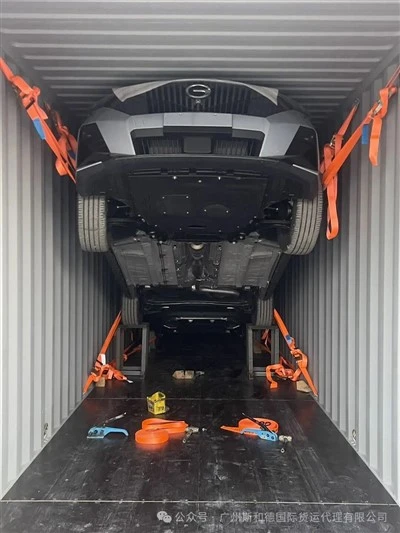
Securing the bike is the final, most important step of prepping it for shipping, and this is where our years of experience really make a difference. A lot of people think just strapping the bike down is enough, but there’s a right way and a very wrong way. We use four straps total: two on the front forks, two on the rear frame, not the handlebars or the seat. Handlebars can bend under too much tension, and strapping to the seat can crack the plastic. We use ratchet straps with soft loops, not metal hooks, because metal hooks can scratch the frame. The tension is key: we pull the straps tight enough that the bike can’t move more than 1-2 inches in any direction, but not so tight that it warps the frame or the forks. For long-haul trips, we also add a stabilizer bar to the rear wheel if it’s a larger bike, like a Harley Davidson touring model, to prevent the wheel from spinning during transit. We also double-check every strap after loading—vibrations can loosen straps over time, so we always do a second walk-around before the carrier pulls away.
Wait, one more thing: documentation and insurance. We never skip this, because it’s part of prepping your bike for shipping too. Before loading, we take 5-10 clear photos and videos of the bike from every angle—close-ups of the paint, the fairings, the tires, any existing dents or scratches. We also note the odometer reading and any accessories that are being shipped with the bike (like a extra helmet or a jacket). This is critical for insurance claims if something does go wrong, and it’s a step we always remind our clients to do, even if we’re handling the transport.
I know what some of you are thinking: this sounds like a lot of work. But here’s the thing: when you work with a vehicles shipping supplier, we’ve done this so many times that we can prep a standard motorcycle in about two hours, start to finish. And taking that time means your bike arrives exactly as it left—no stress, no extra costs, no hidden surprises. If you’re planning to ship a motorcycle, whether it’s cross-country or overseas, don’t cut corners on prep work. Trust me, I’ve seen too many clients regret that.
Roll-on/roll-off At the end of the day, shipping a motorcycle isn’t just about moving metal from point A to point B. It’s about protecting something that’s often a labor of love—whether it’s a bike you’ve spent years restoring, a daily commuter, or a new purchase you’re picking up from across the country. Our team understands that, which is why we build every step of our pre-shipping process around care, precision, and safety. If you’re getting ready to ship your motorcycle and want to make sure it’s 100% ready for transport, or if you have questions about how our process works, we’re here to help. Reach out to our team to discuss your shipping needs, and we’ll walk you through every step to make sure your bike is in the best hands.
References
- Motorcycle Safety Foundation. "Transporting Motorcycles: Pre-Shipment Preparation Guidelines." 2022.
- U.S. Department of Transportation. "Commercial Vehicle Loading and Securing Standards." Federal Motor Carrier Safety Administration, 2021.
- Specialty Vehicle Shippers Association. "Best Practices for Preparing Motorcycles for Cross-Country and International Shipping." 2023.
- BMW Motorrad Technical Manual. "Pre-Delivery and Transport Preparation for On-Road Motorcycles." 2022.
- Tire Industry Association. "Tire Care and Maintenance Guidelines for Long-Distance Vehicle Transport." 2021.
Speed Supply Chain (Guangzhou) Co., Limited
Speed Supply Chain (Guangzhou) Co., Limited is a licensed NVOCC and first-level freight forwarder in China. With a professional team, we deliver reliable, efficient and cost-effective vehicles shipping service for global customers. If you have any enquiry about quotation, please feel free to email us.
Address: Room 2001-2002, Dongzhao Building, No. 515 Dongfeng Middle Road, Yuexiu District, Guangzhou, Guangdong, China
E-mail: mika.li@speedsucc.com
WebSite: https://www.speedsupplychain.com/
