Hey everyone, and welcome to my little corner of the web—thanks for stopping by! If you’re here, chances are you’ve either just gotten your hands on a lightweight pallet sleeve box from our crew, or you’re wondering what all the hype is about when it comes to these game-changing shipping and storage solutions. I’m not some stuffy industry expert with a 10-page manual to dump on you. I’m just the guy who’s been selling and troubleshooting these boxes for the last 8 years, and today I’m gonna walk you through assembling one like a pro. No jargon, no confusing steps—just real, hands-on stuff I wish I could’ve told our first batch of customers when they called me panicking at 2 a.m. because their box was falling apart mid-shipment. Lightweight Pallet Sleeve Box
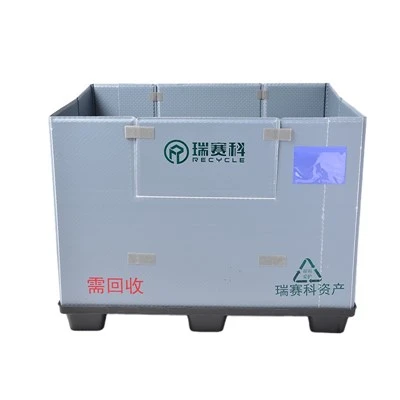
First off, let’s get one thing straight: lightweight pallet sleeve boxes aren’t your old, heavy wooden crates or flimsy cardboard boxes that tear after one use. We designed these to be tough, but way easier to handle—we’re talking half the weight of a traditional wooden pallet box, but just as durable for shipping everything from electronics to retail goods to even some perishables (as long as you pair ’em with the right liners, obviously). Assembling ’em might look tricky at first, but once you do it once, you’ll be whipping one together in under 5 minutes flat. Let’s break it down, step by step, so you don’t waste time or mess up the fit.
Before you even touch the pieces, take 30 seconds to lay everything out. I see so many people skip this step and end up hunting for parts, which is when you fumble and bend something out of shape. Here’s what you should have in your kit (if you bought one from us, it’ll all be in the same stack, labeled clearly so you don’t mix stuff up): the base unit (it’s that flat, sturdy pallet part, usually made of corrugated plastic or lightweight composite—way better than wood because it doesn’t rot or get infested), two side sleeves, two end sleeves, and four locking tabs (those little plastic or composite clips that hold everything together). No weird screws, no glue, no fancy tools—just the parts and your two hands. Pro tip: lay ’em out in a straight line, base first, with the sleeves standing up next to it so you can see each piece clearly. Don’t stack ’em—you’ll just knock ’ over and waste more time.
Now, the next part is where most people mess up the alignment, and it’s so simple if you pay attention to the little notches. Let’s start with the base. Flip it right side up so the flat, textured top is facing you— that’s where your product sits. Notice the four small indentations along the edges of the base, one on each side near the corners? That’s where the sleeves lock in. Grab one of your side sleeves (the longer, rectangular one—duh, don’t mix up sides and ends!) and line up the bottom edge of the sleeve with the two indentations on one long side of the base. The sleeve has little matching tabs on the bottom, right? You just need to push those tabs into the indentations. Don’t force it—if it doesn’t slide in easily, check if it’s flipped the right way. The side sleeves have a slight curve or a printed “side” label on the outside, so make sure that label is facing out when you line it up. Push gently until you hear a tiny “click” on both ends— that means the bottom tabs are locked into place on the base. Do the exact same thing on the other long side of the base. Two down, two to go.
Now the end sleeves—the shorter, square ones—go next. This is where alignment is super important, because if these are off, your whole box will be wobbly. Grab one end sleeve, and notice that the sides of the end sleeve have little slots cut into them, right? Those slots need to fit over the top edges of the already attached side sleeves. Line up the end sleeve so the bottom corner of the side sleeve sits right in the slot of the end. Push down gently on the end sleeve, working from the middle out to the corners, until it’s sitting flat on the base. Again, you should feel that same soft click when the side sleeves’ edges snap into the slots of the end. Do the same for the other end sleeve. Wait, hold on— don’t walk away just yet! I know it looks like it’s together now, but we gotta lock the top too, right? That’s where those four locking tabs come in.
Here’s the part most first-timers skip, and it’s the difference between a box that stays together during a cross-country truck ride and one that collapses in your warehouse. The top edges of the side and end sleeves overlap just a tiny bit at the corners, right? That’s where we slide in the locking tabs. Grab one tab—they’re usually color-coded, but even if not, they’re small and flat—and fit one end into the slot of the side sleeve, and the other end into the slot of the end sleeve at the top corner. Push it down firmly until it’s fully seated. You don’t need to yank it, but it shouldn’t pop out if you tug a little. Do this for all four top corners. Now, stand back and look at your box. It should be straight, no gaps between the sleeves, and it should feel solid when you push on the sides. If there’s a tiny gap at a corner, that just means one of the locking tabs isn’t seated right—wiggle the tab a little until it clicks into place, and you’re good.
Wait a second, some of you might be thinking—what if I need to reuse this box? Because that’s another big plus of these lightweight ones: they’re way more reusable than cardboard, and even hold up better than wooden ones after a few trips. Let me throw in a quick tip for takedown and reassembly, since I get so many questions about that. To take it apart, just pry the four locking tabs up gently with your thumb or a flat edge (like a butter knife, don’t use something sharp that’ll scratch the sleeves), then lift the end sleeves off first, then the side sleeves. Don’t yank them straight up—twist them a little side to side to loosen the tabs on the base, and they’ll come apart easy. Reassembly is exactly the same as what I walked you through, just in reverse. I’ve had customers tell me they’ve reused their box 10 times now, and it still works like new—way better than the flimsy cardboard they were using before that only lasted one trip.
Now, let’s talk about some common mistakes I see people make, because I’d rather you avoid the headache than have to call me at 2 a.m. First, don’t over-tighten the locking tabs. I’ve had a guy last month who crammed them down so hard he cracked a sleeve—no need for that. They just need to be snug enough so they don’t come loose. Second, don’t mix up side and end sleeves. I’ve heard so many horror stories of people grabbing a short sleeve for the long side, and it’s too small—just look for the “side” and “end” labels, or measure ’em if you’re not sure. Third, don’t skip the layout step. I once had a customer who threw all the parts in a box and shook them up, and when he tried to assemble, he had a sleeve upside down, so the tabs wouldn’t line up. Took him twice as long to fix. And finally, if you’re using this for heavy loads (we recommend up to 1,500 lbs for our standard size, for reference), make sure the base is aligned with the pallet you’re using. You don’t want the edges of the base hanging over the pallet, because that’s how you get a wobbly box and risk damage.
Wait, let me also mention why these boxes are worth it if you’re in shipping or logistics. I know cost is a big thing, but hear me out. Our lightweight pallet sleeve boxes are 30% lighter than wooden pallet boxes, so you save on freight costs—less weight means lower shipping rates, that’s a no-brainer. They’re reusable, so you don’t have to buy new boxes every time, like you do with cardboard. They’re also customizable—you can add your logo, adjust the size for specific products, even pair ’em with breathable liners if you’re shipping things that need air flow. We’ve got customers ranging from small e-commerce shops to big retail chains, and they all say the same thing: switching to these cut their shipping costs by 20-25% within the first 6 months. That’s not chump change, right?
Oh, and one last quick tip for when you’re loading stuff into the box. Don’t overfill it! Leave a little space at the top so when you close it (you can add a lid if you want, or just secure it with shrink wrap, or even tie straps around the outside), you don’t put too much pressure on the sleeves. Also, distribute the weight evenly—don’t pile all the heavy stuff on one side, because that’ll make the box tip or warp. I learned that the hard way when I tried to test a box once and stacked all the my old toolbox on one end—went tumbling over, almost landed on my foot. Never again.
So, that’s pretty much it. Assembling a lightweight pallet sleeve box is super simple once you know the steps. No fancy tools, no confusing instructions, just a little patience and attention to alignment. Whether you’re a small business owner shipping your first batch of products, a warehouse manager looking to cut costs, or just someone who bought one and wants to put it together without calling support, this guide should have you covered.
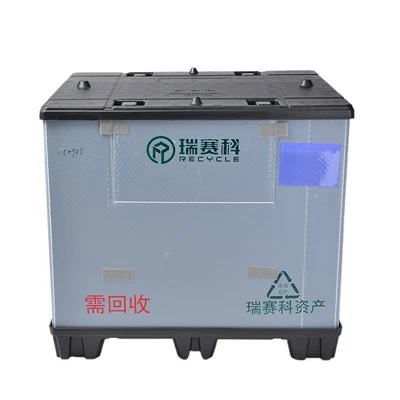
If you’re curious about how these boxes can work for your specific needs, or if you want to chat about sizes, customization, or pricing, don’t hesitate to reach out. We work with all kinds of businesses, big and small, and we’re here to help you find the right solution for your shipping and storage needs. No pushy sales stuff, just real advice from a guy who’s been in the game for years.
Large Pallet Sleeve Box References:
- Global Logistics Council. (2022). Lightweight Packaging Solutions for Sustainable Freight Reduction. Logistics Industry Report.
- American Society of Testing and Materials. (2021). Standard Guide for Reusable Packaging Assemblies. ASTM International.
- European Federation of Packaging and Packaging Waste. (2023). Cost-Benefit Analysis of Reusable Pallet Sleeve Systems. EFP Report.
Jiangsu Recycle Logistics Technology Co., Ltd.
Jiangsu Recycle Logistics Technology Co., Ltd. is one of the most professional lightweight pallet sleeve box manufacturers and suppliers in China. We have world-leading production equipment and strong manufacturing capabilities. Please feel free to wholesale bulk custom made lightweight pallet sleeve box from our factory.
Address: Jiangsu Recycle Logistics Technology Co., Ltd., No.6 Yongcheng Road, Shanghu Town, Changshu City, Jiangsu Province
E-mail: packing@szrecycle.cn
WebSite: https://www.js-recycle.com/
