Hey everyone, it’s Jake here from your go-to water hose supplier, and let’s be real—nothing kills a backyard BBQ, a quick garden water, or even just filling up your dog’s water bowl faster than a random small hole in your hose. You reach for it, twist the nozzle, and bam—your whole shoe’s soaked, and half the water’s spraying all over the neighbor’s roses. I’ve been there, and I used to just toss the whole hose and grab a new one… until I learned how easy fixing that tiny hole actually is. And as someone who sells these hoses, trust me— I’d rather you fix a small hole than waste money on a brand new one, especially if it’s not that old. Let’s walk through this step by step, no fancy tools, no confusing jargon, just what actually works. Water Hose

First, let’s get one thing straight: we’re only talking about small holes here. Like, the kind that’s no bigger than a pencil eraser, or even just a pinprick that’s spraying. If your hose’s got a big tear, or it’s split along the whole length, or if the hole’s right where it connects to the faucet or the sprinkler, this fix won’t cut it. But if you’ve got that annoying little spot that’s leaking just enough to be annoying? Stick with me. Let’s start with what you actually need—no weird stuff, I promise. Grab a pair of sharp scissors (kitchen scissors work, just make sure they’re clean), a clean rag or paper towels, some rubbing alcohol (nail polish remover works in a pinch, but rubbing alcohol is better), and a hose repair clamp. Wait, or a rubber patch and adhesive? Yeah, I’ll cover both options because some people prefer one over the other. Also, you’ll need some sandpaper, like the fine-grit kind you use for art projects or sanding small wood bits. That’s it. No special supplies from a hardware store that you’ll never use again.
First step: Turn off the water, obviously. This sounds dumb, but I’ve seen people skip it and get soaked, so don’t be that guy. Then, disconnect the hose from the faucet and lay it out on the ground. You want to find the hole first—run your hand along the length, because sometimes pinpricks are hard to see, or the hole’s covered by a kink. Once you spot it, make sure the area around the hole is completely dry. That’s non-negotiable. If there’s even a little water there, nothing will stick right. Grab your rag or paper towels, wipe the spot down, and if you can, leave it for 5 minutes to air out—especially if it was wet from leaking.
Next, prep the area. This is the part most people skip that makes their fix fall apart a week later. Grab that fine-grit sandpaper, and gently sand around the hole, about an inch around it. Don’t sand so hard that you make a dent or thin the hose too much—we just want to rough up the surface a little so whatever we use to patch sticks better. Think of it like scuffing your nails before applying nail polish, that’s the same idea. Once you’re done sanding, wipe the area down with rubbing alcohol to get rid of any dirt, oil, or little sand particles. Again, make sure it’s totally dry after that.
Now, here’s where you pick your fix. I’ve used both, and honestly, it depends on the hole. First option: the patch method. This is great for slightly bigger small holes, like up to a quarter inch. Grab your rubber patch (we sell these as add-ons, by the way, they’re super cheap) and cut it to size. You want it to be about half an inch bigger than the hole on all sides. So if the hole is a pencil eraser size, cut a patch that’s two inches total, so an inch on each side. Then, apply the adhesive that comes with the patch to both the back of the patch and the area around the hole on the hose. Wait, don’t just slather it on— follow the instructions, but generally, you let it get tacky for like 30 seconds before pressing it down. Align it perfectly over the hole, then press firmly all around the edges with your finger for at least 30 seconds. No air bubbles! If there’s a bubble, push it out with your finger. Then, let it sit for an hour at least before turning the water back on. I know, it’s tempting to test it right away, but trust me— rushing it means it leaks again.
Second option, the clamp method, is perfect for tiny pinprick holes, like the kind that spray just a little. This is way faster, no waiting for adhesive. You just slide the hose repair clamp over the hole, tighten it down with a screwdriver, and that’s it. Wait, hold on—no, not just tighten it. First, you need to make sure the area around the hole is dry, then you might even put a tiny piece of rubber (like from an old tire inner tube, if you’ve got it) over the hole before the clamp, to make a better seal. I’ve fixed a pinprick in 2 minutes with this method last summer when I was watering tomatoes, and it worked all the rest of the season. The only downside is, if you use this on a slightly bigger hole, it might not seal as well as the patch. So save the clamp for tiny holes, patch for the ones that are a little more noticeable.
Wait, a pro tip from me, actually— don’t fix a hole that’s right near the end of the hose where you attach the nozzle. Those ends take a lot of twisting and pulling, so even a good fix there might not hold. If the hole’s within a foot of the nozzle, just cut that end off and reattach the nozzle. You can get replacement hose ends at any hardware store, it’s super easy, but that’s a different post. For now, stick to holes in the middle, where the hose doesn’t get pulled or twisted as much.
Let me walk you through a time I did this last month, to make it real. I was at my sister’s house, helping her water her vegetable garden, and her hose had a pinprick hole right in the middle, spraying all over her lettuce. She was about to go buy a whole new hose, and I said, hold up, I can fix this in 5 minutes. We grabbed scissors, rubbing alcohol, a clamp I had in my car, wiped the area down, slid the clamp over, tightened it, turned the water on, and that was it. Worked all summer. No issues. So it’s not like it’s some magic trick, it’s just basic prep.
Wait, what if you don’t have any of these supplies? Can you fix it with something else? Yeah, maybe, but I don’t recommend it. I’ve heard people use electrical tape, but that only works temporarily, like a day or two. It gets sticky in the sun, falls off, and then you’re back to square one. Or duct tape? Same thing, way too sticky, leaves a mess, doesn’t hold up to water pressure. So save yourself the hassle, grab the right supplies, they’re like $5 total.
Another thing: after you fix the hole, it’s a good idea to stretch the hose out all the way and let the water run through it for a minute before you use it fully. That way, you make sure there’s no leftover pressure or air bubbles that might make the patch come loose. And after you use the hose, when you put it away, make sure to drain all the water out, and store it in a cool, shaded spot, not in the sun. Sunlight makes rubber break down, so if you store it right, you’ll get way more years out of it, and fewer holes to fix.
Let’s also cover a couple of common mistakes people make when fixing these holes, because I see them all the time. First, not drying the area enough. If there’s even a drop of water under the patch or clamp, it won’t seal. I learned this the hard way once— fixed a hole, turned the water on, and it was leaking 10 minutes later, because I didn’t wipe the area down good enough. Second, sanding too hard or not sanding at all. If you don’t rough up the surface, the adhesive has nothing to stick to, and the patch will peel right off. Third, rushing the drying time. I get it, you want to test it, but if you turn the water on too soon, the pressure can pop the patch off. Wait the full time the instructions say, even if it feels dry.
Now, if after you try this fix, it’s still leaking, what do you do? First, double-check that you followed all the steps. Maybe you missed a spot when wiping, or the patch isn’t pressed on right. If it still leaks, then it’s probably a bigger hole than you thought, or the hose is just too old. At that point, it’s okay to get a new hose, but before you do, reach out to us. We sell heavy-duty hoses that are way more durable than the cheap ones you get at the big box stores— I’ve tested them myself, they don’t get holes as easily, and if they do, we’ve got repair parts too.
Wait, hey, quick side note: if you’re dealing with a rubber hose, this fix works. If you’ve got a vinyl hose (the lighter, cheaper ones), it’s a little different— the adhesive for rubber might not stick as well, so you might want to get a vinyl-specific patch. We carry those too, just saying.
I know fixing a hose sounds like a tiny, boring task, but it’s one of those little things that saves you money and avoids a ton of frustration. Instead of tossing a perfectly good hose because of one small hole, spend 10 minutes fixing it, and you’re good for another year. And if you run into any issues, or you need new supplies, or even a new hose, hit us up to chat about it. We’re here to help, not just sell you stuff— that’s why we’re in this business.
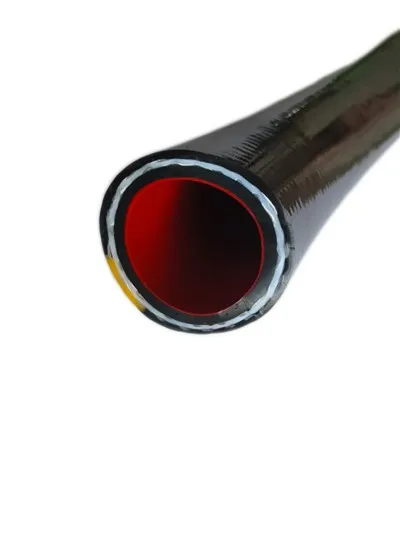
If you’ve fixed a hose before and have a trick I didn’t mention, drop a comment below— I always love hearing from you guys. And if you’re in the market for a new hose, or need repair parts, don’t hesitate to reach out to our team to discuss pricing and options. We’ll help you pick the right hose for your needs, whether you’ve got a small balcony garden or a huge backyard. Trust me, we’ve got you.
Flat Hose references:
- American Society of Agricultural and Biological Engineers. (2020). Hose Repair and Maintenance Guidelines for Irrigation and Residential Use. ASABE Standards.
- Rubber Manufacturers Association. (2019). Best Practices for Repairing Flexible Rubber Hoses. RMA Technical Bulletin.
- Home Improvement Research Institute. (2021). Consumer Maintenance Tips for Outdoor Watering Equipment. HIRI Report.
Weifang Xinzhiyuan Plastic Co., Ltd.
As one of the most experienced water hose manufacturers and suppliers in China, we offer a wide range of products with superior quality. Please feel free to wholesale premium water hose made in China here from our factory. We also accept customized orders.
Address: No. 700, Tongle Street, Economic Development Zone, Changle County, Weifang City, Shandong Province
E-mail: hua@xzypvchose.com
WebSite: https://www.pvchose-xzy.com/
