As a supplier of Arbor Presses, I’ve had the opportunity to witness firsthand the widespread use of these versatile tools in various industries. While Arbor Presses offer numerous advantages, it’s essential to acknowledge that they also come with certain drawbacks. Understanding these disadvantages can help potential buyers make informed decisions and determine whether an Arbor Press is the right choice for their specific needs. Arbor Press

Limited Force Capacity
One of the primary limitations of an Arbor Press is its relatively limited force capacity. Compared to larger hydraulic or pneumatic presses, Arbor Presses typically generate lower levels of force. This limitation can be a significant drawback when working with materials that require high-pressure applications, such as metal forming or heavy-duty stamping operations.
For instance, in a manufacturing setting where large quantities of thick metal parts need to be pressed, an Arbor Press may not be able to provide the necessary force to complete the task efficiently. In such cases, operators may need to resort to multiple presses or alternative pressing methods, which can increase production time and costs.
Manual Operation
Most Arbor Presses are manually operated, which means that the user must apply force to the press by hand. While this manual operation provides a certain level of control and precision, it also has its limitations. Manual Arbor Presses require physical effort from the operator, which can lead to fatigue, especially during extended use.
In addition, the force applied by the operator may not be consistent, which can result in variations in the quality of the finished product. This lack of consistency can be particularly problematic in applications where precision is critical, such as in the production of small components or in the assembly of delicate parts.
Limited Stroke Length
Another disadvantage of Arbor Presses is their limited stroke length. The stroke length refers to the distance that the press ram can travel from its fully retracted position to its fully extended position. Arbor Presses typically have a relatively short stroke length compared to other types of presses, which can restrict their use in certain applications.
For example, if you need to press a part that is taller than the stroke length of the Arbor Press, you may not be able to complete the task without making multiple passes or using a different type of press. Similarly, if you need to perform deep drawing or other operations that require a long stroke length, an Arbor Press may not be suitable.
Lack of Automation
Arbor Presses are generally not designed for automated operation. Unlike hydraulic or pneumatic presses, which can be easily integrated into automated production lines, Arbor Presses typically require manual intervention for each operation. This lack of automation can limit their productivity and efficiency in high-volume production environments.
In addition, manual operation of Arbor Presses can increase the risk of human error, which can lead to quality issues and production delays. For example, an operator may forget to apply the correct amount of force or may misalign the part being pressed, resulting in a defective product.
Limited Versatility
While Arbor Presses are versatile tools that can be used for a variety of applications, they are not as versatile as some other types of presses. Arbor Presses are typically designed for specific types of operations, such as pressing, punching, and riveting. They may not be suitable for more complex operations, such as bending, forming, or forging.
In addition, Arbor Presses may not be able to accommodate a wide range of part sizes and shapes. The size and shape of the part being pressed are limited by the size and capacity of the Arbor Press. This can be a significant drawback in applications where a variety of part sizes and shapes need to be processed.
Maintenance Requirements
Like any other mechanical device, Arbor Presses require regular maintenance to ensure optimal performance and longevity. The maintenance requirements for Arbor Presses can vary depending on the type and model of the press, as well as the frequency and intensity of use.
Some common maintenance tasks for Arbor Presses include lubrication, cleaning, and inspection of the press components. Failure to perform these maintenance tasks regularly can lead to premature wear and tear of the press components, which can result in reduced performance and increased downtime.
Cost
Arbor Presses can vary in price depending on their size, capacity, and features. While some basic Arbor Presses can be relatively inexpensive, more advanced models with higher force capacities and additional features can be quite costly.
In addition to the initial purchase price, there are also ongoing costs associated with using an Arbor Press, such as maintenance, repair, and replacement of parts. These costs can add up over time, especially if the press is used frequently or in a demanding production environment.
Conclusion
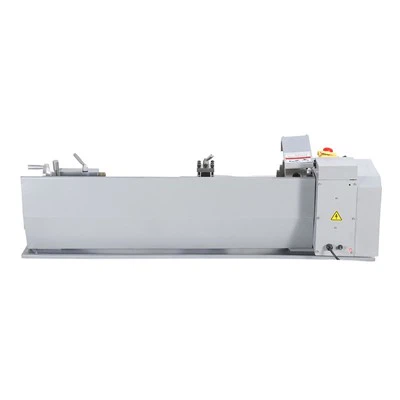
While Arbor Presses offer many advantages, it’s important to be aware of their limitations and disadvantages. The limited force capacity, manual operation, limited stroke length, lack of automation, limited versatility, maintenance requirements, and cost are all factors that potential buyers should consider when evaluating whether an Arbor Press is the right choice for their needs.
Wood Lathes As a supplier of Arbor Presses, I understand that every customer’s needs are unique. That’s why I’m committed to providing personalized solutions and helping my customers choose the right Arbor Press for their specific applications. If you’re considering purchasing an Arbor Press, I encourage you to contact me to discuss your requirements and learn more about the options available. I’m here to help you make an informed decision and ensure that you get the most out of your investment.
References
- "Arbor Presses: Types, Applications, and Considerations." Machinery’s Handbook, 31st Edition. Industrial Press, 2016.
- "Presses: Selection and Use." Manufacturing Engineering Handbook, 2nd Edition. CRC Press, 2018.
- "Manual Arbor Presses: A Guide to Selection and Operation." The Fabricator, 2020.
YS Machine Tools Co., Ltd.
We’re well-known as one of the leading arbor press suppliers in China, featured by quality products and good service. Please rest assured to buy customized arbor press at competitive price from our factory. Contact us for more details.
Address: 300 Sandusky st, Ohio, 43611, USA
E-mail: yishoumachinetools@gmail.com
WebSite: https://www.ysmachinetool.com/
