As a supplier of impellers, I often get asked about the optimal speed for an impeller. This is a critical question that can significantly impact the performance, efficiency, and lifespan of impeller – based systems. In this blog, we’ll delve into the factors that determine the optimal impeller speed and why finding that sweet spot is so important. Impeller
Understanding the Basics of Impeller Operation
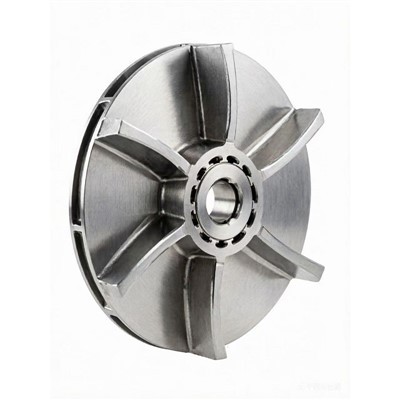
Before we discuss the optimal speed, it’s essential to understand what an impeller does. An impeller is a rotating component equipped with vanes or blades that are used in pumps, compressors, blowers, and other fluid – handling devices. Its primary purpose is to transfer energy to a fluid (either liquid or gas), thereby increasing the fluid’s pressure and velocity.
When the impeller rotates, it creates a centrifugal force. This force flings the fluid outwards from the center of the impeller towards the outer edges. As the fluid moves outward, it gains kinetic energy, which can then be converted into pressure energy. The speed at which the impeller rotates dictates how much energy is imparted to the fluid.
Factors Affecting the Optimal Impeller Speed
1. Design and Geometry of the Impeller
Each impeller has a unique design based on its intended application. The number of blades, blade shape, and the diameter of the impeller all play a role in determining the optimal speed. For example, an impeller with a larger diameter may require a lower rotational speed to achieve the same level of fluid flow and pressure increase as a smaller impeller.
The blade shape also matters. Some impellers have curved blades, while others have straight blades. Curved blades are often designed to minimize turbulence and improve the efficiency of fluid transfer. These types of impellers may have different optimal speed ranges compared to impellers with straight blades.
2. Type of Fluid
The physical properties of the fluid being handled are crucial when determining the optimal impeller speed. For liquids, factors such as viscosity and density are significant. High – viscosity fluids, like oils, require more energy to move compared to low – viscosity fluids, such as water. As a result, impellers handling high – viscosity fluids may need to operate at a slower speed to avoid excessive power consumption and mechanical stress.
In the case of gases, the compressibility of the gas is an important consideration. Compressible gases, like air, behave differently under different impeller speeds. Higher speeds can lead to compression effects, which may be desirable in some applications, such as in air compressors, but require careful consideration to prevent unwanted shockwaves and other flow instabilities.
3. System Requirements
The specific requirements of the overall system in which the impeller is installed are perhaps the most important factor in determining the optimal speed. These requirements can include the desired flow rate, pressure increase, and efficiency.
In a pumping system, for example, if the goal is to deliver a large volume of water at a relatively low pressure, the impeller may need to operate at a higher speed to achieve the required flow rate. On the other hand, if the system needs to generate a high pressure with a relatively low flow rate, a slower speed combined with a more appropriate impeller design may be necessary.
Consequences of Incorrect Impeller Speed
1. Inefficiency
Operating an impeller at an incorrect speed can lead to significant inefficiencies. If the speed is too low, the impeller may not be able to impart enough energy to the fluid, resulting in a low flow rate and insufficient pressure increase. This means that the system will have to work harder and consume more energy to achieve the desired results.
Conversely, if the speed is too high, the impeller may create excessive turbulence and friction, which also wastes energy. In addition, high – speed operation can cause the fluid to cavitate in liquid – handling applications. Cavitation occurs when the local pressure in the fluid drops below the vapor pressure, causing the formation of vapor bubbles. When these bubbles collapse, they can cause damage to the impeller blades and reduce the overall efficiency of the system.
2. Reduced Lifespan
Operating an impeller at an improper speed can also shorten its lifespan. High – speed operation can subject the impeller to increased mechanical stress, leading to fatigue and potential failure of the blades. Additionally, cavitation, which can occur at high speeds, can cause pits and erosion on the impeller surface, further weakening the impeller over time.
Low – speed operation may seem less damaging, but it can also cause problems. For example, if the impeller is not rotating fast enough to keep the fluid moving properly, sediment and debris may accumulate on the impeller blades. This can imbalance the impeller, causing vibrations and additional stress on the bearings and other components of the system.
How to Determine the Optimal Impeller Speed
1. Manufacturer’s Recommendations
The impeller manufacturer is an excellent source of information regarding the optimal speed. Manufacturers typically conduct extensive testing on their impellers to determine the speed ranges that provide the best performance, efficiency, and reliability. They will often provide this information in the product documentation or technical specifications.
When selecting an impeller for a specific application, it’s important to follow the manufacturer’s recommendations as closely as possible. However, it’s also important to note that these recommendations are based on ideal conditions, and real – world applications may require some adjustments.
2. Computational Fluid Dynamics (CFD)
Computational Fluid Dynamics is a powerful tool that can be used to simulate the flow of fluid through an impeller at different speeds. CFD software uses mathematical equations to model the behavior of the fluid and predict the performance of the impeller.
By using CFD, engineers can analyze the effects of different impeller speeds on factors such as flow rate, pressure distribution, and turbulence. This allows them to optimize the impeller speed for a specific application and make any necessary design modifications before the impeller is manufactured.
3. Field Testing
In some cases, the best way to determine the optimal impeller speed is through field testing. This involves installing the impeller in the actual system and measuring its performance at different speeds. By collecting data on factors such as flow rate, pressure, power consumption, and efficiency, engineers can identify the speed that provides the best overall performance.
Field testing also allows for the identification of any real – world issues that may not have been apparent during laboratory testing or CFD simulations. For example, factors such as system vibrations, fluid contamination, and changes in ambient conditions can all affect the performance of the impeller.
Conclusion

Finding the optimal speed for an impeller is a complex but crucial task. It requires a thorough understanding of the impeller’s design, the properties of the fluid being handled, and the requirements of the overall system. By considering these factors and using appropriate methods such as following manufacturer’s recommendations, CFD simulations, and field testing, it’s possible to determine the speed that will provide the best performance, efficiency, and lifespan for the impeller.
Fan Impeller As a supplier of impellers, I am committed to helping our customers find the optimal impeller speed for their applications. Our team of experienced engineers can provide expert advice and support, whether you’re designing a new system or looking to optimize an existing one. If you’re interested in discussing your impeller requirements or need assistance with determining the optimal speed, please don’t hesitate to contact us for a procurement discussion. We look forward to hearing from you and helping you achieve the best results with our impellers.
References
- “Fluid Mechanics” by Frank M. White
- “Pump Handbook” by Igor Karassik et al.
- Manufacturer’s technical documentation for various impeller models.
Shandong Shunye Stainless Steel Co., Ltd.
Shandong Shunye Stainless Steel Co., Ltd. is one of the most professional impeller manufacturers and suppliers in China, also supports customized service. Welcome to buy bulk cheap impeller made in China here and get quotation from our factory. For price consultation, contact us.
Address: Shandong Province, Binzhou City, Wudi County, Liubao Town, Zhangdong Road, Duliucun Village
E-mail: sales@wdshunye.com
WebSite: https://www.shunyecasting.com/
