When contemplating the question of whether construction gloves can be used in food – related construction, we need to delve into multiple aspects that revolve around safety, hygiene, and regulatory compliance. As a construction gloves supplier, I’ve witnessed the increasing demand for gloves in various industries, and the food – related construction field is no exception. However, a simple yes – or – no answer doesn’t do justice to this complex query. Construction Gloves

Understanding Construction Gloves and Their Characteristics
Construction gloves are primarily designed to protect workers’ hands in building and construction environments. They are engineered to withstand harsh conditions such as abrasions, cuts, punctures, and chemical splashes. Materials commonly used in their production include leather, synthetic polymers like nitrile, and fabrics reinforced with high – strength fibers.
Leather gloves are favored for their durability and resistance to wear and tear. They can handle rough handling of building materials, power tool operations, and exposure to sharp edges. Synthetic polymer gloves, on the other hand, are known for their chemical resistance and dexterity. Nitrile gloves, for instance, offer great protection against oils, greases, and many common chemicals found on construction sites.
But these characteristics that make them ideal for construction work may not necessarily translate well to food – related construction scenarios.
Hygiene Considerations
One of the most critical factors in food – related construction is hygiene. Food safety regulations are stringent in ensuring that any products or materials in contact with food are free from contaminants. Construction gloves can accumulate dirt, debris, and other harmful substances from the building site. For example, dust particles may contain heavy metals like lead or asbestos if the construction involves older buildings. These contaminants can easily transfer to food products if the gloves are used in food – related areas without proper cleaning and decontamination.
Even if the gloves are clean, the materials used in construction gloves may not meet the food – grade standards. Leather gloves may have been treated with dyes, preservatives, or waterproofing agents that are not safe for food contact. Similarly, synthetic polymers may leach chemicals when exposed to high temperatures, certain food substances, or prolonged contact.
Moreover, the rough texture of some construction gloves can harbor bacteria and other microorganisms. In food – related construction, where the risk of cross – contamination is high, having gloves that can be easily cleaned and sanitized is crucial. Construction gloves, which are designed for robustness rather than ease of sanitization, may not be the best choice in this regard.
Regulatory Compliance
Food safety regulations around the world impose strict requirements on the materials used in food processing and construction. For example, the US Food and Drug Administration (FDA) has specific guidelines on substances that can come into contact with food. These regulations ensure that no harmful chemicals or substances migrate from the materials to the food.
Most construction gloves are not manufactured with these food – related regulations in mind. Using construction gloves in food – related construction can lead to non – compliance issues, which can result in hefty fines, legal actions, and damage to a company’s reputation.
A food – related construction project must adhere to Hazard Analysis and Critical Control Points (HACCP) principles. These principles require that all potential hazards in the food production process are identified and controlled. Using non – suitable gloves can introduce risks that are difficult to manage under HACCP, especially if they are not part of a well – defined safety protocol.
Situations Where Adaptation Might Work
Despite the numerous challenges, there are some situations where construction gloves can potentially be used in a modified or controlled way in food – related construction.
In the initial stages of construction, when the work is mainly structural and not in direct contact with food production areas, construction gloves can be worn as normal. For example, during the building of the foundation, framing of the walls, or installation of plumbing systems in a food processing facility, the risk of cross – contamination is minimal. However, the workers need to be trained to change gloves and follow strict hygiene procedures before entering areas where food is handled or processed.
Another scenario is when the construction gloves are specifically treated and certified to be food – safe. Some manufacturers are starting to develop hybrid gloves that combine the strength of construction gloves with the hygiene requirements of the food industry. These gloves are made from materials that are both durable and meet food – contact standards, and they can be sterilized using common food – industry sanitization methods.
Challenges and Precautions
If construction gloves are to be used in food – related construction, several challenges need to be addressed. Firstly, a clear demarcation should be made between construction areas and food – handling areas. Workers must be trained to remove their construction gloves before entering the food – related zones and put on appropriate food – grade gloves.
Secondly, a regular inspection and cleaning regime for the gloves should be established. This includes checking for signs of wear and tear, as damaged gloves are more likely to harbor contaminants. Cleaning methods need to be developed that are effective in removing dirt and debris while not degrading the gloves’ integrity.
The Importance of Education and Training
Regardless of whether construction gloves can be used in food – related construction, education and training of workers are paramount. Workers need to understand the potential risks associated with using gloves in the wrong context. They should be aware of the hygiene practices required in food – related areas and the regulatory implications of non – compliance.
Training programs can also cover glove selection. Workers should be able to identify the appropriate gloves for different tasks, whether it’s standard construction gloves for non – food areas or food – grade gloves for food – handling tasks. This knowledge helps in reducing the chances of contamination and ensuring a safe working environment.
Conclusion
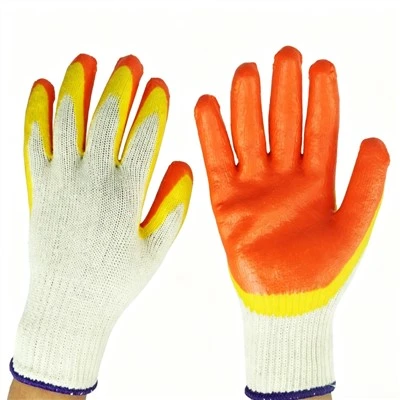
In summary, while construction gloves have their place in the building and construction industry, their use in food – related construction is a nuanced issue. In general, due to hygiene and regulatory concerns, standard construction gloves are not suitable for direct use in food – handling areas. However, in certain non – food contact situations during construction, they can be used with proper precautions. The development of hybrid gloves that meet both construction and food – safety standards shows promise for future applications.
Cut-resistant Gloves As a construction gloves supplier, I understand the importance of providing our customers with appropriate products for their specific needs. If you are involved in food – related construction projects or have any questions regarding glove selection and safety, I invite you to reach out to our team for more in – depth discussions and to explore the best glove solutions for your requirements. We are committed to helping you maintain a high – standard of safety and compliance in your projects.
References
- Food and Drug Administration (FDA). "Food Contact Substances Notification Program."
- Hazard Analysis and Critical Control Points (HACCP) Principles, Codex Alimentarius Commission.
- International Organization for Standardization (ISO) standards related to personal protective equipment and food safety.
Shanghai Haokuo Security Technology Co., Ltd.
With abundant experience, we are one of the most professional construction gloves manufacturers and suppliers in China. We warmly welcome you to wholesale premium construction gloves in stock here and get free sample from our factory. All customized products are with high quality and low price.
Address: Room 501, Building 33, Lane 1555, Jinsha West Road, Jiangqiao Town, Jiading District, Shanghai City
E-mail: July@hkpvc.com
WebSite: https://www.hkglove.com/
