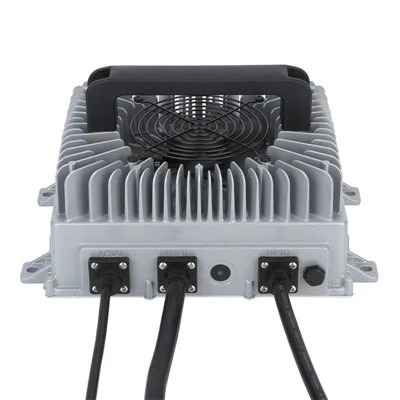
As a provider of forklift chargers, I’ve encountered numerous situations where customers reach out, frustrated because their forklift chargers won’t start. This issue can be a significant headache, halting operations and causing unplanned downtime. In this blog, I’ll share my experiences and expertise on troubleshooting a forklift charger that refuses to start. Forklift Charger
Initial Checks: The Basics
Before delving into complex electrical diagnostics, it’s essential to perform some basic checks. These are the first steps I recommend to anyone facing a non – starting forklift charger.
Power Supply
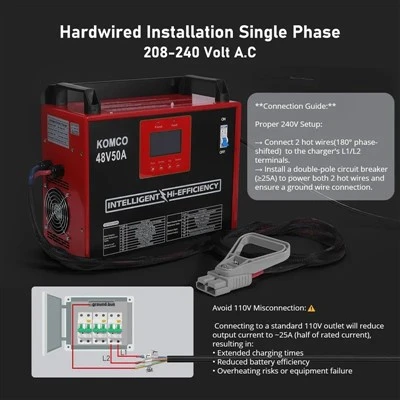
The most straightforward explanation for a non – starting charger could be a problem with the power supply. First, ensure that the charger is properly plugged into a functioning electrical outlet. Sometimes, the plug may have become loose over time or due to vibrations. Check the power cord for any visible signs of damage, such as cuts or frayed wires. If the cord appears damaged, it should be replaced immediately to avoid electrical hazards.
I’ve had customers who spent hours troubleshooting more complex issues when the problem was as simple as a tripped circuit breaker. Locate the circuit breaker for the outlet where the charger is plugged in and check if it has been tripped. If so, reset it and see if the charger starts. If the breaker trips again, there may be a short circuit in the charger or the electrical system, which requires further investigation.
Charger Connections
Inspect the connections between the charger and the forklift battery. Loose or corroded connections can prevent the charger from functioning correctly. Over time, battery acid can cause corrosion on the terminals, which disrupts the flow of electricity. Use a wire brush to clean the terminals and ensure a tight connection.
It’s also important to check the polarity of the connections. Forklift chargers are designed to work with a specific polarity, and incorrect connections can not only prevent the charger from starting but also damage the charger and the battery.
Diagnostic Tools and Techniques
If the basic checks don’t resolve the issue, it’s time to use some diagnostic tools. As a forklift charger supplier, I often recommend the following tools for troubleshooting.
Multimeter
A multimeter is an essential tool for electrical troubleshooting. It can measure voltage, current, and resistance. To check if the charger is receiving power, set the multimeter to measure AC voltage and connect the probes to the input terminals of the charger. If the multimeter shows no voltage, there may be a problem with the power supply or the internal wiring of the charger.
To check the internal electrical components of the charger, you can measure the resistance of various parts. For example, you can measure the resistance of the transformer or the rectifier. A significantly higher or lower resistance than the specified value may indicate a faulty component.
Visual Inspection
A thorough visual inspection of the charger can also reveal potential problems. Look for any signs of overheating, such as burnt components or discolored wiring. Overheating can be caused by a variety of factors, including a short circuit, a malfunctioning component, or poor ventilation.
Check for any loose or broken wires inside the charger. Vibration during operation can cause wires to come loose, and physical damage can break them. If you find any loose or broken wires, they should be reconnected or replaced.
Common Problems and Solutions
Based on my experience as a forklift charger supplier, here are some of the most common problems that can cause a charger not to start and their solutions.
Faulty Power Switch
The power switch is one of the most frequently used components in a forklift charger, and it can wear out over time. If the power switch is faulty, the charger may not receive power even when it is plugged in. To test the power switch, use a multimeter to check for continuity. If there is no continuity when the switch is in the "on" position, it needs to be replaced.
Malfunctioning Circuit Board
The circuit board in a forklift charger controls many of its functions, and a malfunctioning circuit board can prevent the charger from starting. Circuit board problems can be caused by a variety of factors, including electrical surges, overheating, and component failure.
If you suspect a problem with the circuit board, it’s best to consult the manufacturer’s manual or contact a professional technician. In some cases, the circuit board may need to be replaced, which requires specialized knowledge and skills.
Battery Issues
Sometimes, the problem may not be with the charger itself but with the forklift battery. A dead or severely discharged battery may not be able to accept a charge from the charger. Use a battery tester to check the state of charge of the battery. If the battery is completely dead, you may need to use a jump – start charger or replace the battery.
Advanced Troubleshooting
If the above steps don’t solve the problem, it may be necessary to perform more advanced troubleshooting. This may involve opening the charger and inspecting its internal components in detail. However, this should only be done by a qualified technician, as working with electrical components can be dangerous.
The technician can use specialized diagnostic equipment to test the charger’s internal circuits and components. They can also use the charger’s service manual to identify any error codes or diagnostic procedures specific to the model.
Preventive Maintenance
To avoid the hassle of troubleshooting a non – starting forklift charger in the first place, it’s important to perform regular preventive maintenance. Here are some tips:
- Keep the charger clean: Dust and debris can accumulate inside the charger, causing overheating and component failure. Use a compressed air can to blow out any dust from the charger’s ventilation openings regularly.
- Inspect the charger regularly: Check the charger for any signs of damage or wear, such as loose connections, frayed wires, or burnt components. Address any issues immediately.
- Follow the manufacturer’s guidelines: Each forklift charger is designed with specific operating requirements. Follow the manufacturer’s instructions for charging, storage, and maintenance to ensure the charger’s longevity.
Conclusion
Troubleshooting a forklift charger that won’t start can be a challenging but manageable task. By following the steps outlined in this blog, you can often identify and resolve the problem on your own. However, if you’re unsure or if the problem persists, it’s always best to seek the help of a professional technician.
Car Battery Charger As a supplier of forklift chargers, I’m committed to providing high – quality products and excellent customer service. If you’re experiencing problems with your forklift charger or are looking to purchase a new one, I encourage you to reach out. Our team of experts is ready to assist you with any questions or concerns you may have. Whether you need help with troubleshooting, maintenance advice, or are interested in our latest charger models, we’re here to support you. Contact us to discuss your requirements and explore the best solutions for your forklift charging needs.
References
- Forklift Charger Manufacturer’s Manuals
- Electrical Troubleshooting Guides
- Industry Standards for Forklift Charger Maintenance
Huizhou Qiangfeng Power Technology Co., Ltd.
Huizhou Qiangfeng Power Technology Co., Ltd. is one of the most professional forklift charger manufacturers and suppliers in China, featured by quality products and good service. We warmly welcome you to buy customized forklift charger made in China here from our factory. If you have any enquiry about quotation and free sample, please feel free to email us.
Address: No. 28, Hu’ao Avenue, Shiwan Town, Boluo County, Huizhou City, Guangdong Province
E-mail: Komco@Jinlidianqi.cn
WebSite: https://www.autobatterychargers.com/
