Hey there! I’m a rep from an industrial hydraulic systems supplier, and I’m stoked to share some tips on operating directional control valves in an industrial hydraulic system. These valves are like the traffic cops of your hydraulic setup, directing the flow of fluid where it needs to go. So, let’s dive in and get you up to speed on how to handle ’em like a pro. Industrial Hydraulic Systems
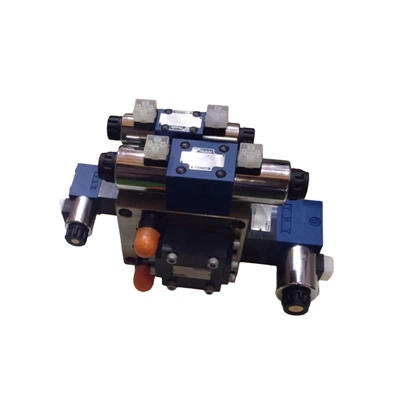
Understanding Directional Control Valves
First off, let’s talk about what directional control valves are and what they do. In a nutshell, these valves control the direction of hydraulic fluid flow in your system. They can open, close, or redirect the fluid to different parts of the hydraulic circuit, which is crucial for making your machinery move and function the way it’s supposed to.
There are a few different types of directional control valves, but the most common ones are spool valves and poppet valves. Spool valves use a sliding spool to control the flow, while poppet valves use a spring-loaded disc or poppet. Each type has its own pros and cons, and the choice between them depends on your specific application and system requirements.
Pre-Operation Checks
Before you start operating a directional control valve, it’s super important to do a few pre-operation checks. This helps ensure that everything is in good working condition and reduces the risk of any issues down the line.
- Visual Inspection: Take a good look at the valve and the surrounding area. Check for any signs of damage, like cracks, leaks, or loose connections. Make sure all the mounting bolts are tight and that the valve is properly aligned.
- Fluid Check: Check the hydraulic fluid level and condition. The fluid should be clean and free of contaminants. If the fluid looks dirty or has debris in it, it might be time for a change. Also, make sure the fluid is at the correct temperature, as extreme temperatures can affect the valve’s performance.
- Electrical Connections: If your valve is electrically operated, check the electrical connections. Make sure the wires are securely attached and that there are no signs of corrosion or damage. A loose or damaged connection can cause the valve to malfunction.
Operating the Valve
Once you’ve done your pre-operation checks, it’s time to start operating the valve. Here are the basic steps:
- Power Up: If your valve is electrically operated, turn on the power supply. Make sure the control panel or switch is set to the correct position. If it’s a manual valve, you’ll need to use a lever or handle to operate it.
- Initial Testing: Before you start using the valve in your normal operation, do a quick test. Slowly actuate the valve and observe the fluid flow. Make sure the valve is opening and closing smoothly and that the flow is going in the right direction. If you notice any strange noises, vibrations, or irregularities, stop the operation immediately and check for problems.
- Normal Operation: Once you’re confident that the valve is working properly, you can start using it in your normal production process. Make sure to follow the operating instructions for your specific machinery and hydraulic system. Different applications may require different valve settings and actuation times.
Controlling the Valve
There are a few different ways to control a directional control valve, depending on the type of valve and your system requirements.
- Manual Control: Manual valves are controlled by a lever or handle. You can use your hand to move the lever to the desired position, which opens or closes the valve and directs the fluid flow. Manual control is simple and straightforward, but it’s not very precise and may not be suitable for applications that require frequent or rapid changes in valve position.
- Electrical Control: Electrically operated valves are controlled by an electrical signal. You can use a control panel, switch, or a programmable logic controller (PLC) to send the signal to the valve. Electrical control allows for more precise and automated operation, and it’s commonly used in modern industrial hydraulic systems.
- Pneumatic Control: Some valves are controlled by compressed air. Pneumatic control is often used in applications where electrical control is not suitable, such as in hazardous environments. Pneumatic valves are actuated by air pressure, which can be controlled by a pneumatic solenoid valve or a manual air control valve.
Maintenance and Troubleshooting
To keep your directional control valves working properly, regular maintenance is a must. Here are some maintenance tips:
- Cleaning: Periodically clean the valve and its components to remove dirt, debris, and contaminants. You can use a clean cloth or a mild solvent to clean the outside of the valve. Make sure to follow the manufacturer’s instructions when cleaning the internal parts.
- Lubrication: Some valves require lubrication to keep them operating smoothly. Check the valve’s manual to see if lubrication is needed and what type of lubricant to use. Apply the lubricant as recommended.
- Seal Replacement: Over time, the seals in the valve may wear out and cause leaks. Inspect the seals regularly and replace them if necessary. Make sure to use the correct type of seals for your valve.
When it comes to troubleshooting, here are some common issues and how to fix them:
- Leaking Valve: If you notice a leak, check the seals and connections first. Tighten any loose connections and replace any worn or damaged seals. If the leak persists, there may be a problem with the valve itself, and you may need to have it repaired or replaced.
- Valve Not Opening or Closing: If the valve is not opening or closing properly, check the electrical connections (if it’s an electrically operated valve), the control signal, and the valve mechanism. Make sure there is no blockage or damage inside the valve. You may need to clean or repair the valve to get it working again.
- Erratic Operation: If the valve is operating erratically, it could be due to a problem with the control system, the fluid quality, or the valve itself. Check the control settings, the fluid level and condition, and the valve for any signs of damage or malfunction.
Safety Considerations
Operating directional control valves in an industrial hydraulic system can be dangerous if you don’t take the right safety precautions. Here are some safety tips:
- Wear Protective Gear: Always wear appropriate protective gear, such as safety glasses, gloves, and safety shoes. Hydraulic fluid can be hot and pressurized, and it can cause serious injuries if it comes into contact with your skin or eyes.
- Follow Lockout/Tagout Procedures: When performing maintenance or repairs on the valve or the hydraulic system, follow the lockout/tagout procedures to prevent accidental startup. This helps ensure your safety and the safety of others in the area.
- Be Aware of Hydraulic Pressure: Hydraulic systems operate at high pressures, so be aware of the potential hazards. Never attempt to make adjustments or repairs on a pressurized system. Always relieve the pressure before working on the valve or any other component of the hydraulic system.
Conclusion

Operating directional control valves in an industrial hydraulic system requires a good understanding of how they work, proper pre-operation checks, and regular maintenance. By following the tips and guidelines I’ve shared here, you can ensure that your valves operate smoothly and efficiently, and that your hydraulic system runs without any major issues.
Tie Rod Cylinder If you’re in the market for high-quality directional control valves or other industrial hydraulic system components, we’re here to help. We’ve got a wide range of products to meet your specific needs, and our team of experts can provide you with the support and guidance you need to make the right choices. So, don’t hesitate to reach out to us for a consultation and let’s talk about how we can help you optimize your hydraulic system.
References
- "Industrial Hydraulic Systems Handbook"
- "Hydraulic Valve Technology Guide"
- Manufacturer’s manuals for directional control valves
Wuhu Zhongye Fluid Equipment Co., Ltd.
We are one of the most experienced industrial hydraulic systems manufacturers and suppliers in China, specialized in providing high quality customized products. Please feel free to wholesale bulk durable industrial hydraulic systems in stock here from our factory. Contact us for quotation.
Address: No. 2, Hexing Road, Sanshan District, Wuhu City, Anhui Province
E-mail: zhongyehydro20@163.com
WebSite: https://www.zhongyehydro.com/
