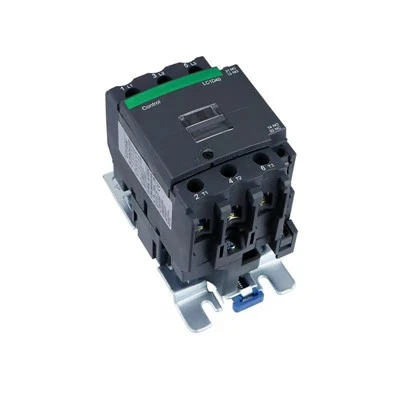
As a supplier of LV Pole Mounted Circuit Breakers, I often encounter inquiries from customers regarding the proper way to connect these essential devices, specifically about series and parallel connections. Understanding the considerations when making these connections is crucial for ensuring the safety, efficiency, and longevity of electrical systems. In this blog post, I’ll share my insights on what you need to keep in mind when connecting LV Pole Mounted Circuit Breakers in series or parallel. LV Pole Mounted Circuit Breakers
Series Connection of LV Pole Mounted Circuit Breakers
Current Rating
One of the primary considerations when connecting LV Pole Mounted Circuit Breakers in series is the current rating. In a series connection, the current flowing through each circuit breaker is the same. Therefore, it’s essential to select circuit breakers with appropriate current ratings that can handle the expected load current. If the current rating of a circuit breaker is too low, it may trip frequently, causing disruptions to the electrical system. On the other hand, if the current rating is too high, the circuit breaker may not provide adequate protection in the event of an overcurrent or short – circuit.
For example, if you have an electrical system with an expected maximum current of 200A, you should choose circuit breakers with a current rating equal to or slightly higher than 200A. It’s also important to consider any potential future load increases, as this may require selecting circuit breakers with a higher current rating to accommodate growth.
Voltage Rating
The voltage rating is another critical factor in a series connection. The total voltage across the series – connected circuit breakers is divided among them. Each circuit breaker must be able to withstand its share of the total voltage. When selecting circuit breakers for a series connection, ensure that the sum of their voltage ratings is sufficient to handle the system voltage. For instance, in a 480V system, if you are using two circuit breakers in series, each breaker should have a voltage rating that can handle at least 240V.
Coordination
Coordination between series – connected circuit breakers is vital for proper protection. In the event of a fault, the circuit breaker closest to the fault should trip first to isolate the faulty section of the circuit while keeping the rest of the system operational. This requires careful selection of circuit breakers with appropriate time – current characteristics.
There are two main types of coordination: selective coordination and non – selective coordination. Selective coordination ensures that only the circuit breaker closest to the fault trips, while non – selective coordination may result in multiple circuit breakers tripping. For most applications, selective coordination is preferred as it minimizes downtime and reduces the impact of faults on the electrical system.
Fault Current Interrupting Capacity
The fault current interrupting capacity of each circuit breaker in a series connection must be considered. The circuit breakers should be able to interrupt the maximum fault current that can occur in the system. If a circuit breaker’s interrupting capacity is too low, it may fail to interrupt the fault current, leading to equipment damage, electrical fires, or other safety hazards.
Parallel Connection of LV Pole Mounted Circuit Breakers
Current Sharing
When connecting LV Pole Mounted Circuit Breakers in parallel, current sharing is a major concern. The goal is to ensure that each circuit breaker in the parallel arrangement carries an equal or nearly equal share of the total load current. Uneven current sharing can cause some circuit breakers to carry more current than others, leading to overheating and premature failure.
To achieve proper current sharing, the circuit breakers should have similar impedance characteristics. This includes factors such as resistance, inductance, and capacitance. Additionally, the connection cables should be of the same length, cross – sectional area, and material to minimize differences in impedance.
Synchronous Operation
Parallel – connected circuit breakers should operate synchronously. This means that they should close and open at the same time to avoid creating a short – circuit or an overcurrent condition. Synchronous operation can be achieved through proper control and coordination mechanisms, such as using a common control circuit or a master – slave arrangement.
Overcurrent Protection
Each circuit breaker in a parallel connection must provide adequate overcurrent protection. Although the total current is shared among the parallel – connected circuit breakers, individual protection for each breaker is still necessary. This ensures that in case of a fault in one of the breakers or a section of the parallel circuit, the affected breaker can trip independently to protect the system.
Voltage and Frequency Compatibility
Parallel – connected circuit breakers must be compatible in terms of voltage and frequency. They should be designed to operate within the same voltage range and frequency as the electrical system. Any differences in voltage or frequency can lead to problems such as circulating currents, which can cause instability and damage to the circuit breakers.
General Considerations for Both Series and Parallel Connections
Environmental Conditions
The environmental conditions where the LV Pole Mounted Circuit Breakers are installed can significantly affect their performance. Factors such as temperature, humidity, dust, and vibration can impact the operation of the circuit breakers. For example, high temperatures can reduce the current – carrying capacity of the circuit breakers, while excessive humidity can cause corrosion.
It’s important to select circuit breakers that are suitable for the specific environmental conditions of the installation site. This may involve choosing circuit breakers with appropriate enclosures, coatings, or cooling mechanisms.
Maintenance and Testing
Regular maintenance and testing are essential for both series and parallel – connected LV Pole Mounted Circuit Breakers. Maintenance activities may include cleaning, lubricating, and tightening connections. Testing should be performed periodically to ensure that the circuit breakers are operating correctly and that their protective functions are intact.
This includes testing the tripping time, interrupting capacity, and current – sharing (for parallel connections). Proper maintenance and testing can help prevent unexpected failures and ensure the long – term reliability of the electrical system.
Safety
Safety should always be the top priority when connecting LV Pole Mounted Circuit Breakers. This includes following all relevant electrical safety standards and regulations. When working with live electrical circuits, appropriate personal protective equipment (PPE) should be worn, and proper lock – out/tag – out procedures should be followed.
Making the Right Decision
When deciding whether to connect LV Pole Mounted Circuit Breakers in series or parallel, it’s important to evaluate the specific requirements of the electrical system. Consider factors such as load characteristics, fault current levels, system voltage, and environmental conditions. Consult with a qualified electrical engineer if you are unsure about the best approach.
As a supplier of LV Pole Mounted Circuit Breakers, I am committed to providing high – quality products and expert advice to help you make the right choices. Whether you need assistance in selecting the appropriate circuit breakers or guidance on proper installation and connection, I’m here to support you.
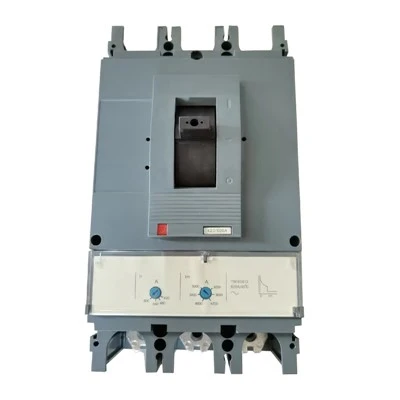
Molded Case Circuit Breakers If you are in the process of planning an electrical project or need to upgrade your existing system, I encourage you to reach out for a discussion. Our team of experts can work with you to understand your needs and recommend the most suitable LV Pole Mounted Circuit Breakers and connection methods. Contact us today to start the conversation and take the first step towards a safe and efficient electrical system.
References
- "Electrical Power Systems Quality", by Roger C. Dugan, Mark F. McGranaghan, and H. Wayne Beaty
- "Switchgear Handbook", by Cooper Power Systems
- National Electrical Code (NEC)
Wenzhou Lanen Electrical Co., Ltd.
Wenzhou Lanen Electrical Co., Ltd. is one of the most professional lv pole mounted circuit breakers manufacturers and suppliers in China, also supports customized service with low price. Please feel free to buy CE approved lv pole mounted circuit breakers made in China here from our factory. Contact us for more discount information.
Address: Zhiguang Liushi Town Yueqing City Wenzhou City Zhejiang Province
E-mail: lanen@luyele.cn
WebSite: https://www.lanenelectrical.com/
