If you’ve ever worked in manufacturing, energy processing, automotive production, or even commercial food service, you’ve definitely relied on auxiliary equipment—even if you’ve never stopped to name it. As someone who’s spent 12 years selling and troubleshooting this gear, I can tell you it’s the unsung backbone of every operation that’s not the main event itself. Let’s break this down in plain, real-talk terms, no stuffy engineering jargon, and skip the corporate fluff. Auxiliary Equipment
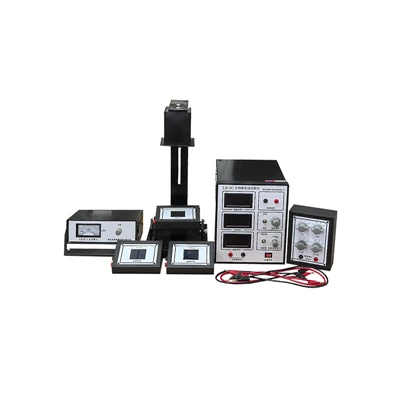
First, let’s kill the most common misconception: auxiliary equipment isn’t “extra stuff that doesn’t matter.” If you try running a factory’s main assembly line without the compressors that power its robotic arms, or a farm’s harvest line without the grain dryers that keep your grain from spoiling, your whole main operation comes to a grinding halt. It’s not the star of the show—like, a CNC milling machine is the main star making parts, right? The auxiliary gear is the crew bringing the star their coffee, holding their script, and fixing their mic when it glitches. That’s not a side note, that’s how the play goes on.
Now, let’s get specific about what it actually is, because there’s a lot of vague definitions out there. Auxiliary equipment (we often shorten it to “aux gear” around the shop, if you’re curious) is a category of industrial, commercial, or even some residential gear that supports the core primary process of a facility, asset, or system. It doesn’t directly create, manufacture, or deliver the end product or service—but it’s non-negotiable for that core process to work safely, efficiently, and without breakdowns. Let’s use real examples to make this click, because examples beat textbooks every time.
Take a manufacturing plant that makes plastic water bottles. The core process is molding molten plastic into bottle shapes, cooling them, and trimming excess plastic. What’s the main equipment here? The injection molding machines, obviously. The auxiliary equipment that keeps them running? Let’s list ‘em: first, the industrial air compressors that pump compressed air to open and close the molding molds, and power the robotic arms that move finished bottles to packaging. Then, there’s the chiller systems that cool the molds—mold temperatures off by even 2 degrees and your bottles get warped, which is waste. There’s also the material handling systems that carry raw plastic pellets to the molding machines, not the main conveyor that moves finished bottles, the one that feeds the raw stuff. Even the dust extraction units that pull plastic dust out of the air near the molding machines? That’s auxiliary too—keep workers safe, and keep the machines from getting clogged.
Another example: a power plant. The core process here is burning fuel (or using nuclear fission) to heat water into steam, spin a turbine, and generate electricity. What’s auxiliary? The fuel storage and delivery systems that bring coal or natural gas to the boiler, the water treatment plants that purify the water before it’s turned to steam, the cooling towers that keep the turbine from overheating, the control panels that monitor all that stuff (wait, no—wait, the control systems might be semi-core, but the cooling towers are definitely aux, because their whole job is supporting the turbine’s main function). Oh, and the emergency generators? Those are auxiliary too—their only job is supporting the whole power plant if the main grid goes down, so the plant doesn’t shut off mid-operation.
Even smaller stuff, like a local bakery’s commercial oven? The core process is baking bread. The auxiliary equipment would be the proofing cabinets that let dough rise before baking, the dough dividers that cut dough into loaves, the refrigeration units that hold unused dough and ingredients, and even the ventilation hood above the oven that pulls out all the heat and smoke. None of those make the bread themselves, but skip ‘em and you’re either burning loaves, wasting ingredients, or tripping the fire alarm. That’s auxiliary.
Now, let’s talk about the different types of auxiliary gear, because it’s not one-size-fits-all, and if you’re in the market for it, knowing the difference matters. We break most of our inventory into four main categories, based on what they do:
- Utility Support Equipment: This is the stuff that makes the “utilities” (air, water, power) that the main process lives on. Think compressors, chillers, pumps, generators, air dryers (to keep compressed air from getting too moist and ruining tools), water filtration systems. This is the biggest chunk of auxiliary gear, by far.
- Material Handling & Processing Auxiliary: Wait, no—this is gear that moves or prepares material for the main process, not the main conveyor or machine. So, like, the hoppers that feed raw material to molding machines, the cranes that move heavy parts around a factory, the labeling machines that put stickers on bottles after they’re molded (wait, is that aux? Yeah, because the core is molding the bottle, labeling is a secondary step that supports getting the finished product to market).
- Safety & Compliance Auxiliary: This is the stuff that keeps people and gear from getting hurt, and follows rules. Dust extraction I mentioned earlier, fire suppression systems, personal protective equipment (PPE) storage lockers, gas detectors that alert you if there’s a leak. A lot of first-time buyers forget this part, but OSHA and other regulators make this non-negotiable.
- Environmental & Efficiency Auxiliary: This is the gear that cuts waste and keeps operations green, which is huge right now. Things like heat exchangers that reuse waste heat from boilers to warm water for the facility, condensate return systems that capture water that would otherwise be wasted, and air pollution control systems that filter exhaust before it goes out the chimney. We’ve had so many clients come to us recently because they’re getting pressure to lower their carbon footprint, and this aux gear is where they start.
Wait, let’s clear up a common mix-up: auxiliary equipment vs. spare parts. Oh my gosh, so many new operators mix these up, and that’s a costly mistake. A spare part is a replacement for a part of the main machine—like a nozzle for your injection molding machine, or a blade for a saw. Auxiliary equipment is a separate, standalone system (or set of systems) that works with the main machine, not a part of it. Let’s go back to the molding machine example: the mold itself is part of the main molding machine. The chiller that cools the mold is a separate auxiliary system—you can take the chiller out and connect a different one, and the main molding machine still works, it just won’t work right. That’s the key difference: aux gear is integrated support, not a built-in component of the core process.
Another mix-up: auxiliary equipment vs. heavy machinery. Yeah, I know, some aux gear is huge—like a 20-foot-tall cooling tower that weighs 50,000 pounds. But heavy machinery is usually the core process. A bulldozer is heavy machinery (it’s the main piece of equipment for earthmoving, right?). The generator that powers the bulldozer on a remote construction site? That’s auxiliary. Makes sense, right?
Now, let’s talk about why getting the right auxiliary equipment is so critical, and why it’s not just about buying the cheapest thing you can find. I’ve seen clients buy a cheap off-brand air compressor for their factory, thinking “it just blows air, what’s the big deal?” Six months later, the compressor dies, and the whole assembly line shuts down for 3 days while we replace it. The cost of that downtime? Way more than the compressor itself. We had one client in Ohio that lost $200,000 in 48 hours when their cheap chiller failed, warping 50,000 plastic parts that had to be scrapped. That’s the thing about auxiliary gear: it’s “set it and forget it” until it’s not, and when it fails, it takes the whole main operation with it.
Also, auxiliary gear isn’t one-size-fits-all. A small bakery in Des Moines needs a totally different proofing cabinet and ventilation hood than a 10,000-square-foot bakery in Chicago. A manufacturing plant making medical parts needs way more precise chillers than a plant making plastic toys, because even a tiny temperature fluctuation can ruin a medical component. That’s where we come in—we don’t just sell you a compressor or a chiller. We ask you questions: what’s your main process? What’s your current downtime rate? Do you need this gear to work 24/7, or just 8 hours a day? What’s your budget, and what are your long-term goals (like cutting energy costs or going more green)? Then we help you pick the right auxiliary equipment, not just whatever’s on sale.
Recently, we’ve also been seeing a huge shift in auxiliary equipment being more smart-connected, right? Like, modern aux gear has sensors that track usage, temperature, pressure, and send alerts to your phone or laptop if something’s about to go wrong. So instead of your compressor dying out of the blue, you get a text that says “your air dryer is at 70% capacity, schedule maintenance in 2 weeks.” That’s a game-changer for downtime. We love selling these smart systems, because they save our clients thousands of dollars a year in avoided repairs and lost production.
Wait, let’s make sure we’re not missing any edge cases. What about residential auxiliary equipment? Yeah, that’s a thing too. Your home’s HVAC system? The furnace is the main process that heats your home. The air filter, the ductwork, the thermostat, and the humidifier that keeps the air from getting too dry in winter? That’s auxiliary. Oh, and the water heater for your shower? If your main home system is keeping the house warm, the water heater is aux, because it supports the core function of making the home livable. Even your laptop’s charger is auxiliary equipment! The laptop is the main device that processes and displays stuff, the charger is the support system that keeps it running. That’s a fun little fact to wrap your head around—auxiliary gear is everywhere, even in your pocket.
Now, let’s be real: no definition of auxiliary equipment is going to cover every single edge case, because every operation is different. But the core rule is this: if something works alongside your main process, doesn’t directly produce your end product or service, and its failure stops or messes up your main operation, that’s auxiliary equipment. If you’re still not sure, ask yourself: “If I removed this, would my core process work?” If the answer is no, that’s aux gear. If the answer is yes, it’s probably a core part or system.
Whether you’re a small business owner looking to outfit your new coffee shop’s espresso setup (your espresso machine is main, the water filter, grinder, and milk steamer are auxiliary) or a plant manager at a massive manufacturing facility, auxiliary equipment is what keeps your operation running smoothly. It’s easy to overlook it until it breaks, but putting in the time to get the right, reliable aux gear pays off tenfold in less downtime, fewer waste products, and lower long-term costs.
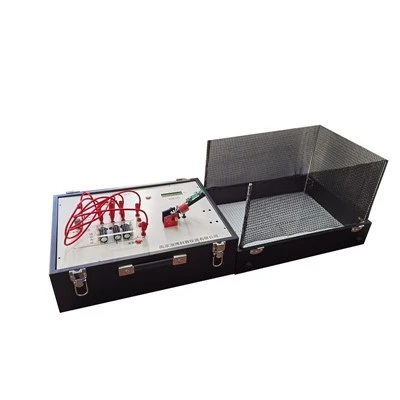
If you’re in the market for auxiliary equipment—whether you’re outfitting a new space, replacing old gear, or looking to upgrade to more efficient, smart systems—we’re here to help. We don’t do one-size-fits-all sales, we work with you to understand your exact needs and recommend gear that fits your budget and goals. Reach out to our team to discuss your project, no pressure, no pushy sales tactics.
Optical Instruments References
- Occupational Safety and Health Administration (OSHA). 29 CFR 1910: General Industry Standards, 2024.
- Fluid Power Society. Auxiliary Equipment Guidelines for Industrial Fluid Power Systems, 2022.
- National Fire Protection Association (NFPA). Standard for Industrial Auxiliary Equipment, 2023.
- U.S. Energy Information Administration (EIA). Industrial Auxiliary Equipment Efficiency Report, 2023.
Nanjing Longbow Scientific&Educational Instrument Co., Ltd.
As one of the most professional auxiliary equipment manufacturers and suppliers in China, we’re featured by quality products and good service. Please rest assured to buy customized auxiliary equipment from our factory. If you have any enquiry about pricelist, please feel free to email us.
Address: Room D, 22th floor, No.305, North Jiangdong Road, Nanjing,Jiangsu Province, China
E-mail: 79425380@qq.com
WebSite: https://www.lb-physics.com/
