Hey there, it’s Mia from the trough cable tray supply team, and I get it—when folks reach out to buy our cable trays, the first thing that comes up after specs and pricing is “how the heck do you ship these without them getting all beat up?” No one wants a whole stack of galvanized steel trays that show up bent, scratched, or worse, rusty before they even hit the worksite. I’ve fielded this question a hundred times from general contractors, electricians, and project managers, so today I’m breaking down exactly what packaging we use for our trough cable trays during transport—stuff that’s not just random packing, but tested to keep your trays perfect, even for cross-country hauls or international shipping. Trough Cable Tray
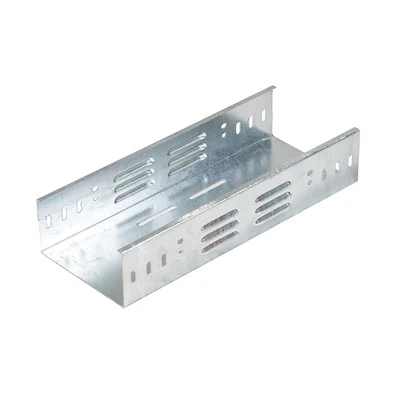
First off, let’s start with why trough cable trays are such a specific headache for packaging. These aren’t small, flat parts—they’re long, rigid sections, usually 10 feet or 20 feet long (sometimes even longer for custom runs), with that channel shape that’s easy to ding edges on. Galvanized steel is tough, but it scratches easily, and if they get stacked wrong, they can bend out of shape so bad they won’t bolt together on site. Also, they’re heavy—like, a single 10-foot steel tray can weigh 15 to 30 pounds each, so packaging has to handle that bulk without collapsing mid-haul. Been there, seen a load of trays get crushed because the base was flimsy, and it’s not a good look.
The first thing we always do, no matter the order size, is individual stretch wrapping for each tray. Wait, not just any stretch wrap—we use heavy-duty, UV-resistant polyethylene stretch wrap, not that thin grocery store stuff. Why? Because it’s flexible enough to wrap around the curved edges of the trough, but thick enough to act as a first line of defense against scratches, dust, and even light rain if a truck gets caught in a sudden downpour. For smaller orders—like 5 to 10 trays for a local job—we might just wrap each tray individually, but for bigger orders, we bundle them first. Here’s the thing: we never just stack trays directly on top of each other. We add a thin, recycled cardboard slip sheet between every 2 to 3 trays. That stops the galvanized coating from rubbing off where two metal surfaces touch, which is a big one for preventing corrosion down the line. We use 100% recycled corrugated cardboard for those slip sheets, so it’s not just good for your trays, it’s better for keeping our waste low.
Next up, when we start bundling those wrapped, slipped trays into bigger groups (usually 10 to 20 trays per bundle, depending on length), we use industrial steel banding. Wait, not plastic strapping—steel. Plastic can stretch and snap if the load shifts on a bumpy highway, but steel banding is tight, stays secured, and keeps the bundle from spreading out. We also add edge protectors at the corners of each bundle. Those are heavy-duty, foam-lined cardboard corner guards, right at the four corners of the stack. Why? Because when a forklift picks up the bundle, or it’s being stacked in a warehouse or on a truck, the corners get banged the most. Without those guards, the sharp, rigid edges of the tray trough will dig into each other or into other bundles, leading to dents that make installation a pain. We’ve tested this—remove the corner guards, and we end up with 3x more damaged trays on delivery. Not worth the hassle, trust me.
Now, what about the actual crate or pallet that holds all that? For most standard orders going via ground freight, we use wooden pallets, but not just any pallets—IPPC-heat-treated pallets, which is super important if you’re shipping internationally. Those pallets are treated so they don’t carry plant pests, which is required for crossing borders. We also add a layer of moisture barrier film over the entire pallet once the bundles are loaded on. That’s a thick, plastic sheeting that wraps the whole pallet tight, like a big burrito, to keep out rain, snow, or humidity that could cause even galvanized steel to start rusting over a long trip. I’ve seen customers get trays with white rust spots because a pallet sat in a rainstorm for two days during a port transfer—never again. That moisture barrier is non-negotiable for any haul longer than 3 days.
For larger orders, like bulk shipments of 50+ trays for a big construction project or industrial plant, we go a step further with wooden crates. Not flimsy crates—heavy-duty, nailed or bolted crates made from ¾-inch thick pine plywood. We line the inside of the crate with more of that moisture barrier film and add extra corner supports so the trays don’t shift around at all inside. We also add ventilation holes in the sides of the crate? Wait, hold on, why ventilation? Because even with the moisture barrier, if a crate is sealed tight, humidity can get trapped inside, leading to condensation. So we drill small, evenly spaced holes (about ½ inch wide) on the top and bottom edges of the crate—just enough to let air circulate, not enough to let water get in. That’s a trick we learned after a few crates came back with moldy packaging and faint rust on the trays, even though the moisture barrier was there. Balance is key here.
We also use color-coded labeling on every pallet and crate, which sounds small but is actually super helpful. For example, pallets marked with “GALV” mean standard galvanized trays, “SS” means stainless steel for corrosive environments, and custom orders get a unique code so the driver and warehouse team know exactly what’s on each pallet before it even arrives. No more mixing up custom-length trays with standard ones, which saves everyone time on delivery and unload.
Wait, let’s talk about international shipping, because that’s a whole different game. If we’re sending trough cable trays overseas, we skip the wooden crates sometimes and use steel shipping containers, but we double down on packaging there. We add anti-corrosion VCI (volatile corrosion inhibitor) paper to wrap each individual tray, in addition to the stretch wrap. That paper releases a tiny amount of vapor that forms a protective layer on the steel, preventing rust even when the container is sitting in a hot, humid port for weeks. We also seal the entire container with weatherproof tape and add a lock, obviously, but the VCI paper has been a game-changer for our international customers—they used to get trays with heavy rust from sea air, now almost zero complaints.
I know some suppliers cut corners here, right? They’ll throw trays on a pallet, wrap it in thin plastic, call it a day. But that leads to extra costs for them (returns, damaged goods) and headaches for you (delays on the worksite, having to replace parts that got ruined in shipping). We’ve built our reputation on making sure our trough cable trays show up exactly as they left the warehouse—ready to install, no extra work needed fixing dents or scratches.
If you’re ordering trough cable trays for your next project, you don’t have to worry about any of this. We handle all the packaging stuff, so you can focus on the actual installation. Whether you need 5 trays for a small office build or 200 for a new factory, our team will pack them properly, use the right materials, and make sure they get to you in perfect shape.
If you’ve got questions about specs, pricing, or just want to chat about packaging for your specific order, hit us up. We’re here to help make your project go as smooth as possible.
Perforated Cable Tray References:
- Industrial Packaging Association. (2022). Packaging Guidelines for Metal Construction Components. IPA Technical Bulletin 14-22.
- Galvanizers Association. (2021). Corrosion Protection for Galvanized Steel During Transport and Storage. GA Resource Guide 09-21.
- International Plant Protection Convention. (2020). Requirements for Heat-Treated Wooden Pallets in Cross-Border Shipping. IPPC Standard ISPM 15.
Hebei Jinglang Industrial Co., Ltd.
As one of the most professional trough cable tray manufacturers and suppliers in China, we also support customized service. We warmly welcome you to wholesale high quality trough cable tray in stock here from our factory. If you have any enquiry about quotation, please feel free to email us.
Address: Nanxinzhuang Village, Daweihe Hui and Manchu Township, Wen’an County, Langfang City, Hebei Province
E-mail: 18231629992@163.com
WebSite: https://www.jinglangcabletray.com/
