If you’ve ever shopped for cabinetry, desk tops, shelving units, or even kids’ bedroom furniture, you’ve almost certainly encountered melamine board. As a melamine board supplier who’s answered hundreds of customer questions over the past decade, one of the most frequent queries I hear is: Is melamine board waterproof? It’s a simple question, but the answer isn’t a straight yes or no—and that small nuance makes all the difference when choosing the right material for a project. Today, I want to break down what melamine board actually is, how it interacts with water, the real-world limits of its water resistance, and what that means for whether you should use it in areas that get regularly wet. Melamine Board
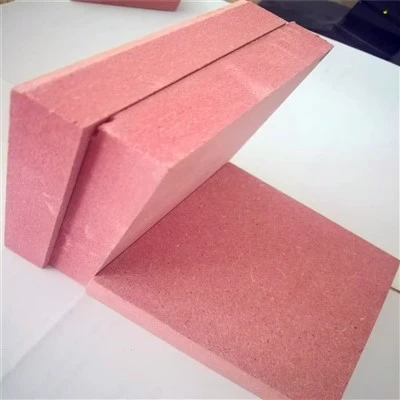
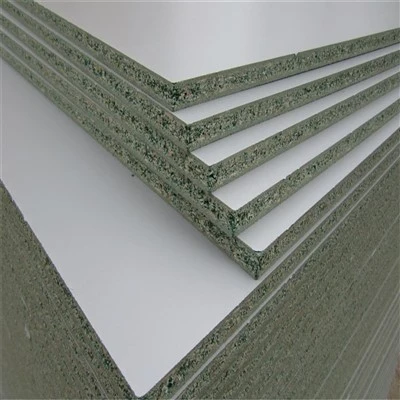
First, let’s get clear on what melamine board is, because a lot of people mix up the outer layer with the whole board structure. Melamine board (often called melamine-faced chipboard or MDF, depending on the core material) starts with a base of engineered wood—usually particleboard, medium-density fiberboard (MDF), or sometimes plywood. That core is compressed under high heat and pressure, then coated with a thin, rigid melamine resin film. The melamine layer isn’t just for looks; it’s what gives the board its scratch-resistant, stain-resistant, and smooth finish. The core, though, is porous engineered wood, made from wood particles or fibers bound together with adhesive. That porous core is why the water question is so important.
Now, let’s talk about water resistance vs. waterproofing, because those terms get tossed around a lot and they aren’t the same. Waterproofing means a material won’t absorb water at all, no matter how long it’s exposed or how deep the moisture. Water resistance means it can resist some water exposure for a limited time, without sustaining damage. Most melamine board is water-resistant, not waterproof—and that’s a critical distinction to understand.
The melamine resin layer itself is non-porous and doesn’t absorb water. If you spill a glass of water on a pristine, uncut melamine board surface, you can wipe it up in 10 seconds flat and there’s almost no risk of damage. That’s why melamine board is so popular for kitchens and dining rooms—its surface won’t warp, stain, or bubble from occasional spills, splatters, or even a quick wipe-down with a damp cloth. But the problem starts at the edges. The melamine film only covers the faces of the board, not the cut edges that happen when you trim it to size, drill holes for hardware, or join multiple pieces together. Those edges expose the porous engineered wood core, which is like a sponge.
If water sits on an unprotected edge for more than a few minutes, it will start to seep into the core. Once inside, the water breaks down the adhesive that binds the wood particles or fibers together. This causes the core to swell, warp, or delaminate—meaning the layers separate. Even small amounts of moisture, like high humidity in a poorly ventilated bathroom or garage, can be a problem over time. For example, if you install melamine shelving in a bathroom where the shower runs daily, the edges will absorb moisture from the steam, leading to warped shelves or loose hardware within a year or two. If you leave a wet towel sitting on a cut edge overnight, you might notice swelling the next day.
That said, not all melamine board is created equal. Over the years, we’ve developed specialized products that boost water resistance, and they’re worth mentioning because many customers don’t know they exist. First, there’s moisture-resistant melamine board, sometimes marked as MR (moisture-resistant) or MB (moisture board). This type uses a denser, less porous core—usually a formaldehyde-free or low-formaldehyde particleboard core treated with waxes and moisture-resistant adhesives. The melamine layer is the same, but the core is more resilient to water seepage when the edges are properly sealed. Even MR melamine board isn’t waterproof, but it can handle much more water exposure than standard melamine. For instance, it can be used for under-sink cabinets if the edges are sealed correctly, or for shelving in a laundry room, as long as spills are wiped up promptly.
The second big factor in melamine board’s water performance is edge treatment. This is where a lot of installers and DIYers make a mistake. Even the most water-resistant melamine board is only as strong as its seal. If you cut the board and leave the raw edges exposed, water will get in. At our supply company, we always recommend edge banding for any cut surface that will be exposed to moisture. Edge banding is a thin strip of PVC, ABS, or matching melamine resin that’s glued and pressed to the edges of the board. It creates a full barrier that keeps water out of the core. For areas with high moisture, like bathroom vanities or wet bar cabinets, we also recommend a bead of silicone caulk along any seams between edges and other surfaces to add an extra layer of protection.
I’ve seen this play out so many times in real-world projects. A few years back, a customer came to us upset because his custom kitchen shelving had warped after six months. He’d used standard melamine board, cut it to size for his pantry, and left the edges exposed. Every time he emptied water bottles or stored damp canisters, small spills leaked onto the edges. Within months, the edges swelled, the shelves bowed, and he had to replace them. When he came to us, we explained the difference between standard and MR melamine, showed him how edge banding works, and supplied him with materials for a second set, which he installed properly. Those shelves are still in his pantry five years later, no issues. On the flip side, another customer used our MR melamine with edge banding for a small vanity in her half-bath, and it’s held up perfectly for three years, even with the daily humidity from hot showers.
Another common question I get is about what happens if water gets under the melamine layer itself. For example, if you have a spill that seeps between the board and a countertop overhang, or if moisture gets trapped under a laminate sheet that’s peeling (a rare issue with high-quality melamine, but possible if installed incorrectly). In that case, the water can get between the melamine film and the core, causing the film to bubble or lift. This is more common if the board is exposed to prolonged, heavy moisture, like being left out in the rain. But with proper installation—ensuring there are no gaps where moisture can get under the melamine—and regular maintenance, this is avoidable.
So, to circle back to the original question: Is melamine board waterproof? The short answer is no, standard melamine board is not waterproof. It is water-resistant, and it can handle occasional spills, splatters, and gentle damp cleaning as long as the edges are sealed. But it is not suitable for areas that get constant, prolonged water exposure, like full bathroom vanity tops, shower stalls, outdoor furniture, or under-sink cabinets where leaks are common. For those applications, we always recommend alternative materials like solid wood, marine-grade plywood, or vinyl board, which are designed to withstand consistent moisture.
That said, melamine board is an incredibly versatile, affordable, and durable material for millions of projects where water exposure is minimal. When used correctly—choosing MR melamine for areas with mild humidity, sealing all cut edges with quality edge banding, wiping up spills promptly—it will last for decades without issues. As a supplier, my biggest goal is to help customers pick the right material for their needs, and that means being honest about both the benefits and the limitations of melamine board. I don’t want someone to buy melamine for a bathroom vanity and then be disappointed when it fails because they thought it was waterproof.
Wpc Flooring Spc Flooring If you’re working on a project and aren’t sure if melamine board is right for you, or if you need help choosing between standard and moisture-resistant melamine, feel free to reach out. We’re here to answer all your questions, provide sample materials, and help you pick the best solution for your space.
References
- American Wood Council. (2021). Engineered Wood Products: A Guide for Specifiers. American Wood Council.
- Melamine Resin Council. (2022). Properties and Applications of Melamine-Faced Wood Products. Melamine Resin Council.
- National Wood Flooring Association. (2020). Moisture Resistance in Engineered Wood Surfaces. National Wood Flooring Association.
- Architectural Woodwork Manufacturers Association. (2019). Standard Specifications for Architectural Woodwork. Architectural Woodwork Manufacturers Association.
Lisen Wood Industrial Shouguang Co., Ltd.
Lisen Wood Industrial Shouguang Co., Ltd. is one of the most professional melamine board manufacturers and suppliers in China, featured by quality products and low price. Please rest assured to buy discount melamine board from our factory. Welcome to contact us for quotation and free sample.
Address: Nongsheng road, shouguang,shandong province, china
E-mail: liuzhenxi@lisenboard.com
WebSite: https://www.sglswood.com/
