When I first started working as a pre-made pouches supplier eight years ago, one of the most common questions I’d get from potential customers wasn’t about seal strength or barrier properties—it was about odor. “Will your pouches leave a weird smell on my product?” “How do I know they’re odor-free?” Back then, I’ll admit, I didn’t have all the answers. I’d just point to our raw material suppliers and say we used food-grade plastic, and leave it at that. Over the years, though, I’ve dug into the science, tested every batch we produce, and talked to hundreds of brand owners who’ve dealt with odor issues that ruined batches of food, skincare, and even pet products. Today, I want to pull back the curtain on what makes pre-made pouches odor-free, where odors actually come from, and how we (as a supplier) make sure our pouches don’t introduce any unwanted smells to your goods. Pre-made Pouches

Let’s start with the basics: not all plastics are the same, and not all pre-made pouches are created equal. Most pre-made pouches used for consumer products are made from films that combine multiple layers—usually a mix of polyethylene (PE), polypropylene (PP), polyester (PET), and sometimes aluminum foil or other barrier materials. Each layer serves a purpose: PET adds stiffness, foil blocks light and oxygen, PE makes the pouch heat-sealable, and so on. But every single one of these materials has the potential to hold or release odors if they’re not processed correctly. That’s the core of the problem. Odors in pre-made pouches don’t come out of nowhere—they’re leftover from the manufacturing process, residual chemicals in the raw materials, or even cross-contamination between different products at the plant.
Early in my career, we once had a small batch of pouches that smelled faintly like vinegar. We panicked, pulled the entire batch, and traced the issue back to a batch of PE resin that had been stored in a damp warehouse before it was shipped to our facility. The resin had picked up moisture, which reacted with a chemical additive used to prevent static in the plastic, creating that sour vinegar smell. We ended up having to rework the whole batch—washing the film sheets in a food-grade solvent that evaporated completely during the drying process, then testing every single pouch individually before we shipped them to a small local sauce brand. That taught me a critical lesson: odor isn’t just a “quality control thing” for us—it’s a make-or-break issue for our customers. A single bad batch of pouches can lead to thousands of dollars in wasted product, angry customers, and damaged brand reputation.
So, how do we as a supplier ensure our pre-made pouches are odor-free? It starts long before the film is ever cut or sealed into a pouch. First, we only work with raw material suppliers that provide full documentation of their additives and residual content. We no longer work with suppliers who use phthalates or other chemicals that can off-gas over time, and we require every resin batch to pass a “odor screening test” before it even enters our warehouse. That test is simple: we take a small sample of the film, seal it into a small test pouch, fill it with odorless water, and let it sit at room temperature for 72 hours. Then we have two people (one in quality control, one in operations, both trained to notice subtle odors) open the pouch and smell the water. If there’s any off-smell—acrid, chemical, plastic-y, anything other than pure, neutral water—we reject that entire resin batch.
Next, the manufacturing process at our facility is designed to minimize any chance of odors developing. We run our film extruders at temperatures that are just high enough to melt the resin, not so high that they cause the plastic to break down and release volatile organic compounds (VOCs). We also have a strict “no cross-contamination” policy: we never run a food-grade pouch batch in the same production line as a non-food grade pouch, and we dedicate separate equipment for sensitive products, like skincare pouches that require extra low odor. After the pouches are sealed, we run them through two drying cycles: one with room-temperature air to remove any surface moisture, and another with filtered, heated air to evaporate any residual solvents used in the sealing process. For pouches that will hold very sensitive products—like essential oils, which are themselves very aromatic—we also run an extra step: a “conditioning” phase where we store the finished pouches in a climate-controlled room for two weeks, then re-test them for odors. If even a faint plastic smell comes through, we send them back for re-conditioning or, if it’s bad enough, reprocessing.
But here’s the thing I’ve learned from working with customers: odor isn’t just about the pouch itself—it’s about how it interacts with your product. A pouch that’s perfectly odor-free on its own might absorb odors from a strong-smelling product, or it might react with certain ingredients. For example, I once worked with a craft coffee roaster who noticed that their pre-made pouches started smelling like plastic after they sealed whole beans inside. Turns out, the coffee’s natural oils were seeping through the inner PE layer of the pouch, which wasn’t thick enough to block oil absorption. We fixed that by switching to a thicker, oil-resistant inner PE layer, and added a thin layer of EVA (ethylene vinyl acetate) between the PE and the PET to prevent oil penetration. Now, those coffee pouches are still used by that roaster, and they’ve never had an odor complaint since. That’s why we don’t just sell pouches—we work with our customers to tailor the pouch’s material and construction to their specific product, so it’s not just odor-free on its own, but also doesn’t transfer or absorb odors from what’s inside.
Another common misconception I hear is that “compostable pre-made pouches” automatically have odors. I used to think that too, until we started getting requests for compostable pouches from a local organic snack brand. I was worried that the plant-based materials—usually things like corn starch or PLA (polylactic acid)—would have a mild, earthy smell that would transfer to the snacks. So we did a lot of testing. We worked with a PLA resin supplier that had developed a low-odor grade, and we adjusted the manufacturing process to run at lower temperatures, since plant-based plastics break down at lower temps than traditional plastics. The result? We created a compostable pre-made pouch that had no detectable odor, even after being filled with granola for six months. That brand still uses our compostable pouches, and they even mention in their product description that their packaging is “odor-free, compostable, and non-toxic” as a selling point. It’s proof that you don’t have to choose between sustainability and odor quality.
Of course, even with all these steps, sometimes odors can sneak in. A few years ago, we had a customer who received a shipment of pouches that smelled like cleaning supplies. We immediately pulled the batch, tracked the shipping container it was in, and found out that it had been used to transport a batch of industrial cleaning chemicals a week before it picked up our pouches. The container’s ventilation system hadn’t been properly scrubbed, so the fumes had seeped into the pouches during shipping. That’s a rare issue, but it’s why we work with shipping companies that guarantee dedicated, clean containers for our food and skincare grade pouches. We also add a “shipping inspection” step: every shipment gets a quick visual and odor check before it leaves our facility, and we provide detailed documentation to our customers about how the pouches were stored, manufactured, and shipped.
So, to answer the question “Are pre-made pouches odor-free?”—it depends, but with the right supplier, they absolutely can be. It’s not a coincidence; it’s the result of careful raw material selection, strict manufacturing controls, rigorous testing, and a focus on customer-specific needs. As someone who’s been in this business for almost a decade, I can tell you that the best pre-made pouches aren’t just strong or sealable—they’re neutral. They don’t add a smell to your product, they don’t take away the smell of your product, and they don’t off-gas over time. That’s what makes a great pouch, and that’s what we strive for every single day.
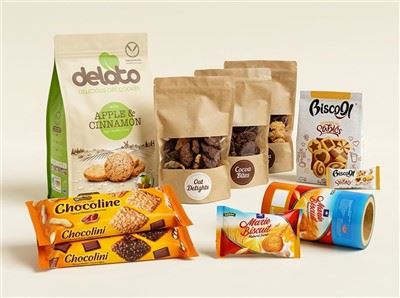
If you’re tired of dealing with pouches that cause odor issues for your products, or you’re just starting out and want to make sure your packaging doesn’t become a problem, reach out to our team to schedule a consultation. We can walk you through our testing processes, help you choose the right pouch materials for your product, and make sure every batch we send is 100% odor-free. We’ve worked with small craft brands and large national companies, and we tailor every order to meet their unique needs, no matter how big or small.
Food Packaging Solutions References:
- Hernandez, R. J., et al. (2019). "Odor and Flavor Migration in Flexible Food Packaging: A Review." Journal of Food Science, vol. 84, no. 5, pp. 1122-1135.
- European Food Safety Authority (2021). "Guidance on Assessment of Migration of Odorous Substances from Food Contact Materials." EFSA Journal, vol. 19, no. 7, pp. 6542.
- Lee, S., et al. (2020). "Low-Odor Flexible Packaging Materials: Manufacturing Processes and Quality Control." Packaging Technology and Science, vol. 33, no. 10, pp. 421-430.
Qingdao Senlida Packing Co., Ltd.
Qingdao Senlida Packing Co., Ltd. is one of the most experienced pre-made pouches manufacturers and suppliers in China since 1995. With a professional production team, we are able to meet the needs of the majority of our customers. Please feel free to buy high quality packing products at competitive price from our factory.
Address: No.299 Feichao Road, Luwang Town, Huangdao District, Qingdao, Shandong Province, China.
E-mail: liuxh@qdsenlida.com
WebSite: https://www.senlidapacking.com/
