If you’re running a cylinder accessories supply business, you know how frustrating it is when a regular customer reaches out with a broken regulator or a leaky valve, and you can’t walk them through a quick fix to get their industrial operations back up and running. Over 12 years in this niche, I’ve seen every issue imaginable—from a misaligned fitting on a propane cylinder to a faulty pressure relief valve on a medical oxygen cylinder—and the biggest mistake most people make is skipping basic troubleshooting before reaching out for a full replacement. That’s why I’m putting together this step-by-step guide to troubleshooting common cylinder accessory issues, tailored specifically to help both your end-users and your team resolve problems fast without unnecessary returns or delays. Cylinder Accessories
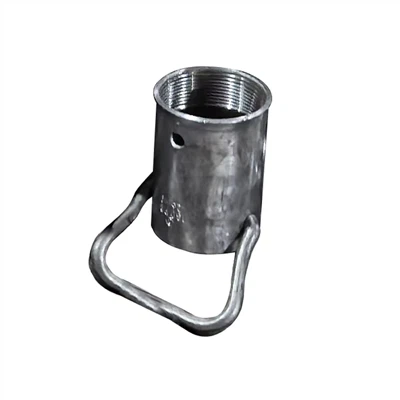
First, let’s start with the most common complaint I hear: leaks. Almost every customer calls about leaks at some point, and the good news is that 80% of the time, these are easy to fix at home without sending the entire accessory back. The first thing I always tell people is to never check for leaks with an open flame—that’s a safety hazard that can lead to fires or explosions. Instead, mix a solution of equal parts water and dish soap in a spray bottle, then spritz it onto the fitting, valve stem, or regulator hoses. If bubbles form, that’s where the leak is. Now, let’s break down where most leaks happen and how to troubleshoot each one. If the leak is at the connection between the cylinder valve and the regulator, the problem is almost always a worn or damaged O-ring. Cylinder accessories rely on small rubber O-rings to create an airtight seal, and over time, exposure to temperature swings, dust, or repeated assembly and disassembly can cause them to crack or degrade. To fix this, turn off the cylinder valve completely, disconnect the regulator, and replace the old O-ring with a matching one from your accessory kit. Make sure to lubricate the new O-ring lightly with food-grade silicone or a non-petroleum-based lubricant (petroleum products can damage rubber seals over time) before screwing the regulator back on, tightening it just enough to create a seal—over-tightening can also cause leaks by warping the valve’s threaded connection.
If the leak is coming from the regulator’s pressure gauge or the hose itself, the issue is usually a damaged hose or a clogged vent. For hoses, inspect the entire length for cuts, kinks, or abrasions, especially near the ends where they attach to the regulator or the cylinder. A small abrasion on a rubber hose might seem minor, but under pressure, it can expand into a major leak. If you notice a kink in the hose that’s blocked the flow of gas, straighten it out carefully—just make sure there’s no damage to the inner lining, which you might not be able to see from the outside. For regulator vents, these small holes are designed to release excess pressure, but dust, dirt, or debris can clog them, leading to trapped pressure inside the regulator that causes leaks. To fix a clogged vent, turn off the cylinder valve and disconnect the regulator, then use a small, soft-bristled brush (like a toothbrush) to gently clear the debris. Never use a sharp object to poke the vent, as that can create a permanent hole that causes leaks.
Next up: pressure regulator issues. Regulators are one of the most critical cylinder accessories, as they control the flow of gas from the high-pressure cylinder to a safe, usable level for tools, equipment, or medical devices. One of the most common problems I see here is a regulator that won’t build up pressure, or a regulator that’s delivering too much flow. Let’s start with low or no pressure. First, check that the cylinder valve is fully open—this sounds obvious, but I can’t tell you how many times a customer has called thinking the regulator is broken, only to find they left the valve halfway closed. If the valve is fully open, next inspect the filter inside the regulator’s inlet. The filter is designed to catch debris from the cylinder or the gas line, but over time, it can become clogged, restricting the flow of gas and preventing the regulator from working properly. To clean the filter, turn off the cylinder, disconnect the regulator, and locate the inlet filter (it’s usually a small mesh screen inside the regulator’s inlet port). Gently remove the filter with a small pair of pliers (be careful not to damage the screen), rinse it with warm water, and let it dry completely before reinserting it. If cleaning the filter doesn’t work, the pressure spring inside the regulator might be worn out. Regulators use a calibrated spring to adjust pressure, and over years of use, this spring can lose tension, leading to inconsistent or low pressure. In that case, it’s usually best to replace the regulator rather than attempt to repair it, as improper calibration can create a dangerous pressure buildup.
On the flip side, if the regulator is delivering too much pressure, that’s a serious safety issue that needs immediate attention. First, turn off the cylinder valve immediately and disconnect the regulator from the cylinder. Never try to adjust the regulator’s pressure adjustment screw yourself—this is calibrated at the factory, and improper adjustment can lead to a rupture or explosion. Most of the time, excessive pressure is caused by a faulty pressure relief valve, which is designed to release excess pressure to prevent the regulator from breaking. If the relief valve is stuck open or not activating when it should, that’s a sign the regulator needs to be replaced. I always tell customers not to use a regulator that’s delivering too much pressure, even temporarily, because it can damage tools or equipment, and in extreme cases, cause injury.
Another common issue is valve leaks or sticking valves, which affect not just the cylinder’s own valve but also accessory valves like flow control valves or needle valves used in industrial or lab settings. If a valve is sticking and won’t turn, don’t force it—that’s a surefire way to break the valve stem. First, turn off any connected equipment and disconnect the accessory from the cylinder. Then, apply a small amount of penetrating lubricant (like WD-40, but make sure it’s compatible with the valve’s material) to the base of the valve stem, and let it sit for 10 to 15 minutes to loosen any rust or debris. Once the lubricant has had time to work, gently wiggle the valve back and forth while turning it slowly—avoid using pliers or a wrench on the valve stem, as this can strip the threads. If the valve still won’t turn, it’s likely that the valve stem is bent or the internal seals are damaged, and the accessory will need to be replaced. For valve leaks, similar to regulator leaks, check the O-ring first—most valve leaks are caused by a worn or misaligned O-ring around the valve’s base. If replacing the O-ring doesn’t fix the leak, the valve body might be cracked, and the entire accessory should be replaced to prevent gas leakage.
For customers who use cylinder accessories for medical purposes, like oxygen regulators for home use, there’s an extra layer of safety to consider. Medical cylinder accessories are designed to strict regulatory standards, and troubleshooting them requires extra care. If a medical oxygen regulator is not delivering the correct flow rate, first check the flow control knob to make sure it’s set to the prescribed level. If it’s still not working, inspect the oxygen tube for kinks or blockages—kinks in the tubing can restrict flow, making it seem like the regulator is faulty. Never attempt to repair a medical regulator yourself, as improper calibration can lead to too much or too little oxygen, which is a life-threatening issue. In this case, always contact your supplier or a certified medical equipment technician for assistance.
Now, as someone who supplies cylinder accessories, I’ve also learned that a lot of issues are preventable with regular maintenance. That’s why I always recommend that customers create a simple maintenance schedule for their accessories. Every 3 to 6 months, depending on how often they’re used, inspect hoses for abrasions, check O-rings for signs of wear, and clean regulator vents and filters. For accessories stored in cold or dusty environments, increase maintenance to every 2 months, as extreme temperatures and debris can speed up wear and tear. Also, make sure to store accessories in a cool, dry place away from direct sunlight, as UV rays can degrade rubber hoses and O-rings over time.
If you’ve tried all the troubleshooting steps and your cylinder accessory is still not working, or if you’re dealing with a more complex issue like a faulty pressure relief valve or a cracked valve body, it’s time to reach out to a reliable supplier for assistance. Whether you’re a consumer looking for a replacement part or a business in need of bulk cylinder accessories, partnering with a supplier that offers troubleshooting support, genuine replacement parts, and clear guidance can save you time, money, and safety risks.

If you need help resolving a cylinder accessory issue, or if you’re looking for high-quality, durable cylinder accessories for your operations, don’t hesitate to reach out to discuss your needs. Our team has years of experience troubleshooting every type of cylinder accessory issue, and we’re here to help you find the right solutions fast.
Hand Truck References
- Occupational Safety and Health Administration (OSHA). (2022). Compressed Gas Cylinder Safety Guidelines.
- National Fire Protection Association (NFPA). (2021). Standard for the Storage and Handling of Compressed Gases.
- Compressed Gas Association (CGA). (2020). Cylinder Valve and Accessory Maintenance Manual.
Shanghai Luzhen SCM Co., Ltd.
As one of the most professional cylinder accessories manufacturers and suppliers in China, we’re featured by quality products and good price. Please rest assured to buy bulk discount cylinder accessories from our factory. We also accept customized orders.
Address:
E-mail: bao@lu-chain.com
WebSite: https://www.lu-chain.com/
