If you’ve ever spent time on packaging lines, you know that a reliable sleeve wrapping machine isn’t just a piece of equipment—it’s the backbone of consistent, efficient packaging. When production volumes ramp up or budgets are tight, many packaging teams ask the same question: Are there used sleeve wrapping machines for sale that match performance and reliability without the price tag of new? As a sleeve wrapping machine supplier with over a decade in the industry, I hear this question weekly, and the short answer is yes—but the details matter, a lot. Sleeve Wrapping Machine
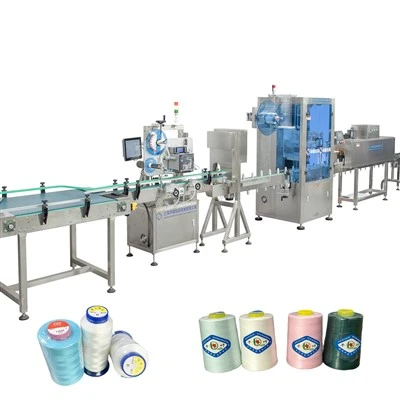
Let’s start with why used equipment makes sense for so many businesses. New sleeve wrapping machines can cost anywhere from $15,000 for entry-level semi-automatic models to well over $100,000 for high-speed, fully automated lines that handle thousands of units per hour. For small to mid-sized manufacturers, seasonal production teams, or businesses testing a new product line, that upfront cost can be prohibitive. A used machine that’s been properly inspected and maintained can deliver 80-90% of the performance of a new unit at 40-60% of the price, with far less lead time than ordering custom-built new equipment. That’s a game-changer when you need to get a product to market fast without overextending your capital.
But here’s the catch: not all used sleeve wrapping machines are created equal. I’ve seen too many businesses buy a cheap used machine only to end up with downtime, costly repairs, and lost production days. That’s why, as a supplier, I don’t just sell used machines off a shelf—we go through a rigorous vetting process to ensure every unit we offer meets our performance standards. Let’s break down what to look for when evaluating used sleeve wrapping equipment, and what makes our process different from the random listings you might find online.
First, you need to understand the different types of sleeve wrapping machines, because not every machine is right for every job. Semi-automatic sleeve wrappers require an operator to load products, apply the sleeve, and trigger the shrink tunnel—ideal for low to medium volume lines, around 500-2,000 units per hour. Fully automatic inline sleeve wrappers, on the other hand, integrate with your existing conveyor system, handle product feeding, sleeve application, and shrink wrapping all in one, perfect for high-volume lines (2,000+ units per hour) like beverage cans, bottled water, or carton packs. There are also dual-plane sleeve wrappers for odd-shaped products, like cases of different-sized goods or irregular containers. Before you start shopping, you need to map your production needs: what’s your hourly output? What size products do you wrap? Do you need it to integrate with your existing line, or will it be a standalone unit? Skipping this step is the number one mistake buyers make, and it leads to buying a used machine that can’t keep up with your actual workload.
Once you know what type of machine you need, look at the core components that determine longevity and performance. Sleeve wrapping machines rely on a few key parts: the mandrel that cuts and applies the plastic sleeve, the conveyor system that moves products through the line, the heat tunnel that shrinks the sleeve to fit, and the control panel that runs the operation. For used machines, these parts need to be inspected for wear. The mandrel, for example, can wear down if not properly lubricated, leading to uneven sleeve cuts or misaligned packaging. The heat tunnel’s heating elements need to be tested to ensure they reach the correct temperature (usually between 120-180 degrees Celsius for most PVC and polyolefin sleeves) because a faulty tunnel will result in loose, wrinkled sleeves that don’t protect your products. Conveyor belts need to be checked for tears or stretching, and control panels should have functional wiring and digital readouts that are easy to operate.
At our company, every used sleeve wrapping machine goes through a 15-point inspection process before it’s offered for sale. Our technicians disassemble key components, replace worn parts like belts, bearings, and heating elements, test the control panel for error codes, and run a 48-hour live production test to simulate real-world use. We also keep detailed service histories for every machine we sell—many of our used units came from major food and beverage companies that did full maintenance on a scheduled basis before upgrading to new lines. That transparency is non-negotiable; we don’t sell machines with hidden issues, and we share the full inspection report with every potential buyer so they know exactly what they’re getting.
Another big concern with used equipment is compatibility. If you’re upgrading a line, or switching from a different type of packaging equipment, you need to make sure the used sleeve wrapper will work with your existing setup. For example, if you have a conveyor system that runs at 30 meters per minute, a used machine designed for 20 meters per minute will bottleneck your line. Or, if you wrap products of a specific size (like 500ml bottles), you need to confirm that the used machine’s adjustable guides and mandrel can accommodate those sizes without extra costly modifications. We offer on-site assessments for buyers who want to test a machine at their facility, and we provide installation support to help integrate the used unit into your existing line—something many private sellers don’t offer, leaving you to figure out compatibility and setup on your own.
Warranty is another critical factor. When you buy new equipment, you usually get a 12-month warranty on parts and labor. Used machines should come with some level of coverage too, because even a well-maintained unit can have unexpected issues. Our used sleeve wrapping machines come with a 6-month parts warranty, and our technical team is available 7 days a week to troubleshoot any issues after delivery. We also offer extended warranty options for businesses that want extra peace of mind, and ongoing maintenance plans to keep your machine running at peak performance for years.
I know what some of you are thinking: Are used machines reliable enough for food or pharmaceutical packaging industries, where strict hygiene standards apply? The short answer is yes, but you have to look for machines that have been properly cleaned and sanitized after their previous use. All our used machines undergo a deep cleaning process with food-grade detergents, and any parts that come into direct contact with products are either replaced or sanitized to meet FDA and EU food safety standards. We also provide documentation of the cleaning process and any part replacements, so you can keep your production line compliant with regulatory requirements.
Let’s talk about real-world examples to put this in perspective. A few months ago, we worked with a craft brewery in the Midwest that was launching a new line of 12-pack beer cans. They needed a sleeve wrapper that could handle 1,500 packs per hour, but their budget for packaging equipment was only $30,000—way less than the $80,000 cost of a new entry-level automatic line. We sourced a two-year-old fully automatic sleeve wrapper from a large beverage company that had upgraded its line, put it through our full inspection and maintenance process, and sold it to the brewery for $32,000. It’s now been running for 8 months with zero major issues, and the brewery says it’s saved enough in upfront costs to invest in more inventory and marketing for their new product. That’s the kind of win we love to deliver.
Another example: A small family-owned coffee roaster wanted to wrap 1lb bags of ground coffee for retail, but only needed 500 packs per hour, so a fully automatic line was overkill. They bought a like-new semi-automatic used sleeve wrapper for $12,000, compared to $25,000 for a new unit. It’s been working for their small production line for two years, and when they decided to expand, they sold the used machine for $9,000—they barely lost any money on it, and still had the flexibility to upgrade to a higher-capacity model when they were ready.
Now, for the questions I get asked most often about used sleeve wrapping machines: How old is too old? We rarely sell machines older than 10 years, because after that, even with good maintenance, parts become harder to source, and energy efficiency can be lower than newer models. That said, we’ve had a few 12-year-old semi-automatic machines that still run like new for businesses with very low production needs. What about shipping? We work with licensed packaging equipment carriers who specialize in moving heavy machinery safely, and we handle all the logistics from disassembly at our facility to installation at yours, so you don’t have to worry about damage in transit.
If you’re in the market for a used sleeve wrapping machine, the worst thing you can do is rush into a purchase from an unknown seller who doesn’t provide inspection reports, service histories, or warranty. At our company, we’ve built our reputation on being transparent about every machine we sell, because we know that our customers’ production lines depend on equipment they can trust. We’re not just selling a used machine—we’re helping you find a solution that fits your budget, meets your performance needs, and lets you focus on growing your business instead of worrying about packaging downtime.

If you’re ready to explore your options for used sleeve wrapping machines, or if you have questions about what type of machine would work best for your production line, we’re here to help. Our team of packaging specialists can walk you through the different models we have in stock, answer all your technical questions, and even arrange a live demo if you want to see a machine in action before you buy. Don’t let budget constraints hold you back from getting the reliable packaging equipment you need. Reach out to our team today to discuss your requirements, and let’s find the right solution for your business.
Small Tube Sewing Thread Packaging Machine References
Shrink Sleeve Packaging: Equipment, Materials, and Applications. Industrial Packaging Association, 2022.
Guidelines for Evaluating Used Packaging Machinery. Packaging Machinery Manufacturers Institute, 2021.
Food Safety Standards for Packaging Equipment. U.S. Food and Drug Administration, 2020.
Shanghai Peifu Packaging Machinery Co., Ltd.
We are one of the leading manufacturers and suppliers of heat shrink tunnel in China. With a professional production team, we are able to meet the needs of the majority of our customers. Please rest assured to buy customized heat shrink tunnel from our factory.
Address: No.1111, Xinlin Road, Fengxian District, Shanghai, China
E-mail: cathychensupplier@gmail.com
WebSite: https://www.peifupackaging.com/
