If you’re working in packaging, food manufacturing, or even medical device production, you’ve probably stumbled across EVOH barrier film—though you might not have noticed it at first. As someone who’s been in the EVOH barrier film supply game for over a decade, I’m here to break down exactly where this stuff shines, why it matters way more than a random plastic wrap, and why it’s become a go-to for brands and manufacturers who hate spoiled products, wasted materials, and unhappy customers. Let’s cut the jargon first: EVOH stands for ethylene vinyl alcohol, and it’s a resin that’s blown into thin, flexible films with one superpower—blocking gases that make food go bad, or medical products lose their effectiveness. It’s not as flimsy as regular plastic wrap, nor is it as rigid as a plastic bottle; it’s the middleman that makes so many products work longer, safer, and better. EVOH Barrier Film

First, let’s start with the biggest use case of EVOH barrier film: food and beverage packaging. I see this every single day when I ship rolls of the stuff to snack companies, beverage bottlers, and frozen food brands—this is where 60% of our business comes from, easy. Let’s break down the sub-sectors here because they’re all different, and EVOH fits each perfectly. Take carbonated soft drinks or sparkling water first—have you ever bought a 2-liter bottle that went flat a week after opening? That’s usually because the plastic isn’t good at blocking CO2. EVOH film fixes that, so when it’s used in multilayer bottles (we bond EVOH to PET, the clear plastic you see on store shelves), the CO2 stays trapped inside for months longer. We’ve had clients tell us their products’ shelf life jumped 40% just by switching to EVOH-lined packaging—no extra preservatives, no fancy equipment, just a better barrier.
Then there’s frozen and chilled food. Think frozen pizza, pre-cut veggies, marinated meats, or even ice cream. Frozen food has a big enemy: freezer burn. That’s when moisture escapes from the food and crystallizes on the surface, turning it dry and unappetizing. EVOH is great at blocking moisture too, not just gases. Our frozen food-grade EVOH film is designed to withstand cold temperatures down to -40°F, so it doesn’t get brittle or tear at the freezer’s regular temps. I had a client last year who sold pre-cut grilled chicken; before they used EVOH-lined bags, 12% of their stock was getting freezer burn and getting returned. After switching? That rate dropped to under 2%—huge win for their bottom line and less food going to waste, which is something I care about too, not just sales.
Snack packaging is another huge one. Potato chips, nuts, dried fruit, candy—all of these go stale if oxygen gets in. EVOH blocks that oxygen way better than regular polyethylene (PE) or polypropylene (PP) film, and it’s clear too, so you can still see the pretty orange chips or shiny candy inside, which keeps customers happy. We make custom-sized rolls for snack brands, so they can run their packaging machines without any snags—we learned early on that if the film is too thick or too thin, it messes with their production lines, so we tweak every batch to fit their specs. Even for savory snacks like jerky, which need to stay chewy, not dry out, EVOH is a lifesaver. I once visited a small craft jerky brand in Ohio; they were using generic plastic bags and losing $5,000 a month to stale product. Now they use our EVOH film, and that money goes toward hiring more people instead of throwing away jerky.
Next up, medical and pharmaceutical packaging—this is a sector that doesn’t mess around, so you know EVOH is reliable if it’s used here. Medical products can’t have any contamination, and they need to retain their sterility or potency until the patient uses them. Let’s think about things like single-use medical devices: syringes, catheters, surgical tools. If those are packaged in a regular plastic bag, bacteria or even moisture can get in during storage, which is a huge safety risk. EVOH barrier film is sterile-compatible, so it doesn’t leach any chemicals that would harm the device, and it blocks out contaminants. We also make EVOH film for pharmaceutical blister packs—you know those little plastic bubbles that hold pills? The ones that keep moisture out so pills don’t clump or break down. EVOH is way better at blocking moisture than the old blister films, so pills last 2–3 years instead of 1, which cuts down on expired meds being thrown away. I work with a few small pharma startups that couldn’t afford fancy packaging before, but EVOH is affordable enough that they can keep their products on shelves longer without raising prices— that’s the kind of impact I love.
Then there’s industrial and agricultural packaging, which is a side of EVOH that a lot of people don’t talk about, but it’s growing fast. For agriculture, think of silage wrap— that’s the plastic film that covers fermented animal feed, like corn or grass, to keep it fresh for livestock. Silage needs to stay dry and sealed to keep mold away, otherwise the feed goes bad and farmers lose thousands of dollars per farm. EVOH-based silage wrap is more durable than regular plastic, and it blocks oxygen and moisture way better, so silage stays good for up to a year instead of 6 months. We’ve had dairy farm clients tell us they save $10,000 a year on feed waste just by switching to our EVOH wrap. For industrial stuff, it’s used to package things like chemicals, lubricants, or even electronic components. Electronics are super sensitive to moisture—if a circuit board gets damp before it’s assembled, it can short out. EVOH film blocks moisture and even some gases, so it keeps those parts safe during shipping and storage. I shipped a batch of EVOH film last quarter to a company that makes smartphone parts; they said none of their parts failed during shipping anymore, which was a big problem for them before.
Wait, but I should talk about why EVOH is better than other barrier films, right? A lot of people ask me why not just use nylon or something else. Nylon is good, but it doesn’t block oxygen as well as EVOH, especially in high-humidity environments—EVOH actually gets better at blocking oxygen when it’s wet, which is perfect for food that’s stored in fridges or freezers. And compared to PVDC, which is another common barrier film, EVOH is easier to recycle, which is a big deal now with all the plastic waste talk. We’ve worked with a few recyclers to make sure our EVOH film can be part of the recycling stream, which is why a lot of brands are switching to EVOH to hit their sustainability goals. I know a lot of clients care about that—they don’t want their brand to be seen as wasteful, so EVOH checks that box too.
Now, a quick reality check—EVOH isn’t perfect, I won’t sugarcoat it. It’s more expensive than regular plastic film, so for some super low-cost products, like basic grocery bags, it’s not worth it. But for products where shelf life is make-or-break, the extra cost is nothing compared to the money they save on waste, returns, and lost sales. I’ve had clients that thought EVOH was too pricey at first, but after calculating how much they were losing to spoiled product, they were back ordering more rolls within a month. It’s all about the value, not just the upfront cost.
If you’re reading this and you’re a packaging manager, food brand owner, or even someone in the medical device space who’s dealing with spoiled products, expired goods, or packaging that’s just not cutting it, EVOH barrier film is probably the solution you’ve been looking for. We’ve been supplying custom EVOH film rolls to businesses of all sizes—from small craft brands to big multinational corporations—for over a decade, and we tweak every order to fit your exact needs, whether that’s thickness, size, or barrier properties. No one-size-fits-all here, because we know your business is unique.
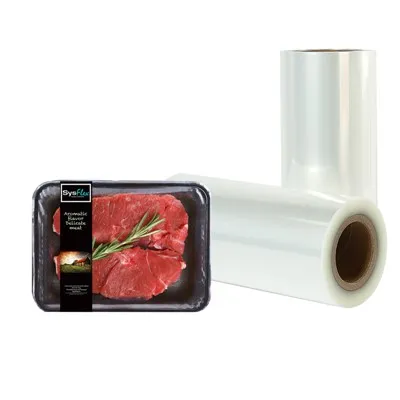
If you’re ready to stop wasting money on spoiled products, extend your packaging’s shelf life, and make your customers happier, let’s chat. We can send you a sample, walk you through your options, or even help you figure out if EVOH is the right fit for your line. Don’t let your products go bad before they reach the shelf—let’s make your packaging work for you.
Lidding Film References
- Han, J. H. (Ed.). (2005). Food Packaging Technology. CRC Press.
- Ellis, G. (2012). "Ethylene Vinyl Alcohol (EVOH) Films: Properties and Applications in Packaging". Journal of Plastic Film & Sheeting, 28(3), 257–276.
- United States Environmental Protection Agency (EPA). (2021). Plastic Packaging Recycling and Sustainability.
- International Organization for Standardization (ISO). (2018). ISO 15106-1:2018, Plastics — Film and sheeting — Determination of water vapour transmission rate — Part 1: Differential pressure method.
- European Federation of Pharmaceutical Industries and Associations (EFPIA). (2020). Guidelines on Pharmaceutical Packaging Materials.
Wenzhou Fuya New Material Technology Co., Ltd.
With abundant experience, we are one of the most reliable evoh barrier film manufacturers and suppliers in China. Welcome to wholesale advanced evoh barrier film made in China here from our factory. If you have any enquiry about cooperation, please feel free to email us.
Address: No. 588, Nengke Industrial Park, Shidai Avenue, Longgang City, Wenzhou City, Zhejiang Province
E-mail: fuya2750@gmail.com
WebSite: https://www.fuyafilm.com/
