If you’ve ever stopped to think about the structural elements that hold up a modern window frame, the framework of a food processing conveyor, or the casing for a commercial solar panel, chances are good those parts were made from bespoke aluminium extrusions. As a supplier of custom aluminium extrusions, I get asked a version of the same question at least a dozen times a week: “Are these parts actually strong enough for the job I need them for?” It’s a fair question—aluminium is often dismissed as a soft, flimsy metal, the kind you’d use for a soda can or a lightweight garden fence, not for load-bearing components that have to stand up to years of use, temperature swings, and rough handling. Let me break this down the way I do for every client who calls, using hard science and real-world examples, not marketing fluff. Bespoke Aluminium Extrusions
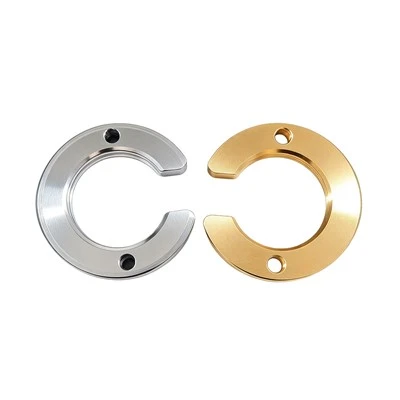
First, let’s start with the basics: what is a bespoke aluminium extrusion, and why does its strength matter so much here? Unlike off-the-shelf aluminium shapes—like standard angle bars or round tubes—custom extrusions are formed by pushing heated aluminium alloy through a die machined to an exact shape a customer designs. That means we can tailor every detail of the profile: wall thickness, cross-sectional geometry, and even the type of aluminium alloy we use, all to match a specific application. Strength isn’t a one-size-fits-all number here; it’s a custom calculation, and that’s one of the biggest advantages of working with a supplier who specializes in bespoke parts, not stock inventory.
Now, let’s talk about the two most common types of strength people care about for structural parts: tensile strength and yield strength. Tensile strength is the maximum amount of pulling force a material can take before it breaks, and yield strength is the amount of force it can handle before it gets permanently bent or deformed, which is often more critical for long-lasting parts. For context, pure aluminium (the stuff used in foil and soda cans) has a tensile strength of around 9,000 to 11,000 psi. That’s weak for anything structural. But the alloys we use for bespoke extrusions? Most of our structural work relies on 6061 or 6063 aluminium alloys, which are heat-treatable to boost strength. 6061 has a tensile strength of up to 45,000 psi and a yield strength of 40,000 psi, which is stronger than many grades of structural steel when you account for weight, and 6063—while slightly softer at 27,000 psi tensile—is more corrosion-resistant, making it ideal for outdoor applications like window frames or outdoor railings.
Wait, you might be thinking: steel is stronger, right? So why would I choose aluminium? That’s where another key property comes in: strength-to-weight ratio. A steel beam of the same dimensions as an aluminium extrusion will be about three times heavier, which means you need stronger supports, bigger mounting hardware, and more labor to install it. For industries like aerospace, automotive, or food processing where weight reduction saves on fuel costs or eases movement of heavy machinery, that’s a game-changer. A bespoke aluminium extrusion can have the same load capacity as a steel part, but weigh a third as much, which cuts long-term costs for material handling, transportation, and even energy use.
But strength isn’t just about the alloy you choose—it’s also about the design of the extrusion profile, which is where the “bespoke” part of the process makes all the difference. Let’s say a customer needs a support beam for a mezzanine in a warehouse. If we just took a standard, thin-walled aluminium tube, it would buckle under even a moderate load, no matter what alloy it was made from. But when we work with them to design a custom profile, we can add reinforcing ribs, thicken the walls in high-stress areas, or shape the cross-section into an I-beam or a box section—geometries that distribute weight and force evenly across the part, instead of letting it concentrate in one spot. I recently worked with a logistics company that needed custom extrusions for the edge of a conveyor line that holds up heavy pallets. The initial design they sent used a thin C-channel, which kept deflecting (bending) too much during use. We adjusted the profile to add two internal reinforcing webs and increase the wall thickness by 2mm, and the final part had 30% more load capacity than their original design, with almost no weight increase. That’s the value of bespoke: we don’t just use a pre-made shape; we engineer strength into the part specifically for your application.
Another common concern is how aluminium holds up to harsh conditions, which ties directly to its long-term strength. Unlike steel, which rusts and loses structural integrity over time when exposed to moisture or chemicals, aluminium forms a natural oxide layer that is self-healing. If the surface gets scratched or dented, the exposed aluminium reacts with oxygen in the air to form a thin, hard layer of aluminium oxide that protects the underlying metal from corrosion. That means a bespoke aluminium extrusion used in a coastal area, where salt air would eat through uncoated steel, will keep its strength for decades, instead of deteriorating after a few years. We also offer surface finishes like anodizing or powder coating that add an extra layer of protection, so for applications like medical equipment or outdoor furniture that need to stand up to frequent cleaning or UV exposure, we can tailor the finish to boost corrosion resistance even more.
I’ve seen this play out first-hand over the 12 years I’ve been in the bespoke aluminium extrusion business. A few years back, a customer in the renewable energy industry came to us with a problem: their old solar panel mounting frames were made of wood, which rotted and warped within five years, leading to misaligned panels and reduced energy output. They tried aluminum stock frames, but the thin wall thickness meant the frames bent in strong wind, damaging the panels. We designed a custom extrusion with a hollow, reinforced box profile, using 6061-T6 alloy (the heat-treated version of 6061 with even higher strength), and the frames have held up for seven years now through hurricanes, salt air, and extreme temperature swings in Florida. Recently, they had to replace a handful of frames that were damaged by accidental impact, and even those showed almost no loss of strength, a testament to how we engineered the profile to distribute stress.
But that doesn’t mean bespoke aluminium extrusions are unbreakable. There are applications where steel is still the better choice, and I’ll tell a client that straight if that’s the case. For example, a 10-story warehouse floor that needs to support hundreds of tons of heavy machinery will almost certainly need structural steel, because even the strongest aluminium alloy can’t match the absolute tensile strength of high-grade steel. But for most medium-duty, load-bearing applications—industrial frames, window and door systems, conveyor components, automotive parts, and consumer products—bespoke aluminium extrusions offer a strength-to-weight ratio that’s hard to beat, plus the flexibility to tailor the part exactly to your needs.
One of the biggest mistakes I see new customers make is assuming that “strongest” means “best.” A friend in the construction industry once told me he ordered the thickest, strongest aluminium extrusions for a custom railing project, only to realize that the extra weight and rigidity made the railing harder to install and more expensive to ship. By adjusting the profile to have a thinner wall but a more complex cross-section that distributed force evenly, we got him a railing that was just as safe and strong, but 25% lighter and cheaper than his original order. That’s why we always start every project with a consultation: we ask about the application, the maximum load the part needs to handle, environmental conditions, and even long-term maintenance plans, because strength isn’t just a number—it’s how that number works for your specific use case.
If you’re still on the fence about whether bespoke aluminium extrusions are strong enough for your needs, here’s the short version: when designed with the right alloy and profile, they are more than strong enough for 90% of common structural and manufacturing applications, and their flexibility, corrosion resistance, and light weight often make them a better choice than steel. I’ve seen parts we made 10 years ago still in regular use, holding up to heavy loads and harsh conditions, and that’s the kind of reliability we build into every custom extrusion we produce.
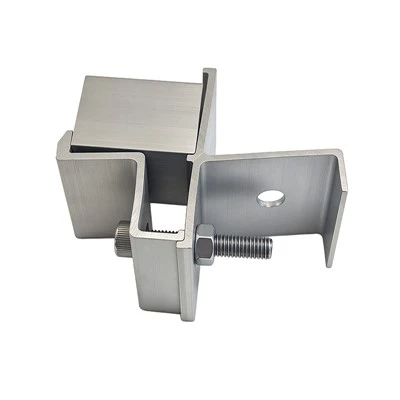
If you’re ready to explore a custom solution for your project, reach out to us to discuss your requirements. We’ll walk you through the alloy options, profile design, and strength calculations to make sure you get a part that’s exactly strong enough (and no stronger than needed) for your needs. Don’t waste time on off-the-shelf parts that don’t fit your application—let’s build a bespoke extrusion that delivers the strength, durability, and performance you need.
Bespoke Aluminium Extrusions References
- Davis, J.R. (Ed.). 2001. Aluminum and Aluminum Alloys. ASM International.
- ASTM International. 2020. Standard Test Methods for Tension Testing of Metallic Materials (E8/E8M-20a).
- Threadgill, P.L. 2009. Metallurgy of Aluminium Alloys. Woodhead Publishing.
- American Institute of Steel Construction. 2017. Steel Construction Manual, 15th ed.
Xiamen Xihong Aluminum Industry Co., Ltd.
As one of the most professional bespoke aluminium extrusions manufacturers and suppliers in China, we’re featured by quality products and good service. Please rest assured to wholesale bulk durable bespoke aluminium extrusions made in China here from our factory. Customized orders are welcome.
Address: Unit East-1, 1st Floor, Phase II Factory Building, No.43 Xingbei Road, Jimei District, Xiamen City, China
E-mail: zhenghaiying@xmxhly.com.cn
WebSite: https://www.xihongaluminum.com/
