If you’ve ever worked with metal components for construction, automotive parts, or consumer goods, chances are you’ve asked a question that comes up repeatedly in my line of work: Do aluminum extrusions rust? As someone who’s been an aluminum extrusions supplier for over a decade, I can’t count how many times this question has popped up—from new startup founders building their first product to seasoned engineers who’ve spent years working with steel. The short answer is no, aluminum extrusions don’t rust—but there’s a lot more nuance to that, and it’s worth breaking down why, what happens instead, and how to ensure your extrusions hold up to whatever environment you’re working in. Aluminum Extrusions
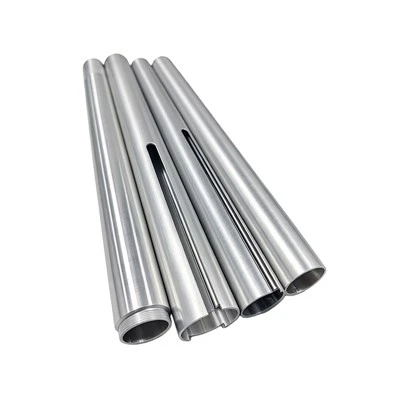
First, let’s get one basic definition out of the way: rust is a specific type of corrosion. It’s the red, flaky oxide that forms on iron and steel when they react with oxygen and moisture over time. Aluminum, on the other hand, doesn’t contain iron, so it can’t form rust. That’s a huge benefit of aluminum extrusions compared to steel, especially for projects where exposure to water, humidity, or outdoor elements is a concern. But that doesn’t mean aluminum doesn’t corrode at all. It just happens in a different way, and understanding that difference is key to choosing the right material for your application.
When aluminum is exposed to oxygen, whether it’s in the air, in water, or in soil, a natural reaction happens almost instantly. The outer layer of aluminum atoms bonds with oxygen molecules to form aluminum oxide. Unlike rust, which is porous and flaky, this aluminum oxide layer is thin—only a few nanometers thick, so you can’t see it with the naked eye once it’s fully formed. But it’s extremely durable and acts as a protective barrier. It prevents oxygen and moisture from reaching the aluminum underneath, so the corrosion process stops right there. That’s why aluminum is known for being corrosion-resistant, even in conditions that would make steel rust within months.
I’ve seen this play out countless times with the extrusions we supply. A few years back, we worked with a team building outdoor deck railings. The client initially considered steel because it’s cheaper upfront, but they were worried about rust streaking down their new home’s siding. We recommended 6061 aluminum extrusions—one of the most common alloys we work with—and walked them through why rust wasn’t a risk. A year later, they sent us photos of the railings, and they looked just as good as the day they were installed, no rust, no peeling, no streaks. That’s the kind of result that makes our work worth it.
But here’s where it gets a little tricky: that natural oxide layer isn’t invincible. There are several factors that can damage it, leading to what people often mistakenly call “rust” on aluminum extrusions. Let’s go through those, because they’re the things that actually cause problems, even if they’re not true rust.
First, galvanic corrosion. This happens when aluminum comes into direct contact with a metal that’s more reactive (or less reactive, depending on the setup) in the presence of an electrolyte—like salt water, rain, or even sweat. For example, if you fasten an aluminum extrusion to a steel bolt without any insulation between them, the two metals will react. The electrolyte creates a small electrical current that causes the aluminum to corrode faster than it would on its own, and you might see white, powdery deposits on the surface (that’s aluminum oxide, just from accelerated corrosion) where the two metals meet. I’ve had clients call us panicking because their custom aluminum bike frame had these white spots, only to realize they’d used steel screws during assembly. That’s an easy fix—just use fasteners made from aluminum, stainless steel, or another metal that’s compatible with aluminum, and insulate the two metals if necessary.
Second, exposure to extremely harsh chemicals. Aluminum’s natural oxide layer holds up well in most environments, but it can break down when exposed to strong acids, bases, or certain industrial chemicals. For example, if you’re working with aluminum extrusions for a chemical processing plant, or for a project that will be in contact with concrete (wet concrete has high pH levels), the oxide layer can react, leading to pitting corrosion—small, dark spots that eat away at the surface. That’s not rust, but it can weaken the extrusion over time. The good news is, there are easy solutions here too. We can supply aluminum alloys specifically formulated for high-alkali or chemical environments, like 5052 aluminum, which is more corrosion-resistant than 6061 in those conditions. Or, if the project calls for it, we can add a protective coating to the extrusions—like powder coating or anodizing—that adds an extra layer of defense against chemicals and moisture.
Third, surface damage. If you scratch or nick the aluminum extrusion’s surface, you can disrupt that natural oxide layer. But here’s the thing: unlike steel, which will start rusting from the scratch and spread, aluminum will form a new oxide layer almost immediately to seal the damage. That means small scratches aren’t a big deal for most applications. I always tell clients that unless the scratch is deep enough to expose the core aluminum for an extended period (which would only happen if the extrusion is in a very corrosive environment), there’s no need to panic. Of course, if you want a flawless finish, we can do a secondary finishing process like polishing or powder coating to cover surface imperfections after extrusion.
Now, let’s talk about a common misconception: some people see white, chalky deposits on aluminum and assume that’s rust. It’s not. That white stuff is just aluminum oxide that’s formed when the metal corroded, but since it’s a byproduct of aluminum’s natural corrosion process, it’s not the same as the rust you get on steel. In fact, that white patina is a sign that the aluminum is doing its job—it’s creating that protective layer to stop further corrosion. You can usually wipe it off with a gentle cleaner, or it will even weather away over time, depending on the environment. I’ve seen aluminum storefronts that have been in place for 20 years, and their patina gives them a soft, matte finish that many people actually prefer over a shiny, new look.
So, if aluminum extrusions don’t rust, why do some people still have problems with corrosion? It almost always comes down to two things: choosing the wrong alloy for the environment, or not taking simple steps to protect the extrusion’s surface. For example, if you use a soft 1000-series aluminum for a marine application, it will corrode faster than a 5000-series alloy. Or if you leave a finished extrusion sitting outside without a protective coating, or don’t insulate it from other metals during installation, you’re setting yourself up for issues. That’s where our expertise as an aluminum extrusions supplier comes in. We don’t just cut profiles to order—we help clients navigate these choices, so they get the right product for their specific needs.
Let me give another example. A few months ago, a small marine parts manufacturer came to us looking for extrusions to make boat deck fittings. They’d been using steel parts in the past, but rust was ruining their products and leading to returns. We recommended 5086 aluminum extrusions, which are designed for saltwater environments, and added a powder coating to make them even more durable. Now, their returns have dropped to almost zero, and they’ve been able to expand their product line because they know the parts will hold up in harsh marine conditions. That’s the kind of impact working with the right aluminum extrusions can have.
Another point to consider: aluminum extrusions are incredibly versatile, which is why they’re used in everything from construction and automotive to electronics and aerospace. Their corrosion resistance is one of the biggest reasons for that versatility, and it’s a key advantage over other metals. For projects where weight is a factor—like electric vehicles, where reducing weight extends battery life—aluminum is also lighter than steel, so using extrusions cuts both weight and maintenance costs because you don’t have to deal with rust and regular rust-prevention treatments.
If you’re still on the fence about whether aluminum extrusions are right for your project, here’s what I always advise: don’t just go with the lowest price. Ask your supplier about corrosion resistance, the right alloy for your environment, and finishing options. At our company, we test every batch of extrusions to make sure they meet industry standards for corrosion resistance, and we’re happy to share test results with any client. We also work closely with clients during the design phase, helping them adjust their extrusion profiles to be more resistant to corrosion, or recommending modifications to installation that will protect the metal over time.
To wrap this up: Do aluminum extrusions rust? No, they don’t. But they do corrode, and understanding that corrosion is a natural, protective process is the first step to getting the most out of your aluminum components. The key is choosing the right alloy, protecting the surface from damage during installation, and avoiding contact with incompatible metals without insulation. As someone who’s been supplying aluminum extrusions for years, I’ve seen firsthand how these simple steps can make a huge difference in the lifespan of a project.
If you’re planning a project, whether it’s a construction build, a new product design, or a custom fabrication, and you have questions about aluminum extrusions’ corrosion resistance, or you’re ready to get a quote for custom profiles, I’d love to hear from you. We have the experience and expertise to help you choose the right material and design the perfect extrusions for your needs, no matter what environment your project will be in.
Aluminum Profiles References
- Davis, J.R. (Ed.). (1993). Aluminum and Aluminum Alloys. ASM International.
- Jones, D.A. (1996). Principles and Prevention of Corrosion (2nd ed.). Prentice-Hall.
- American Society for Testing and Materials. (2020). Standard Test Methods for Corrosion of Aluminum and Aluminum Alloys (ASTM G67-20). ASTM International.
- Scully, J.R., Silverman, D.C., & Kendig, M.W. (2002). Corrosion of Aluminum and Its Alloys. NACE International.
Xiamen Xihong Aluminum Industry Co., Ltd.
As one of the most professional aluminum extrusions manufacturers and suppliers in China, we’re featured by quality products and good service. Please rest assured to wholesale bulk durable aluminum extrusions made in China here from our factory. Customized orders are welcome.
Address: Unit East-1, 1st Floor, Phase II Factory Building, No.43 Xingbei Road, Jimei District, Xiamen City, China
E-mail: zhenghaiying@xmxhly.com.cn
WebSite: https://www.xihongaluminum.com/
